



News
From Zero to 30,000 Layers in Tanzania — A Budget Breakdown
Source: TBBView: 178From Zero to 30,000 Layers in Tanzania — A Budget Breakdown
If you've been following East Africa's agribusiness scene, you already know that Tanzania's poultry sector is at a fascinating inflection point. Egg production in the country still sits below 2.5 billion eggs annually, and annual per capita consumption hovers around just 52 eggs — leaving a massive supply gap that commercial layer operations are perfectly positioned to fill. The question I hear most often from serious investors and first-time poultry entrepreneurs alike is refreshingly direct: what does it actually cost to build a 30,000-bird commercial layer farm in Tanzania from the ground up? This Tanzania poultry farm budget breakdown walks through the real numbers — not brochure estimates, but the kind of working figures that determine whether your commercial layer chicken investment pencils out.
▶ Equipment & Infrastructure: The Capital That Makes Production Possible
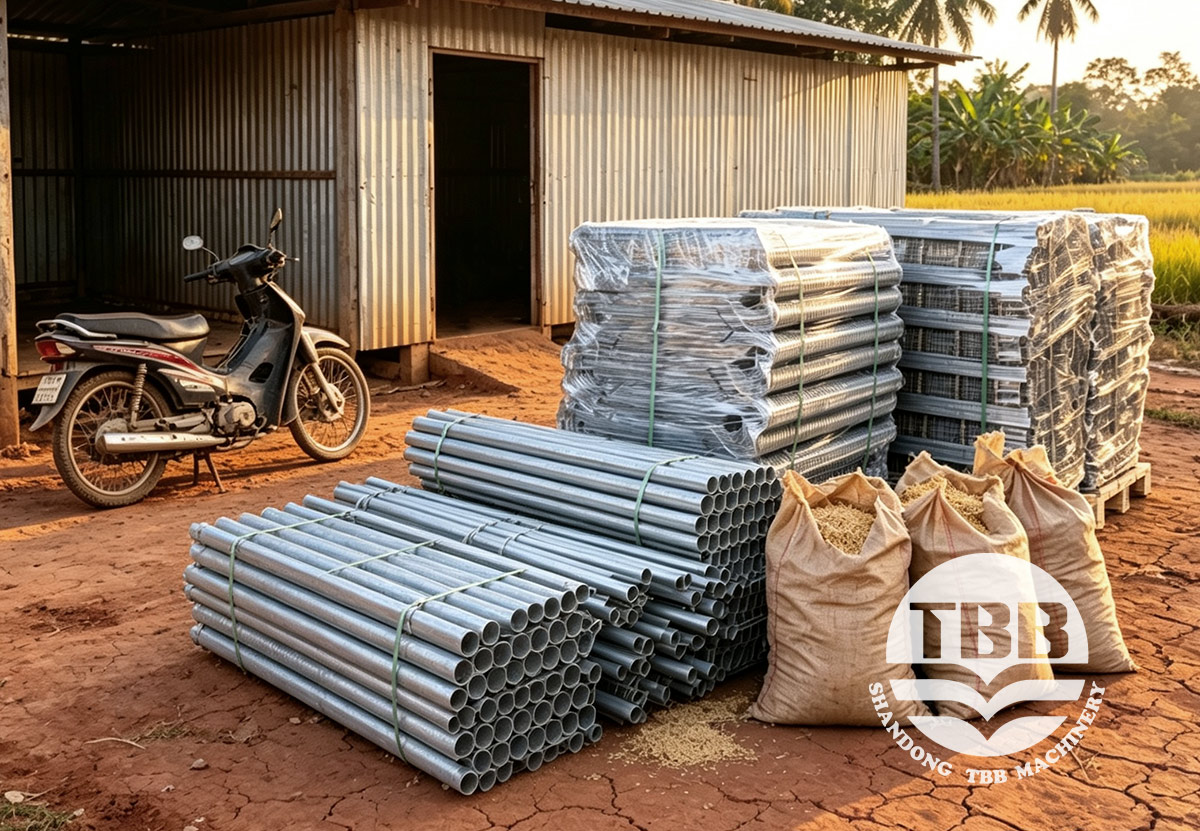
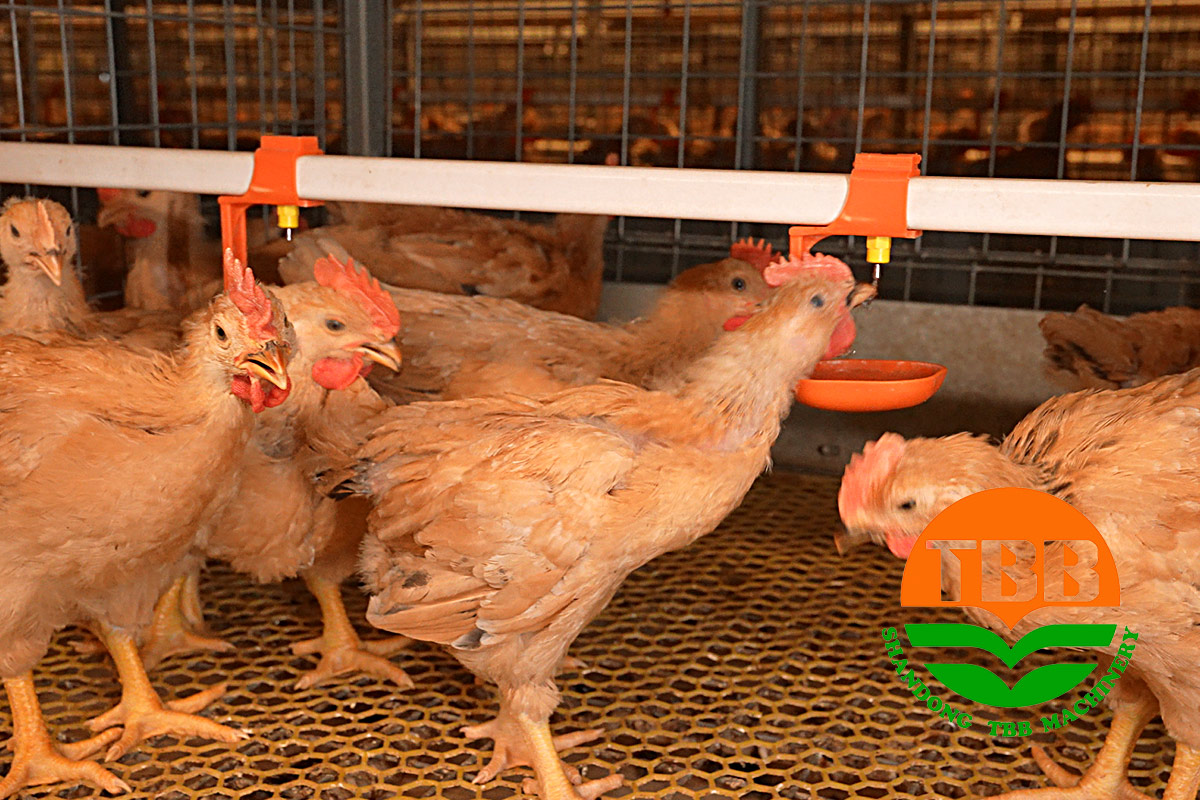
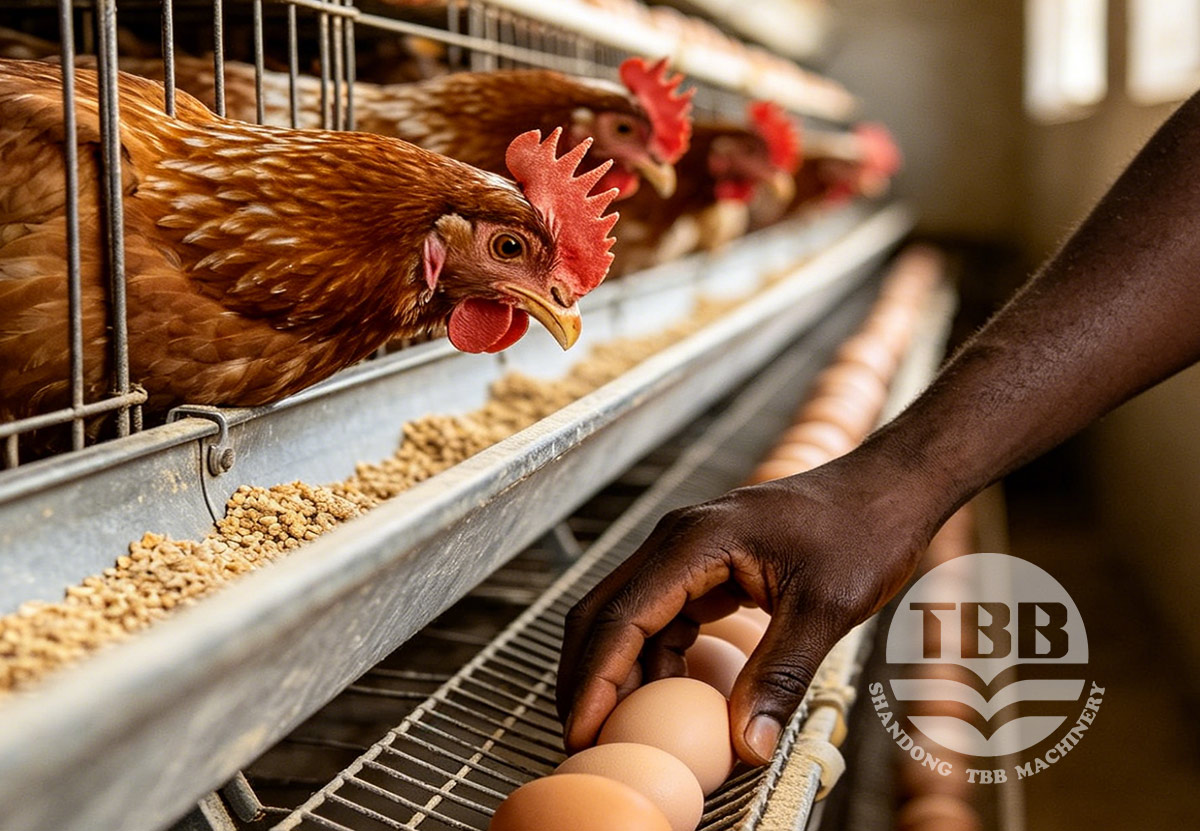
Let's start with the single largest line item: automated poultry equipment for large-scale egg production. For a 30,000-bird operation running H-type battery cages with integrated feeding, drinking, manure removal, and egg collection, you're looking at approximately $160,000 to $240,000 depending on the level of automation and the battery cage system price tier you select. A semi-automated setup can trim the upfront number, but the labor savings from a fully automatic layer cage system typically pay back the difference within three production cycles. This is the kind of equipment decision that separates a high-yield egg production business from a farm that merely keeps busy.
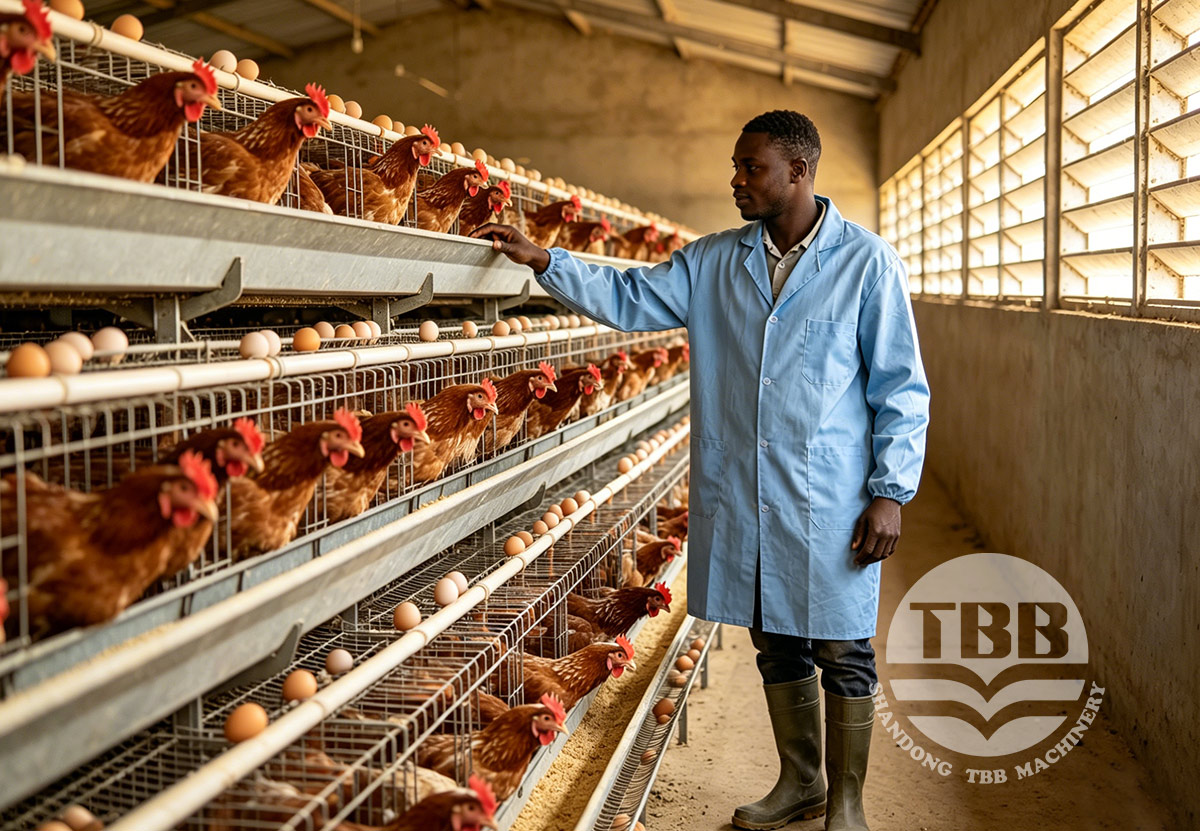
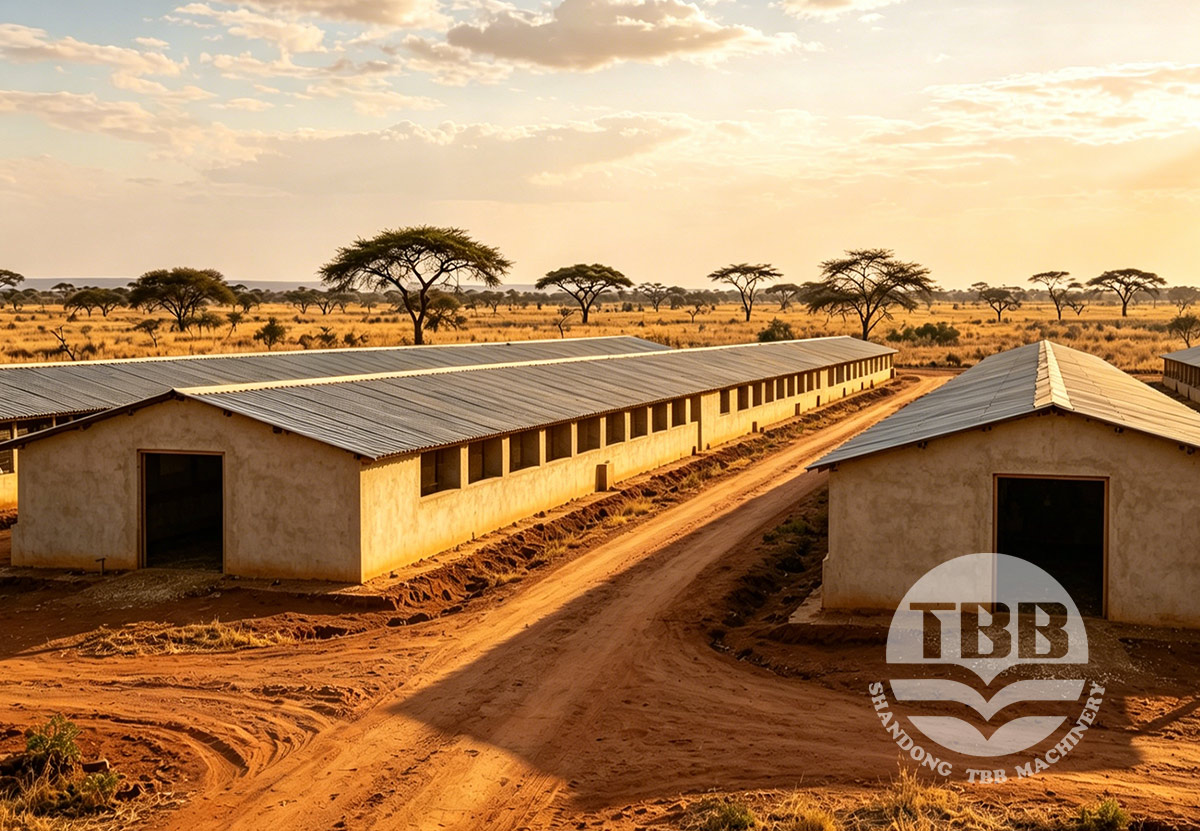
Infrastructure comes next. A climate-appropriate layer poultry house construction project — including a well-ventilated, open-sided structure, concrete flooring, and basic site preparation — generally runs between $50,000 and $100,000 for 30,000 birds. Add another $8,000 to $15,000 for a reliable backup generator and water storage system; power interruptions in Dar es Salaam and upcountry regions remain a genuine operational risk that too many budgets overlook.
▶ Recurring Costs: Where the Budget Either Holds or Falls Apart
The recurring costs are where most poultry farming profitability projections either hold together or fall apart. Feed represents roughly 54% to 70% of total production costs in Tanzanian layer operations. At current layer feed formulation costs, a flock of 30,000 birds at peak production will consume approximately $12,000 to $18,000 worth of feed per month. This figure fluctuates with maize and soybean meal prices — both commodities have seen notable volatility in East African markets over the past eighteen months, so building a 15% buffer into your egg production cost model is prudent rather than conservative.
Day-old chick procurement rounds out the major startup expense. Commercial layer chicks sourced from established Tanzanian hatcheries currently price around TZS 2,800 to TZS 3,500 per bird, putting your initial pullet purchase at roughly $35,000 to $44,000 for 30,000 birds once you factor in the 5% mortality buffer that experienced layers poultry farm management dictates. Add another $4,000 to $6,000 for the vaccination program, biosecurity supplies, and the first round of deworming. The investment in a commercial egg farming startup guide or consulting support at this stage often pays for itself within the first flock cycle — there is simply too much at stake to learn exclusively by trial and error.
▶ What the Returns Look Like — Real ROI Numbers
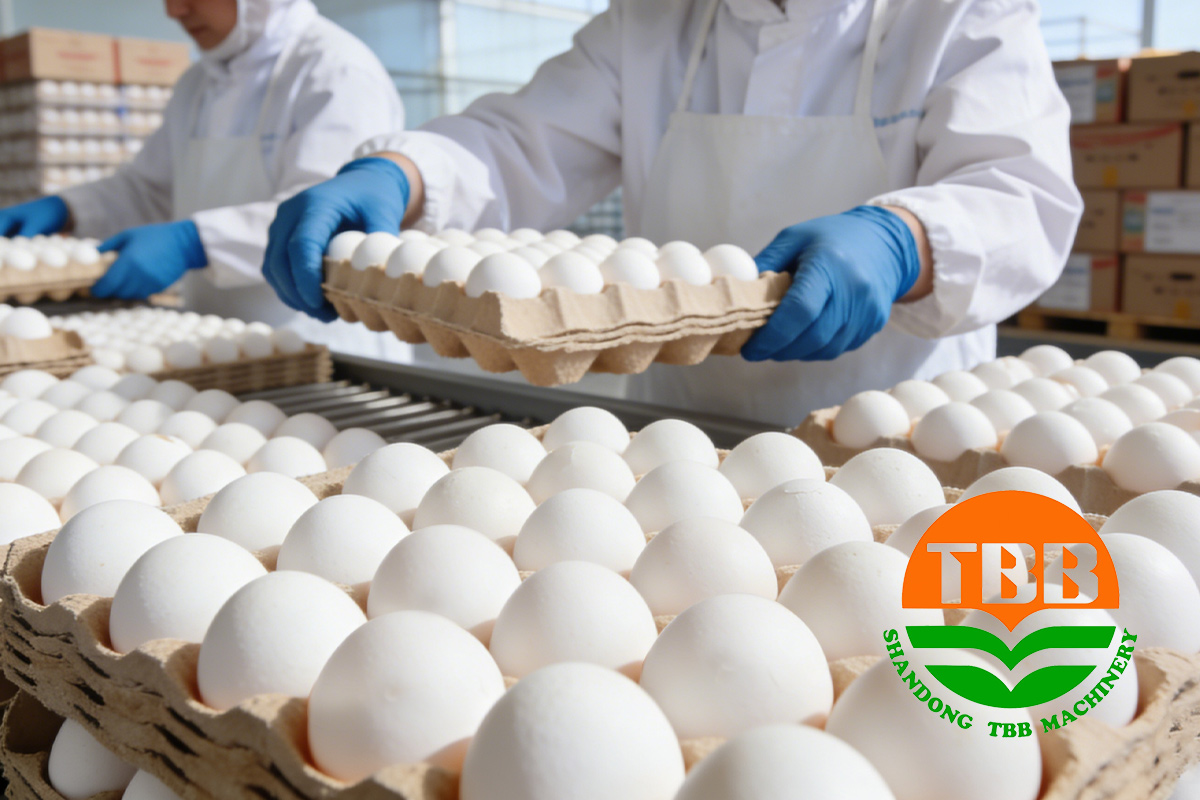
What about returns? Let's talk numbers that matter. At conservative egg production rate per layer hen estimates of 280 to 300 eggs per bird per year and local tray prices averaging TZS 12,000 to TZS 14,000, a well-managed 30,000-layer farm can realistically deliver broiler and layer farming ROI figures that sit comfortably above 30% annually once full production is reached. The demand fundamentals are sound: domestic supply still falls short of consumption, and the sector is drawing attention from international development partners and private investors alike.
I have spent years working with poultry entrepreneurs across East Africa, and the projects that succeed share one common thread — they treat the budget not as a one-time exercise but as a living document that guides procurement, feeding strategy, and expansion timing. Whether you are comparing modern layer cage system Tanzania suppliers or stress-testing your poultry farm operating expenses against different feed price scenarios, precision at the planning stage is what makes execution straightforward.
Ready to move from spreadsheet to shovel? Reach out to me directly today and I'll put together a personalized poultry farm cost calculator estimate for your specific site and production targets. For a limited time, new inquiries also receive our most competitive pricing of the year on equipment packages and turnkey project consultation. Let's build something profitable together.
➡ Email us: haven@tobetterm.com | ➡ WhatsApp: +8617616553000 | ➡ Visit: www.tobetterm.com