



News
Broiler Cage Feeding Guide: Optimize Growth with Proper Space
Source: TBBView: 118Broiler Cage Feeding Guide: Optimize Growth with Proper Space
Getting broiler production right starts long before the chicks arrive. It starts with knowing exactly how much room those birds need through every stage of the grow-out cycle — and understanding what goes wrong when the numbers are off.
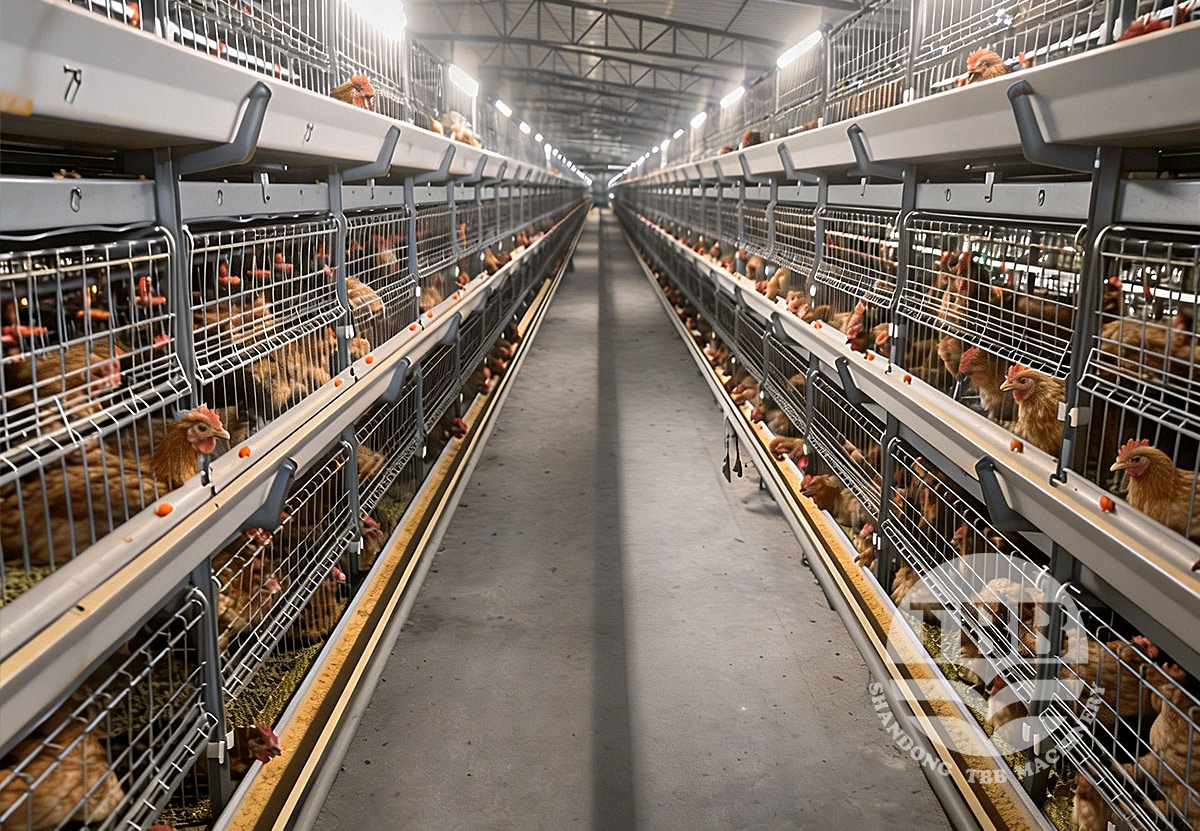
Space is not just floor area. It is feeder space, drinking space, and the air volume around every bird in the cage. These details decide whether a flock hits target weight on schedule or drags out another two weeks, burning feed and labor with nothing to show.
Below is a practical synthesis of industry guidelines and field experience on what a proper broiler cage feeding setup requires.
▶ Why Space Management Matters in Cage-Raised Broilers
Broilers grow fast, eat hard, and produce considerable metabolic heat. When birds are packed too tightly, feed conversion suffers first. Those unable to reach the trough comfortably spend more energy competing for position than building breast muscle — a direct loss in efficiency.
Controlled studies on caged broiler performance consistently show that stocking density affects daily gain and feed intake. The Ross 308 Management Guide (Aviagen, 2023) notes that exceeding 38–40 kg of live weight per square meter in the finishing phase can lead to reduced uniformity and higher leg issues. In warm-climate cage systems, this often translates to a ceiling of 15–18 birds per square meter during the final two weeks, depending on ventilation capacity and target market weight. Going much higher risks heat stress and mortality; going substantially lower wastes cage capacity.
▶ Practical Stocking Density Guidelines for Cage Systems
Cage-raised broilers follow different rules than floor-raised birds. Multi-tier systems offer better vertical airflow and manure separation, which can support marginally higher densities than deep-litter setups — provided the ventilation system is designed for the heat load.
For most warm-region operations, plan for 15 to 18 birds per square meter in the last 14 days. In a typical cage tier measuring 1.2 m × 0.9 m, that works out to 18–20 birds. Exceeding 22 birds per cage, especially during humid seasons, routinely leads to uneven weights and mortality spikes.
A commonly overlooked factor: multi-tier systems create microclimates. Top tiers tend to be cooler with better air movement; bottom tiers can trap heat and ammonia. Research trials in Southeast Asia have documented weight differences of up to 200 g per bird between top and bottom tiers when density was uniform. Adjusting stocking rate by tier — slightly lower on bottom decks — can improve whole-house uniformity.
▶ Feeding Space: The Hidden Bottleneck
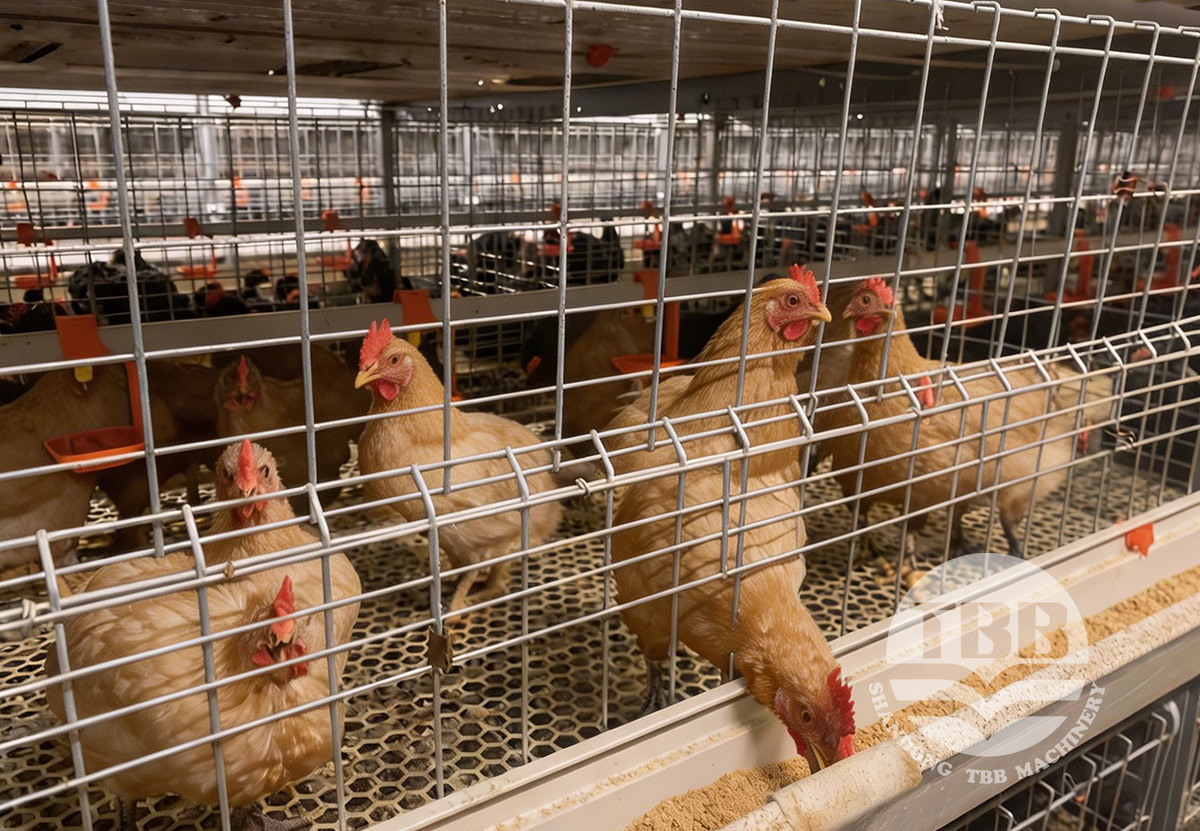
Many farms calculate floor space carefully but neglect feeder space per bird. Industry recommendations (Cobb-Vantress, 2023) suggest 5–7 cm of trough or pan perimeter per broiler from week three onward. If automatic feeding equipment is used, pan diameter and feed drop rate must match bird numbers on that tier. Insufficient feeding space forces competition, which directly widens body weight variation — a costly problem at processing.
In multi-tier cages, feed distribution across levels deserves regular checking. Bottom tiers sometimes receive less feed due to drag in delivery systems, a fault that can show up as a significant weight gap at harvest.
A reliable field check: observe birds immediately after feed delivery. If a crowd pushes around every pan, feeding points are likely insufficient. The solution may be adding pans or adjusting automated feed intervals.
▶ Water Access and Nipple Height Management
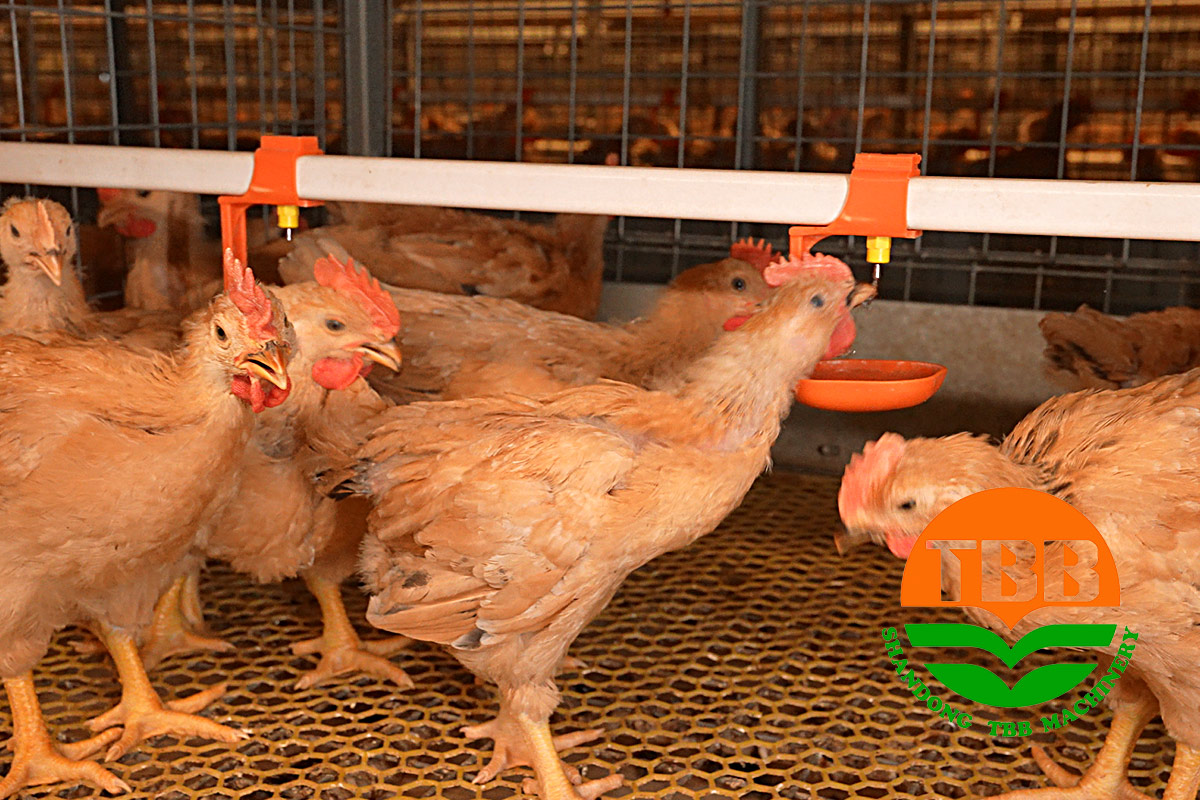
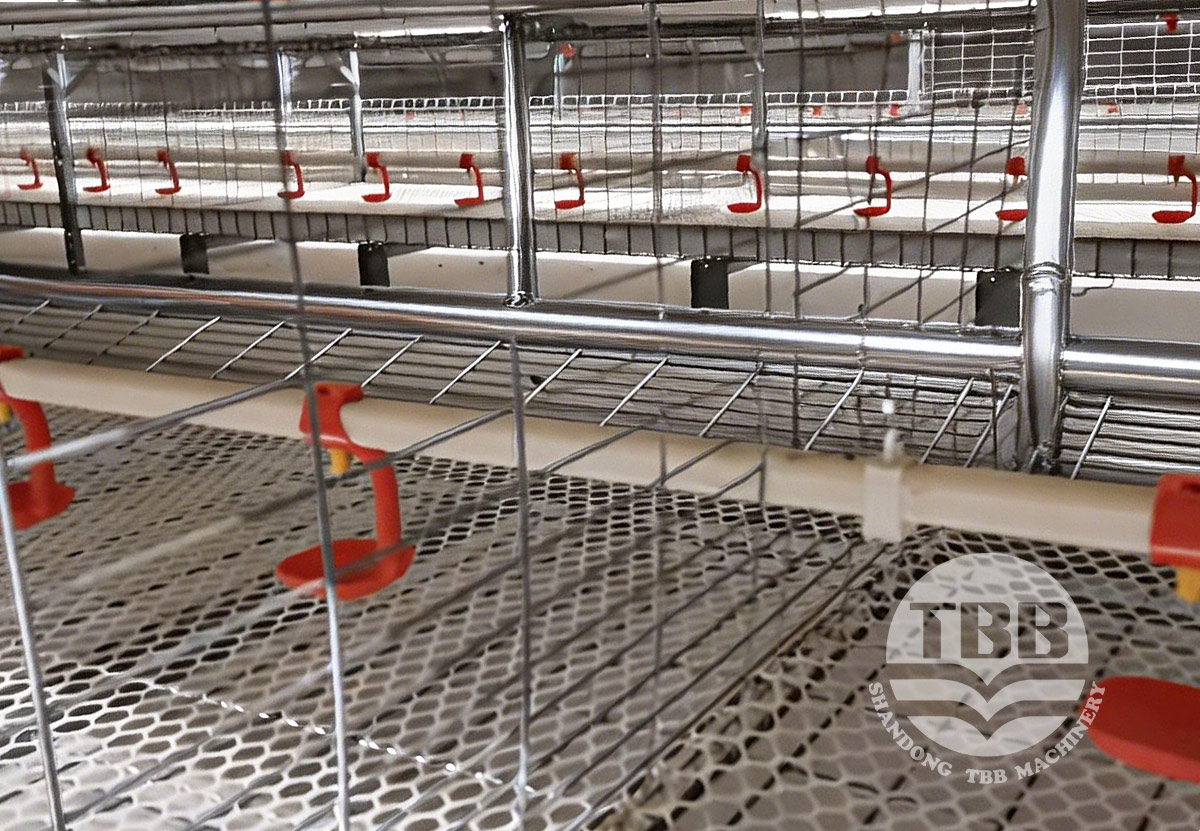
A broiler drinks roughly twice its weight in feed, and more in hot weather. Nipple drinker height must be raised weekly: start at chick eye level and lift as birds grow. Too low, and water spills wetting the floor; too high, younger birds struggle to reach. One nipple per 10–12 birds is the typical standard, but in ambient temperatures above 30°C, adding extra drinker cups per tier reduces the risk of dehydration during heat peaks.
Water line pressure needs monitoring in long cage rows. The far end often receives lower flow. Pressure regulators or flow-adjustable nipples can correct this, but only if checked regularly.
▶ Ventilation Changes the Space Calculation
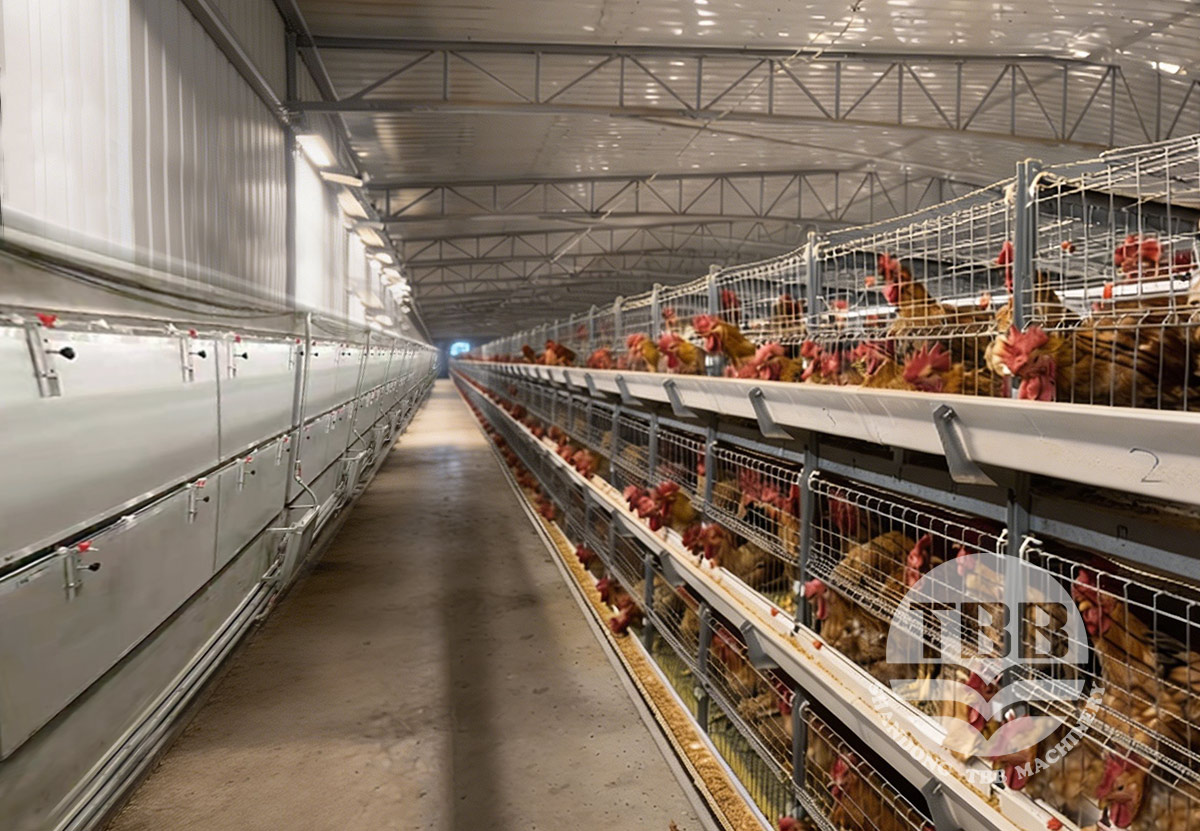
Even when stocking density, feed, and water are correct, poor air quality can ruin a batch. Cages act as windbreaks — air moves differently through stacked tiers than across an open floor. Tunnel ventilation or a properly designed negative-pressure system is essential to pull hot, humid air from between the rows. A target air speed of 2–3 m/s over the birds is commonly recommended for heat removal in tunnel-ventilated houses.
Operations that invest in sound ventilation design frequently see 3–5 points improvement in feed conversion compared to those relying on natural airflow alone. Temperature also affects perceived space: at 30°C, broilers spread out to cool themselves. A density that works at 22°C can cause crowding stress on hot days even if the floor area calculation looks fine on paper.
▶ Feeding Program Adjustments for Cage Environments
Caged broilers move less than floor-reared birds, so their maintenance energy requirement is slightly lower. In practice, this means the diet metabolizable energy can often be reduced by 50–80 kcal/kg compared to standard floor-bird formulas, while maintaining or slightly increasing digestible amino acid levels to support lean gain. However, this adjustment must be made under the guidance of a nutritionist and verified by actual feed intake and performance data; improper changes risk energy deficiency or inefficient protein use.
Splitting the grower and finisher phases into three stages instead of two can provide finer control in cage systems. Caged broilers also tend to eat in shorter, more frequent bouts. Troughs should not sit empty during daylight hours — even a two-hour afternoon gap can reduce daily gain by 30–50 g. Timer-controlled automated feeding systems help prevent this.
▶ Equipment Quality Considerations
Cage durability and design directly affect bird welfare and operational cost. Galvanized wire with adequate zinc coating (typically 275 g/m² or higher) resists ammonia corrosion better and extends cage life. Floor wire gauge of at least 2.5 mm helps prevent bending and leg injuries; mesh openings should be small enough to avoid foot entrapment yet large enough for manure to pass through.
Door design matters for catch efficiency and bird stress. Smooth-operating sliding or swing-out doors can significantly reduce loading time and struggle. When sourcing cages, ask about manufacturing standards and third-party certifications (such as ISO 9001) as indicators of consistent quality. A supplier's track record in real farm conditions is more meaningful than catalog specifications.
Final Note
The space, feed, and water guidelines offered here provide a starting point. All numbers should be adjusted based on your specific genetics, climate, cage dimensions, and ventilation capacity. Weigh a sample of birds weekly, monitor uniformity, and be ready to tweak density, feeder allocation, and ventilation settings accordingly. Consistent attention to these four areas — space, feed, water, air — will yield measurable improvements in flock performance.
Ready to Upgrade Your Broiler Cages?
Contact Tobetter today for a free broiler house layout consultation.
Mention this guide and get our most competitive pricing for 2026.
No obligations — just honest advice from people who know poultry.
☎️ +8617616553000