



News
7 Costly Mistakes First-Time Poultry Farmers Make in Ghana
Source: TBBView: 1197 Costly Mistakes First-Time Poultry Farmers Make in Ghana
Just last month, I received a desperate phone call from Kwame, a determined young man farming near Koforidua. He was nearly in tears. He had started a layer operation with 500 birds six months earlier, and now fewer than 200 remained. A few days later, I visited his farm and the picture was painfully clear: his birds were under-vaccinated, his feed contained visibly mouldy maize, and he had never once calculated his true production cost per crate. Kwame had done what countless first-time poultry farmers in Ghana do—he worked incredibly hard but skipped the foundational steps that turn passion into profit. If you are about to start your own poultry venture, avoiding these seven blunders will save you far more than money.
▶ 1. Skipping a Proper Poultry Farm Feasibility Study
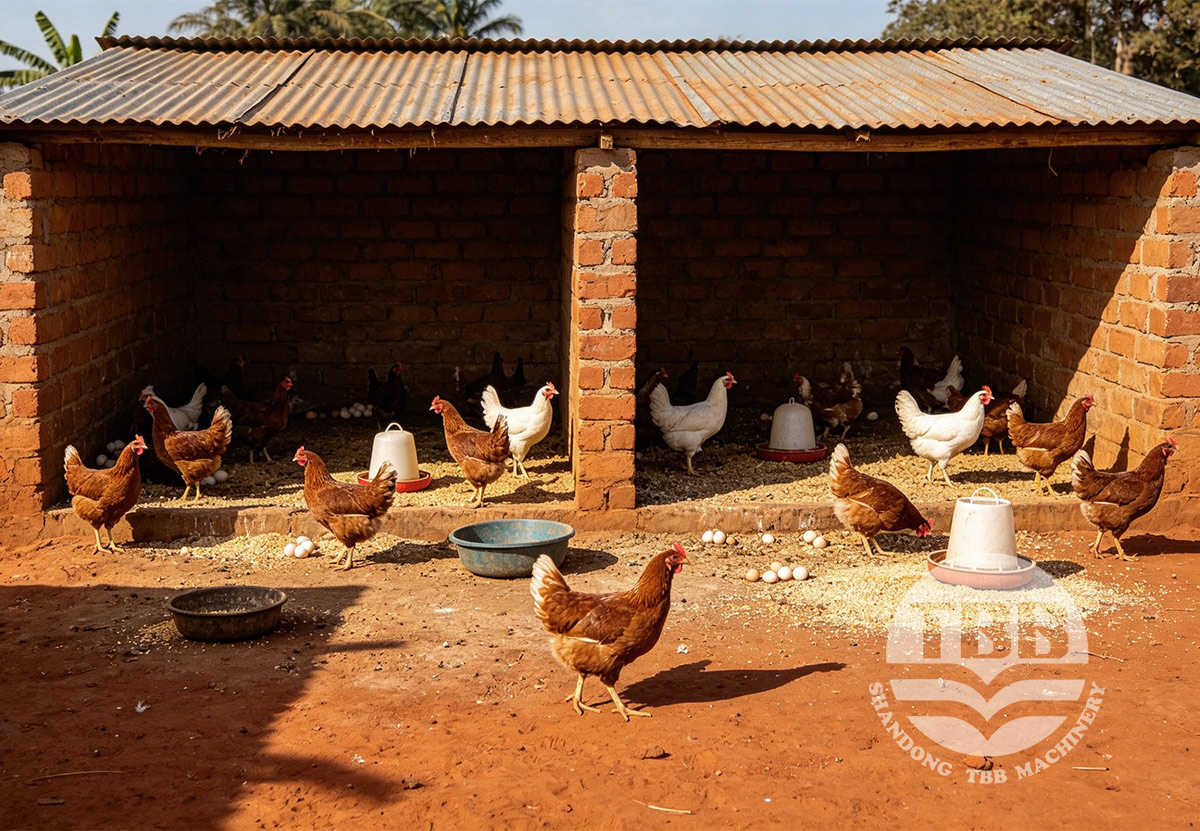
Too many beginners dive in after seeing a neighbour succeed, without ever running the numbers for their own location. A practical poultry farm feasibility study in Ghana forces you to nail down the real cost of starting a poultry farm in Ghana for your specific setup—including land preparation, day-old chick prices in your region, and the current cost of layers mash or broiler feed. It also forces you to identify your exact buyers before you produce a single egg. Guesswork here is the fastest route to failure.
▶ 2. Picking the Wrong Chicken Breeds for Your Goals
I often hear, “I just want birds that grow.” But the question you must answer is whether your local market pays a premium for brown eggs, large broilers, or hardy local varieties. Many new farmers fail to research the best chicken breeds for beginners in Ghana, comparing traits like heat tolerance, feed conversion, and market demand. If you are raising birds for hotels in Accra, you need consistency. If you sell in a peri-urban community, dual-purpose breeds might serve you better. Match breed to market, not just to price.
▶ 3. Assuming You Cannot Access Poultry Farming Loans or Grants
A surprising number of first-timers use only personal savings, struggling through cash flow gaps that could be softened with working capital. There are poultry farming loans in Ghana offered by rural banks and microfinance institutions specifically designed for agribusiness. Some districts also run government grants for poultry farmers in Ghana targeting youth and women. You still need a solid business plan and records to qualify, but ignoring these funding channels leaves you unnecessarily vulnerable when feed prices spike.
▶ 4. Treating Sick Birds Instead of Preventing Illness
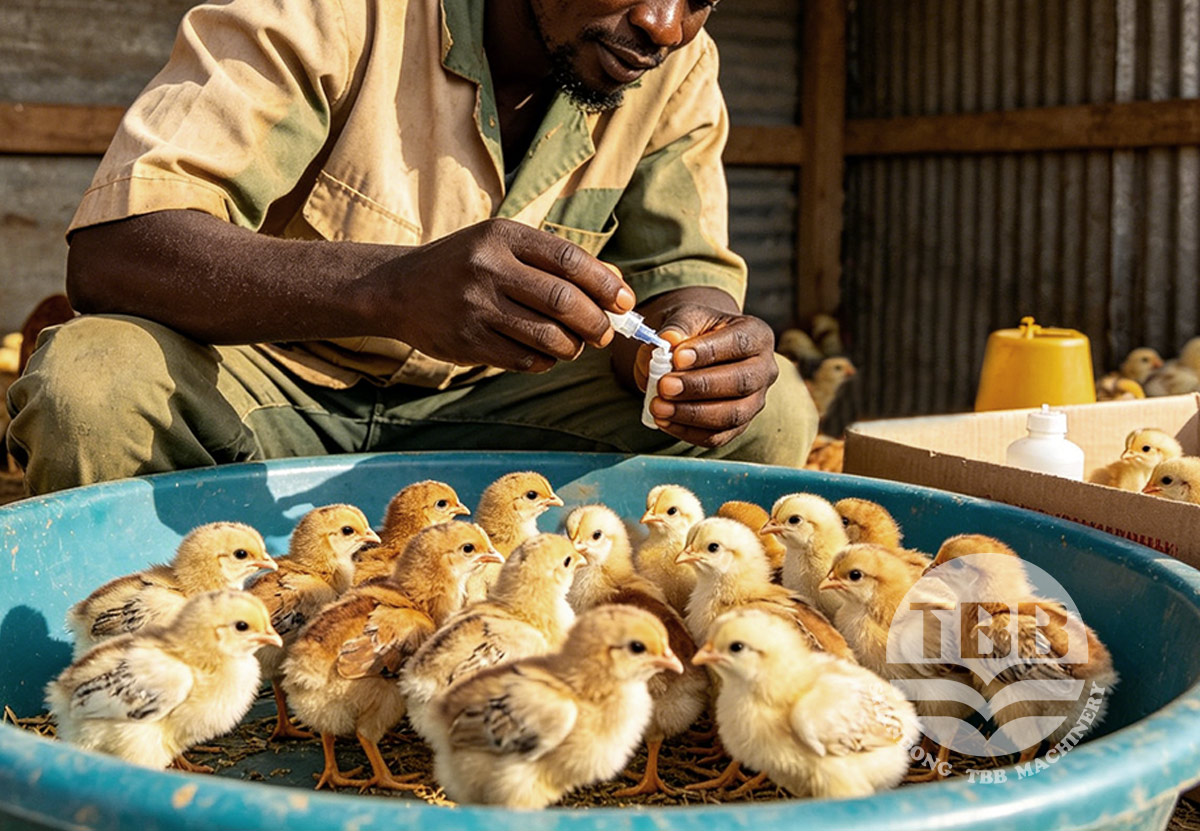
By the time your birds look dull and huddled, the disease has already won. Common poultry diseases in Ghana and treatment costs eat up profit margins that prevention would have protected. Newcastle disease, coccidiosis, and fowl pox are entirely manageable with a strict, localised vaccination schedule. Print a simple poultry vaccination chart for Ghana, stick it on your feed room wall, and follow it without compromise. A missed booster shot has cost farmers their entire flock more times than I can count.
▶ 5. Feeding Cheap, Untested Rations
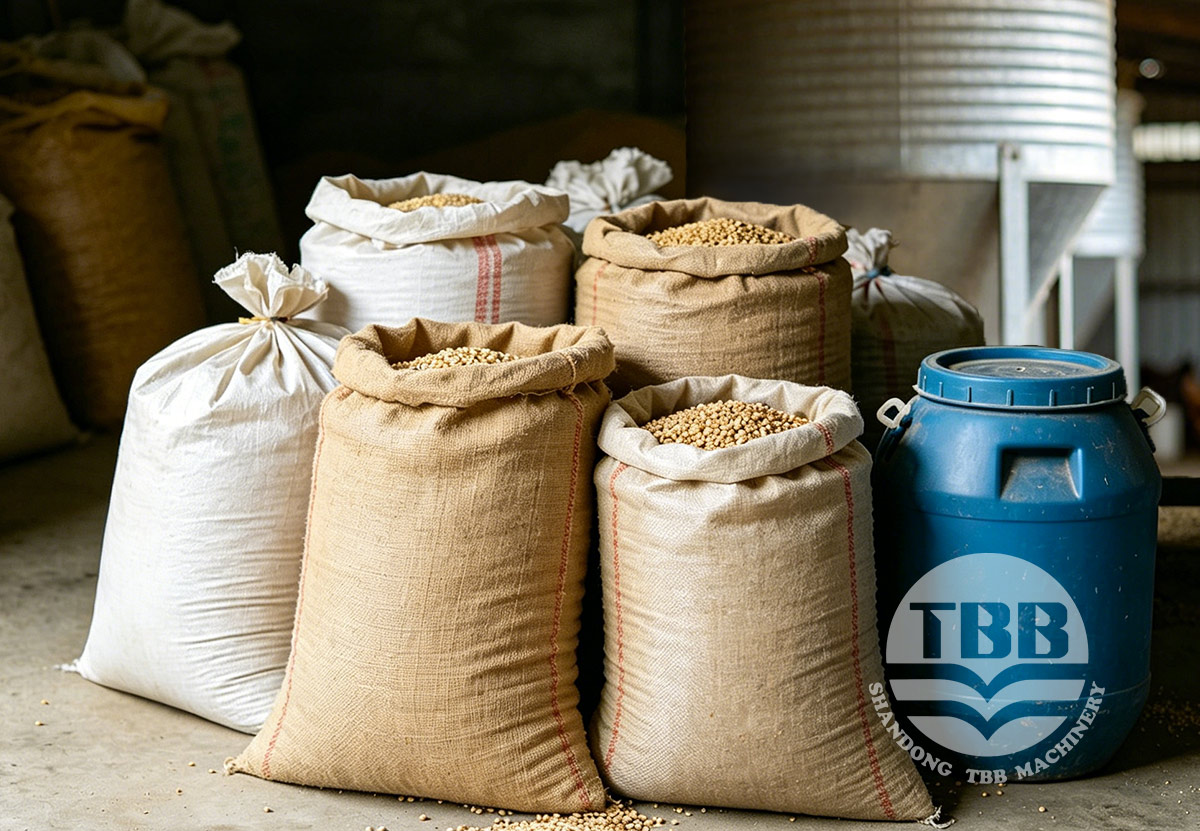
When maize hits GHS 6 per kilo, the temptation to throw together any available grain becomes overwhelming. But untested homemade rations can destroy your flock through nutrient deficiencies or hidden aflatoxin poisoning. Following a proper broiler feed formulation guide in Ghana or a layers ration table helps you understand safe substitution limits. More importantly, buy from trusted poultry feed suppliers in Ghana who test for mould and toxins, especially during the rainy season when contamination peaks.
▶ 6. Overlooking Waste Management and Biosecurity Basics
A foul-smelling poultry house is a signal of profit walking out the door. Poultry farm waste management in Ghana is not about expensive equipment; it is about consistent daily removal of litter, proper composting, and ensuring drainage channels work. When ammonia builds up, respiratory issues follow. Combine this with weak biosecurity—shared equipment between pens, no footbath discipline—and you are inviting a catastrophic outbreak. These simple routines keep mortality low and neighbours happy.
▶ 7. Flying Blind Without Daily Farm Records
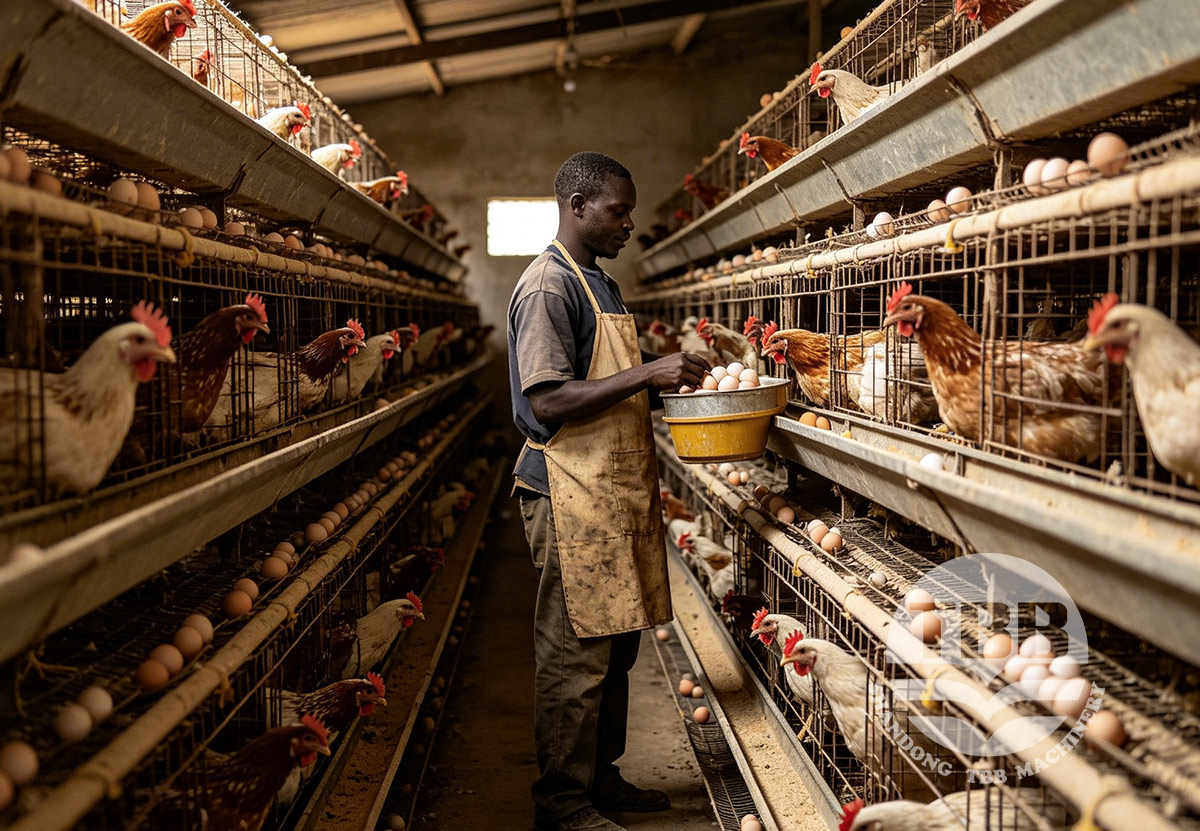
You cannot improve what you do not track. Yet so many small farms operate entirely from memory. Simple poultry farm record keeping templates in Ghana, even a basic exercise book, let you log feed intake, mortality, egg collection, and treatment costs. When you know how to calculate profit in poultry farming in Ghana accurately, you stop guessing and start making informed decisions—when to sell spent layers, when to restock broilers, and how to negotiate with buyers.
Each of these mistakes is preventable. The difference between a farm that collapses in the first year and one that feeds your family for a decade rarely comes down to luck. It comes down to preparation, guidance, and the willingness to treat your birds as a business from day one.
If any part of Kwame's story feels uncomfortably familiar, do not wait until you are counting losses. I offer one-on-one poultry farm setup and management guidance specifically for first-time farmers here in Ghana. For a short window, I am making available my absolute lowest consultation fee of the year. Mention this article when you reach out, and I will help you build a practical plan that fits your budget and avoids every costly mistake outlined above. Send me a message now—this annual offer closes without extension.