



News
Water Line Management for Layer Hens: The Overlooked Profit Driver
Source: TBBView: 92Water Line Management for Layer Hens: The Overlooked Profit Driver
Every poultry producer knows feed costs dominate the balance sheet. But ask a seasoned layer farm manager what keeps them up at night, and you will hear something different: water. Not just any water — the water traveling through kilometers of enclosed pipe, past hundreds of nipple drinkers, into the beaks of birds that depend on it for every egg they lay.
Water line management for layer hens has quietly become one of the most consequential disciplines in commercial egg production. Get it right, and flock uniformity tightens, eggshell quality firms up, and mortality drops. Get it wrong, and the consequences cascade through the entire cycle — often in ways producers do not notice until the damage is done. A single leaking nipple drinker can waste 2 to 3 liters per day, enough to soak manure belts, spike ammonia, and damage respiratory tissues across an entire tier.
Why Your Water Lines Deserve a Second Look
Layer hens consume roughly twice as much water as feed by weight. During peak production, a single hen can drink 300 to 500 milliliters per day depending on ambient temperature and diet formulation. Yet the water delivery infrastructure on many farms receives only a fraction of the attention paid to feed systems. That imbalance costs money.
The core challenge is not the source water. It is the enclosed drinking lines, pressure regulators, and nipple drinkers sitting between the supply and the bird. Inside those pipes, three things happen that quietly erode layer performance: biofilm formation, mineral scale accumulation, and inconsistent water pressure at the drinker. Individually, each is manageable. Together, they represent one of the highest-ROI improvement opportunities on any layer farm.
The Biofilm Blind Spot
Biofilm begins the moment bacteria in the water attach to the inner wall of a PVC or iron pipe. They excrete a sticky matrix of sugars and proteins that traps more bacteria, organic debris, and mineral particles. Within days, a slime layer forms that is invisible from the outside but biologically active enough to harbor E. coli, Salmonella, and Pseudomonas. Research in BMC Microbiology found that nearly two-thirds of drinking lines in poultry facilities tested positive for biofilm contamination.
What makes biofilm especially dangerous in layer houses is its resilience. Once established, it becomes nearly impossible to eliminate with on-bird water sanitizers alone. Worse, biofilm dramatically reduces the effectiveness of water-delivered medications, vitamins, and vaccines — treatments producers pay for but birds may never receive at full potency.
The fix is straightforward but requires discipline. Between flocks, flush lines with a strong mineral acid followed by an oxidizing sanitizer — stabilized hydrogen peroxide or a peroxide-peracetic acid blend works well. During production, maintain continuous low-level sanitation using chlorine dioxide or acidified chlorine. One field tip: always flush promptly after cleaning. Detached biofilm fragments can gel and create blockages if left sitting in the pipes.
Pressure, Flow Rate, and the Drinker Itself
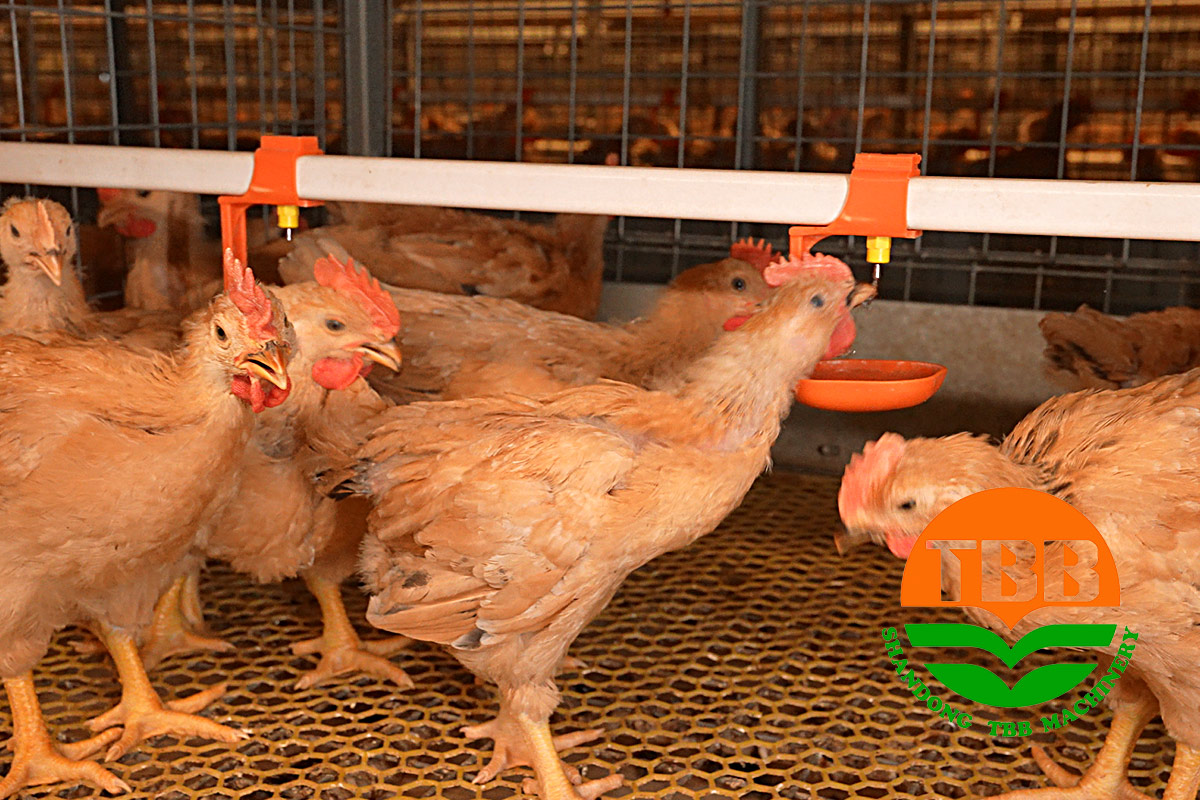
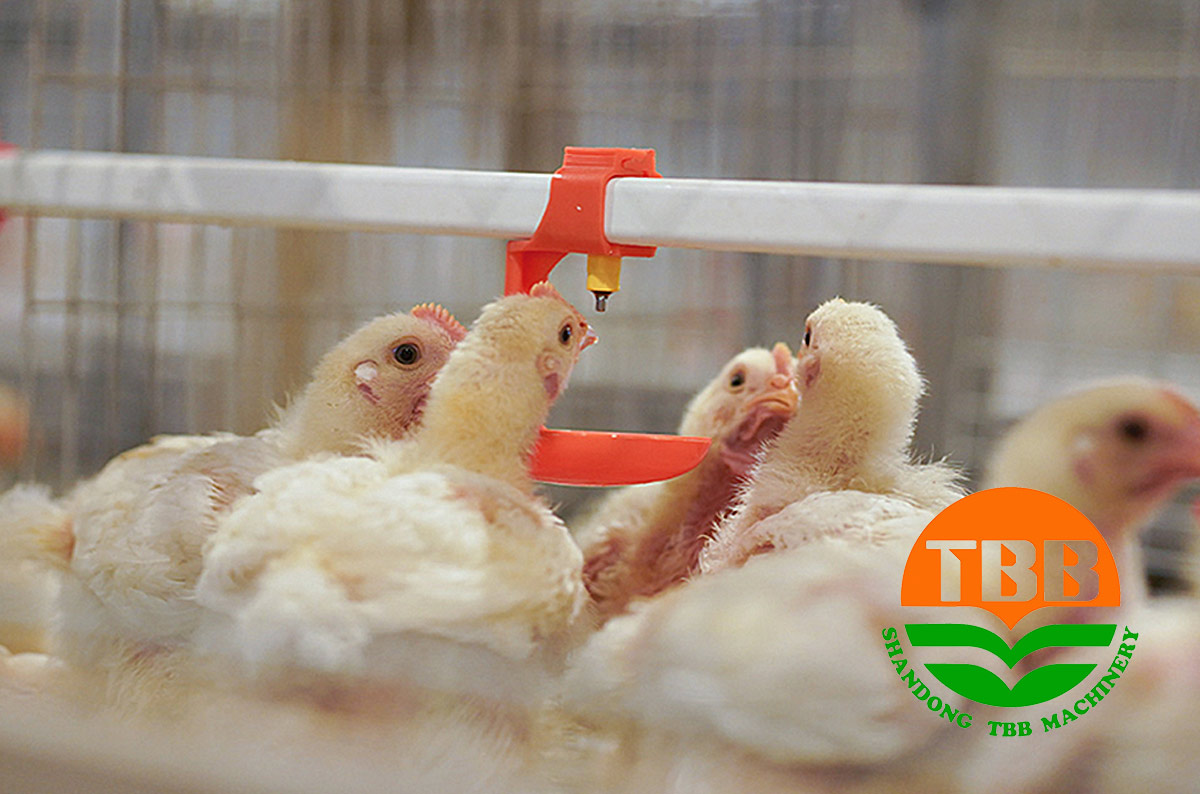
Even clean water lines cannot deliver results if the pressure at the nipple is wrong. Layer chicks need low pressure to trigger the valve without excessive spillage. Mature hens during peak production require higher flow rates to meet elevated demand. The industry benchmark sits at 60 to 80 milliliters per minute at the nipple for adult layers, with one nipple serving no more than 8 to 12 birds.
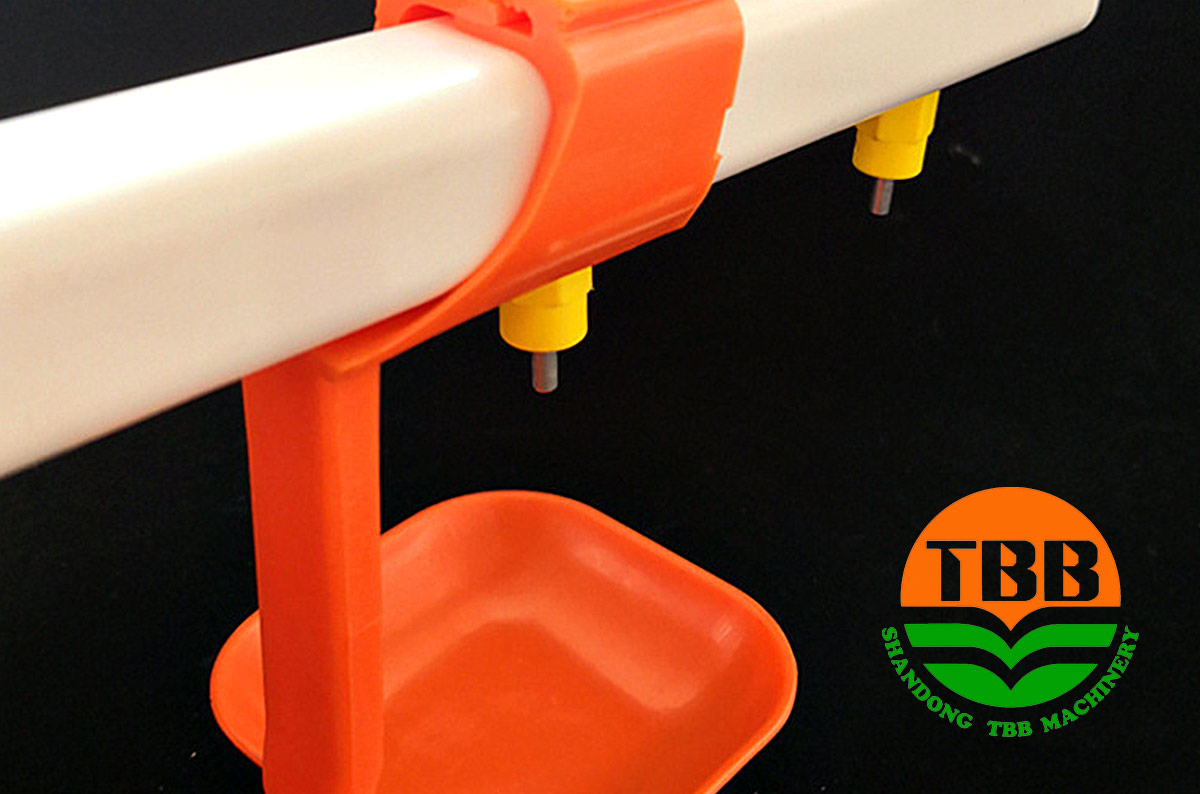
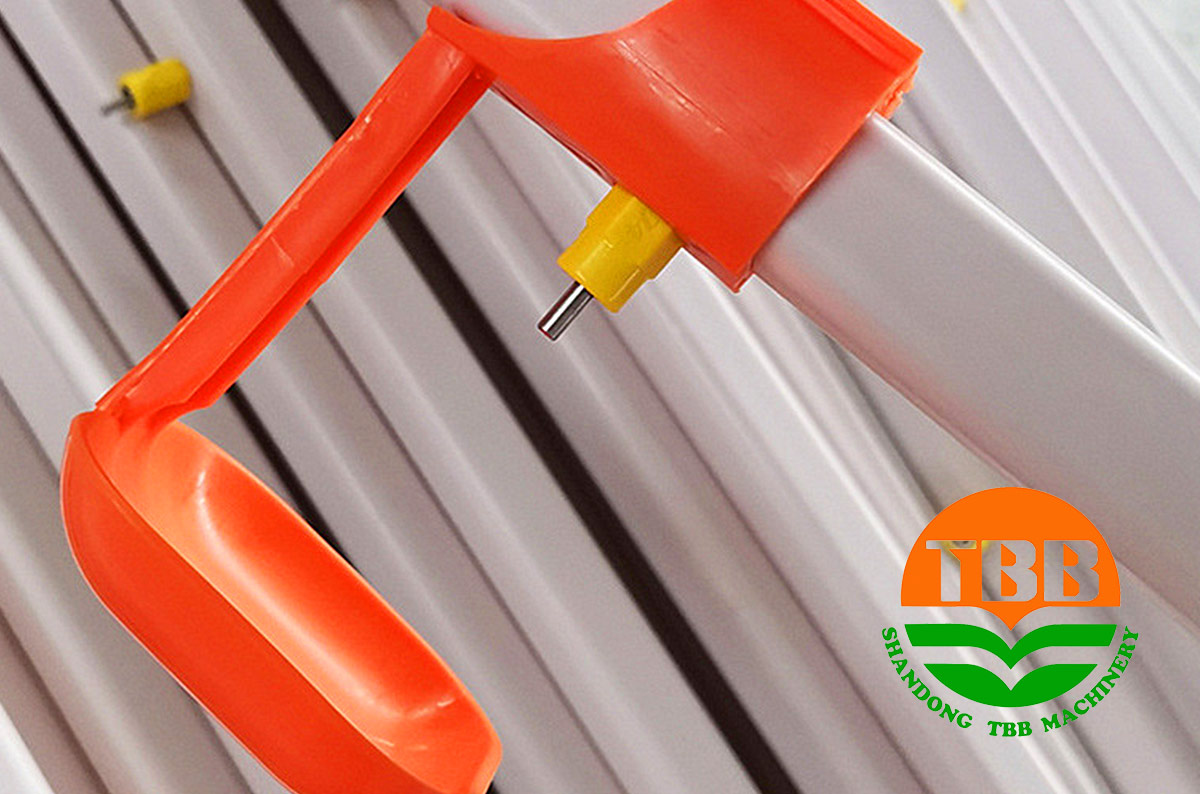
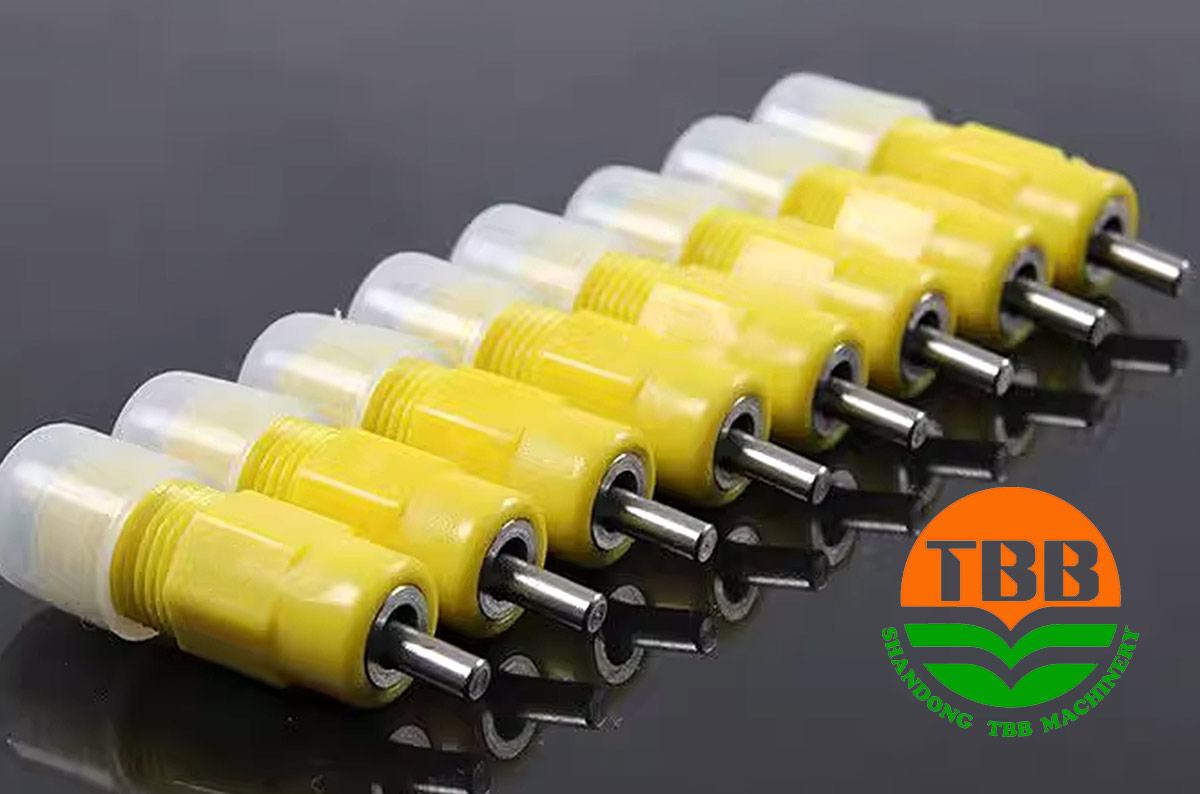
This is where the choice of drinker hardware matters more than most producers realize. Tobetter's nipple drinking systems use adjustable pressure regulators and a 360-degree trigger pin that accommodates both chicks and mature hens — eliminating the need for separate drinker lines during grow-out. The stainless steel valve core resists mineral buildup, which means fewer leaking nipples and more consistent flow across the entire line length.
Water line height also matters. Drinkers positioned too low force birds to stoop, reducing intake. Too high, and subordinate hens may not reach them at all. A properly adjusted line encourages hens to stretch slightly to access the nipple, promoting natural drinking behavior and even distribution across the flock.
Water Consumption as a Flock Health Dashboard
Smart producers treat daily water consumption data the way an ICU treats a heart monitor. A sudden drop in intake frequently signals a health event — sometimes 24 to 48 hours before feed intake declines or mortality rises. An unexplained spike can point to leaks, pressure drift, or heat stress. Farms that installed water meters on individual house lines and recorded consumption at the same time each day report catching everything from pressure regulator failures to subclinical disease challenges days earlier than they otherwise would have.
The Bottom Line
Water line management is not glamorous, but neither are most things that make money in agriculture. A clean, well-maintained drinking system with consistent pressure and flow directly supports egg production rate, shell thickness, and flock longevity. Producers who invest in a structured program — regular testing, scheduled flushing, between-flock deep cleaning, and daily consumption monitoring — consistently report fewer health interventions, lower medication costs, and more uniform flocks. The return arrives not in a single dramatic moment but across the full production cycle, egg by egg.
Not Sure If Your Current Water System Is Costing You Eggs?
Send us your water line specs and flock data. Our engineers will run a free pressure-flow audit and show you exactly where your system is leaking profit — and what to fix first. Whether you need a complete nipple drinking system upgrade for an existing house or a full automated layer cage system with integrated water lines, we build it from our own factory floor — hot-dip galvanized steel, adjustable regulators, and every nipple tested before shipment.
Mention this article when you reach out, and lock in this year’s best pricing on water line management solutions and complete poultry housing equipment.
✉️ Email:haven@tobetterm.com