



News
Can You Start a Poultry Farm in Nigeria With ₦500,000?
Source: TBBView: 70Can You Start a Poultry Farm in Nigeria With ₦500,000?
If you have been asking yourself whether a poultry farm in Nigeria is genuinely possible on a ₦500,000 budget, you are not alone. Thousands of aspiring agripreneurs in Lagos, Ibadan, and Kano punch that exact figure into their calculators every month. The short answer is yes. But the smarter question is: what kind of operation does that get you, and where does the money actually go? Let’s walk through it with real numbers from the 2026 market — because generic advice is the fastest way to burn through half a million naira.
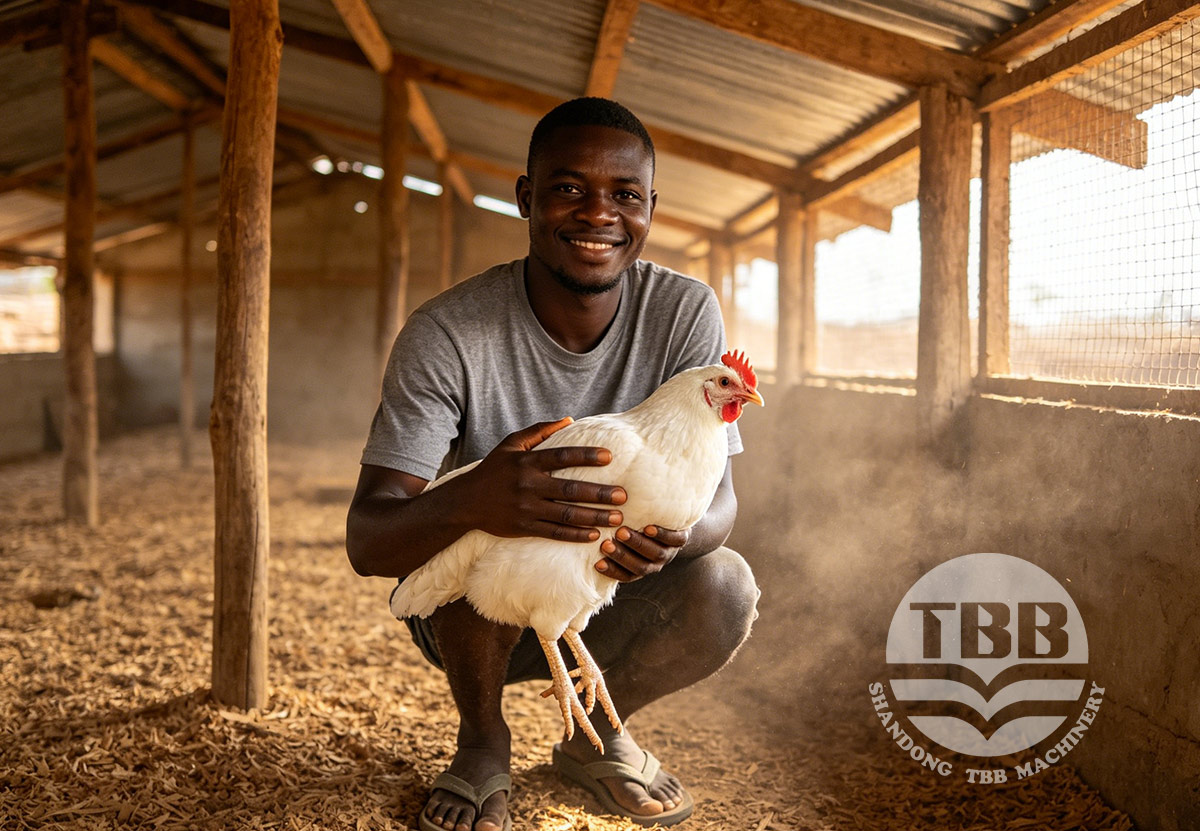
A farmer in Ogun State told me last year he started with ₦350,000 and 40 broilers. Eight cycles later, he was running 350 birds. He did not win a lottery. He just knew, from cycle one, exactly where every kobo went. That is the difference between a poultry startup that grows and one that stalls after the first batch.
▶ Housing & Day-Old Chicks: Your First Two Big Decisions
Let’s start with housing. For a micro-scale flock of 50 to 70 broilers, a functional deep litter pen built with local materials runs ₦100,000 to ₦150,000. You can cut costs by repurposing an existing shed or using bamboo and zinc offcuts, but do not cheap out on ventilation — chicks that overheat or chill in the first two weeks will not make it, regardless of what you saved on timber. This is one of the most overlooked elements in any small-scale poultry operation.
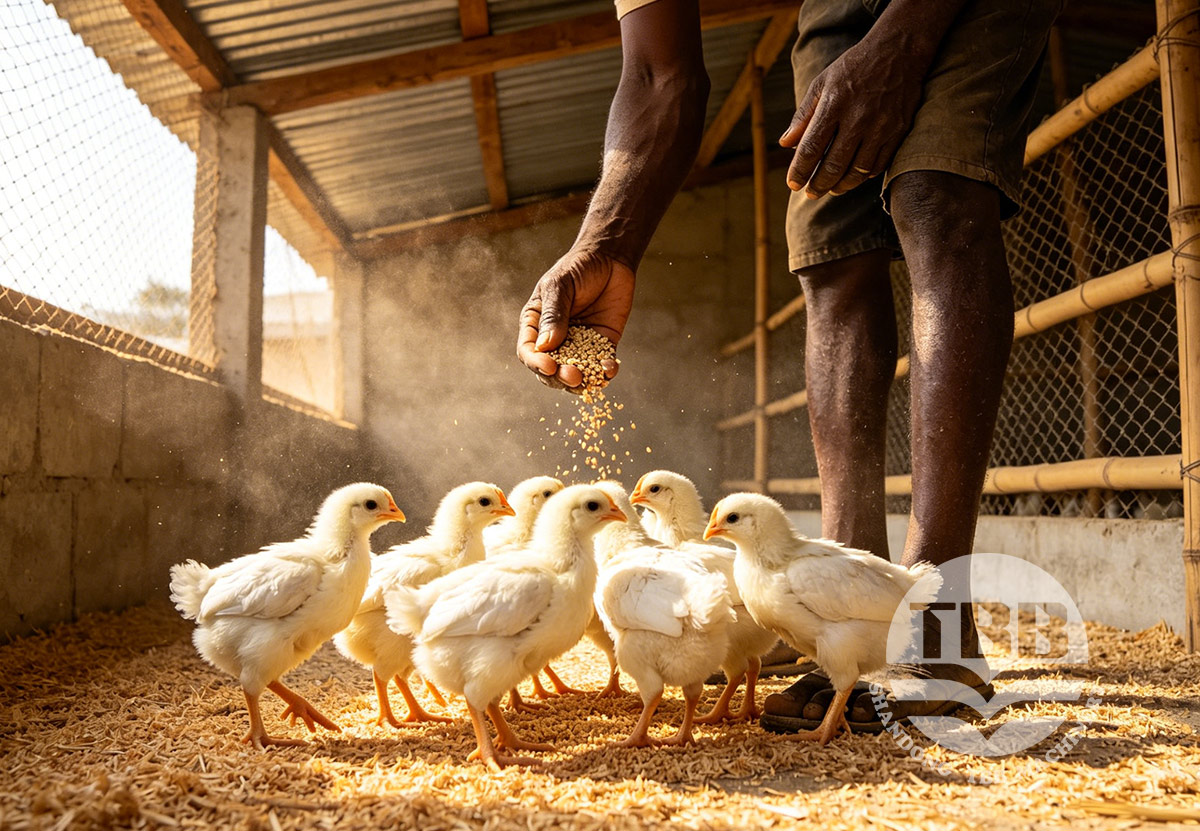
Day-old chicks are where the market has been unforgiving. Prices surged from around ₦520 per bird in mid-2024 to as high as ₦1,850–₦2,000 by late 2025 before settling. In 2026, premium broiler chicks from trusted hatcheries like Zartech, CHI, and Agrited sit between ₦1,200 and ₦1,800 each. Layer chicks cost ₦900 to ₦1,200. For 50 broilers at the lower end, that is roughly ₦60,000 to ₦90,000. If you prefer dual-purpose breeds like Noiler or Kuroiler — hardier birds popular with Nigerian smallholders — you are looking at ₦550 to ₦700 per chick. Pick your breed carefully; this single decision shapes your entire poultry production cycle and your break-even timeline.
▶ Feed & Vaccination: Where the Real Money Goes
Now, the real budget killer — feed. In any broiler chicken farming venture, feed swallows roughly 65 to 70 percent of your operating costs. In 2026, a 25-kilogram bag of broiler starter feed goes for ₦16,000 to ₦19,000 depending on the brand and state, with grower mash around ₦13,000 and finisher around ₦11,250. For a batch of 50 broilers raised to market weight over 6 to 8 weeks, you will need approximately 200 to 250 kilograms of feed in total. That translates to 8 to 10 bags of 25kg feed, costing you between ₦110,000 and ₦160,000. If you have the time and space, mixing your own feed using concentrates and locally sourced maize and soya meal can shave 10 to 15 percent off this bill — a saving that adds up fast across multiple cycles.
Vaccination is non-negotiable. Budget ₦5,000 to ₦10,000 for a full schedule covering Newcastle disease, Gumboro, and coccidiosis for 50 birds. Add another ₦10,000 to ₦15,000 for drinkers, feeders, sawdust or rice husks for litter, and heat lamps if you are brooding during harmattan. Skipping vaccines to save a few thousand naira is the fastest way to lose an entire batch — a lesson too many beginners learn the hard way.
▶ The ₦500,000 Budget Breakdown — 50 Broilers in 2026
So here is your realistic 50-broiler startup breakdown for 2026:
Housing (deep litter pen): ₦100,000 – ₦150,000
50 day-old broiler chicks: ₦60,000 – ₦90,000
Feed (8–10 bags of 25kg): ₦110,000 – ₦160,000
Equipment (drinkers, feeders, brooder): ₦10,000 – ₦15,000
Vaccines and medication: ₦5,000 – ₦10,000
Miscellaneous (litter, transport): ₦5,000 – ₦10,000
Total: ₦290,000 – ₦435,000
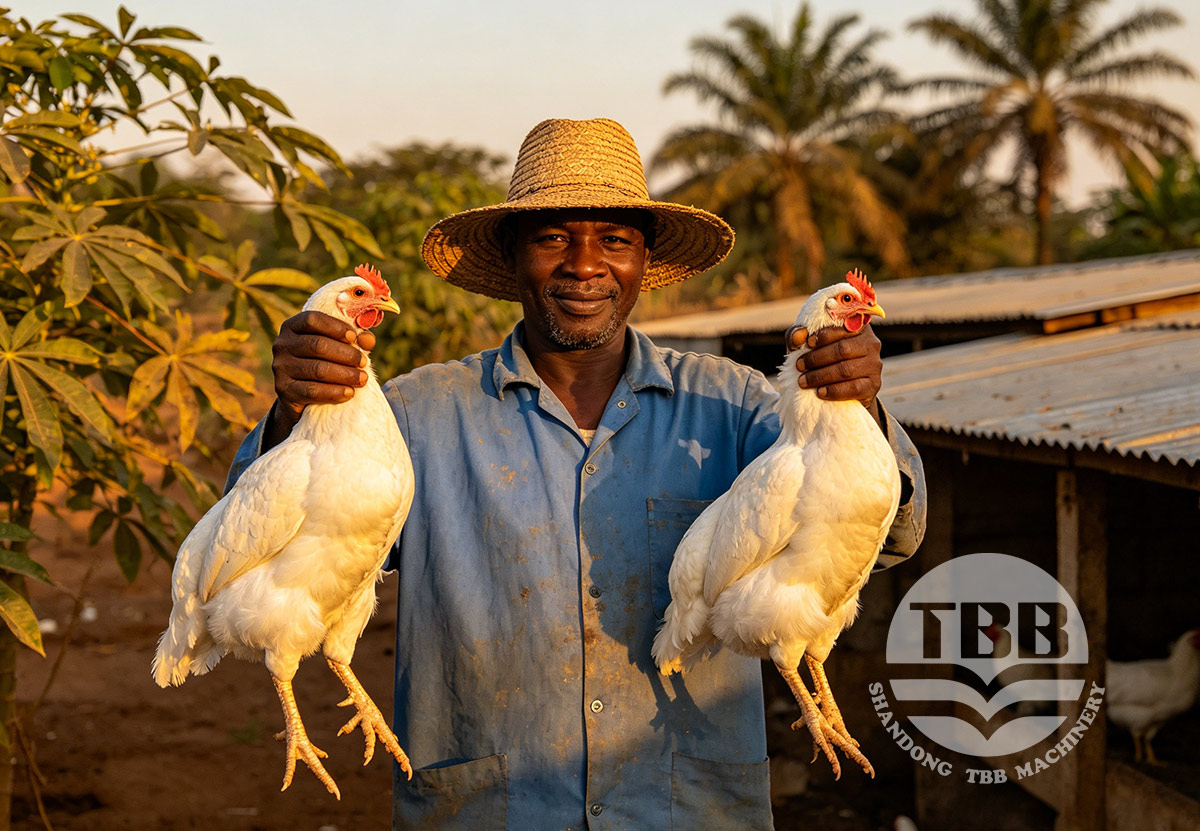
With ₦500,000, you are comfortably covered for 50 to 70 birds and still have a financial cushion for the unexpected — a sudden feed price spike, a sick bird, or a broken waterer. That cushion matters more than many first-time poultry farmers admit.
▶ Broilers vs. Layers: Which Path Fits Your ₦500,000?
Now, broilers versus layers. If you need cash flow fast, broiler production is your lane. Broilers hit market weight in just 6 to 8 weeks, making them the preferred choice for anyone searching “poultry farming for beginners in Nigeria” with a short ROI horizon. At current live chicken prices of ₦5,500 to ₦7,500 per kilogramme, a batch of 100 birds averaging 2.5 kilogrammes each can gross between ₦1,375,000 and ₦1,875,000. Subtract your costs, and the profit margins on broiler chicken farming in Nigeria remain strong — provided you keep mortality under 5 percent and source from reputable hatcheries.
Layer farming demands more patience. Point-of-lay birds start producing eggs around 18 to 20 weeks, and once they do, a well-managed 1,000-bird flock can deliver roughly 27 crates of eggs daily. With farm-gate egg prices hovering around ₦5,300 per crate in early 2026, the daily cash flow from a mature egg production operation is compelling. But those first 18 weeks are a pure feeding cost with zero revenue. On a ₦500,000 budget, starting with layers means buying fewer birds and waiting much longer before you see any income.
▶ Smart Strategies & Financing Programs to Leverage
A few smart moves stretch a tight budget further. Start small and reinvest profits — it is better to raise 50 birds well than to stretch across 150 and lose half to preventable issues. Time your chick purchases: day-old chick prices spike during festive seasons, so buying off-peak can save you ₦300 to ₦500 per bird. And do not sleep on financing programmes designed for smallholder poultry farmers. The Lagos State Employment Trust Fund offers broiler project loans of up to ₦5,000,000 at just 9 percent annual interest, and the ₦1 billion National Integrated Poultry Project, launched in early 2026, promises subsidized feed and technology transfer for small-scale poultry farmers. These initiatives exist for exactly the kind of farmer reading this right now.
Here is the truth: starting a poultry farm in Nigeria with ₦500,000 is being done profitably every day by resourceful farmers across Ogun, Oyo, and Lagos. The poultry industry in Nigeria remains one of the most resilient sectors in the agricultural economy, and with both egg and meat consumption climbing, demand is not going anywhere. What matters is how you position yourself from batch one — and whether you have the right equipment and guidance from the start.
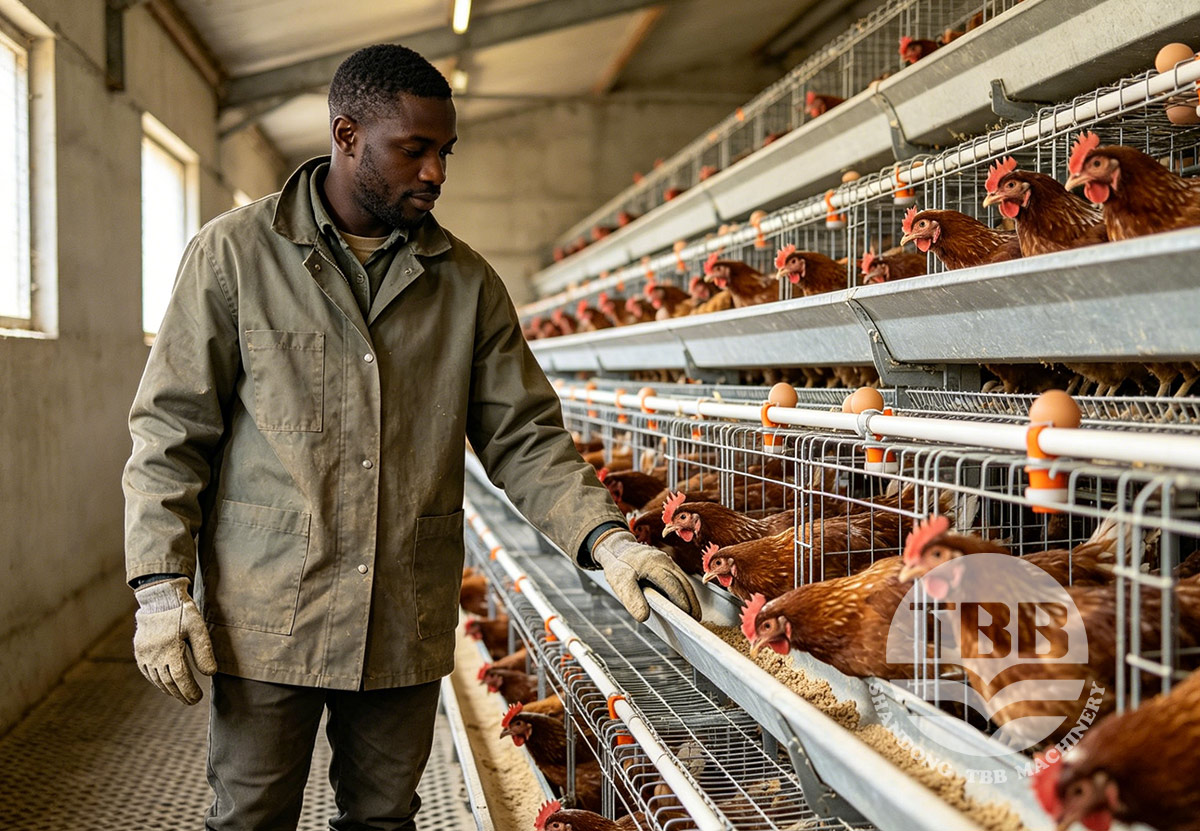
Ready to set up your poultry farm with equipment that won’t let you down? Contact Tobetter Machinery for a straightforward quote on battery cages, automatic feeding systems, drinkers, and ventilation tailored to the Nigerian market. Send us a message today — we will lock in this year’s most favourable pricing for your farm size and location. Spots at this rate will not last.
➡ Email us: haven@tobetterm.com | ➡ WhatsApp: +8617616553000 | ➡ Visit www.tobetterm.com