



News
Poultry Equipment Quality Compliance: Why It Matters
Source: TBBView: 200Poultry Equipment Quality Compliance: Why It Matters
Here is something we have noticed over the years of exporting poultry equipment to farms across Asia and Africa: the buyers who ask the hardest questions up front are usually the ones who end up with the smoothest operations. And one question comes up more than any other — does this equipment carry proper certification? It sounds like a boring administrative detail. In practice, it is the difference between a cage system that runs for 15 years and one that starts falling apart in season two.
Let us walk through what quality compliance actually means for poultry farming equipment, why it matters especially for buyers sourcing from China, and how to tell a serious supplier from one that is just stamping labels.
What We Mean by Quality Compliance
When we talk about compliance, we are not talking about a single sticker. For poultry housing equipment — layer cages, broiler systems, automated feeding lines, manure belts, egg collection conveyors — real compliance means meeting standards across several areas at once:
•Material safety. RoHS certification confirms that the steel, coatings, plastics, and electrical components in your cage system do not contain restricted hazardous substances like lead, cadmium, or mercury. This matters because low-grade imported materials can leach into your farm environment over time.
•Electrical safety. Automated systems with motors, sensors, and control panels need to meet Low Voltage Directive (LVD) and EMC standards. A short circuit in an automatic egg collector is not just inconvenient — it can take your whole house offline during peak laying season.
•Structural integrity. Multi-tier stacked cage systems holding tens of thousands of birds generate serious load on frames, connectors, and floor grids. Proper engineering validation ensures those loads do not become failures two years down the road.
•Process consistency. ISO 9001 tells you that the factory has documented production processes, quality checkpoints, and traceability systems in place — not just good intentions.
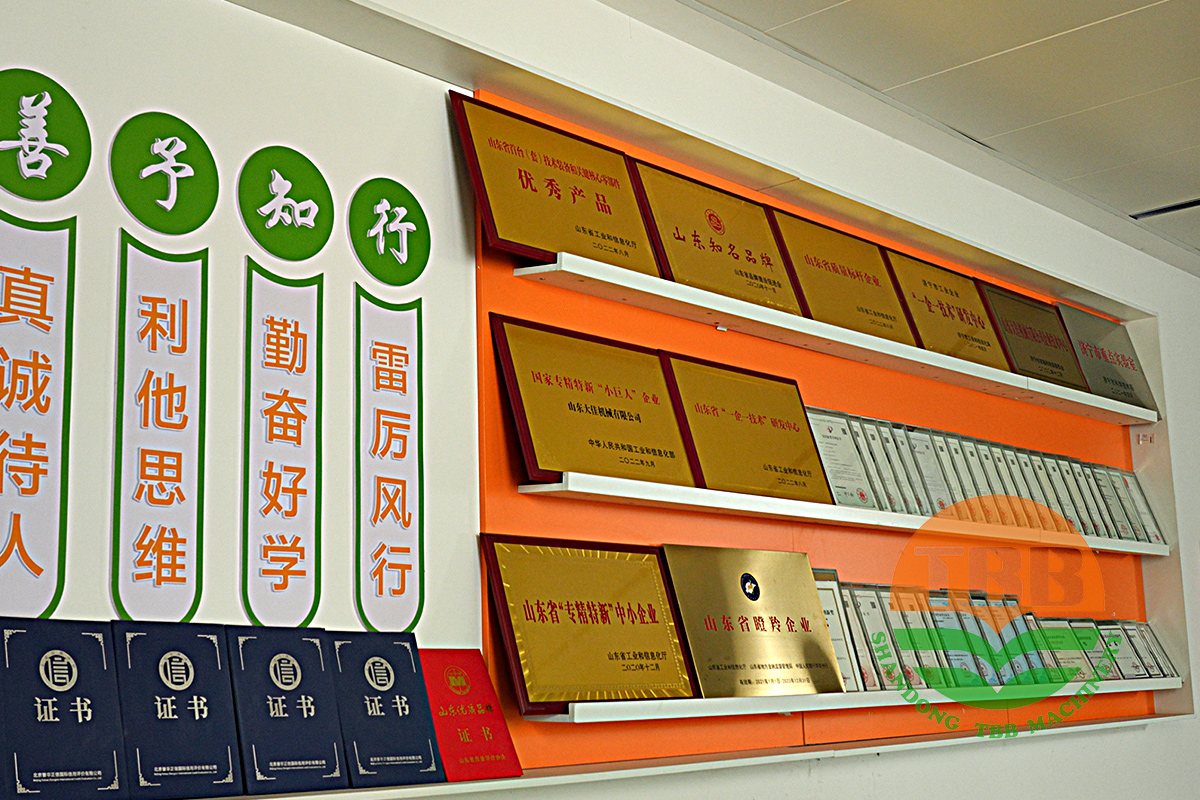
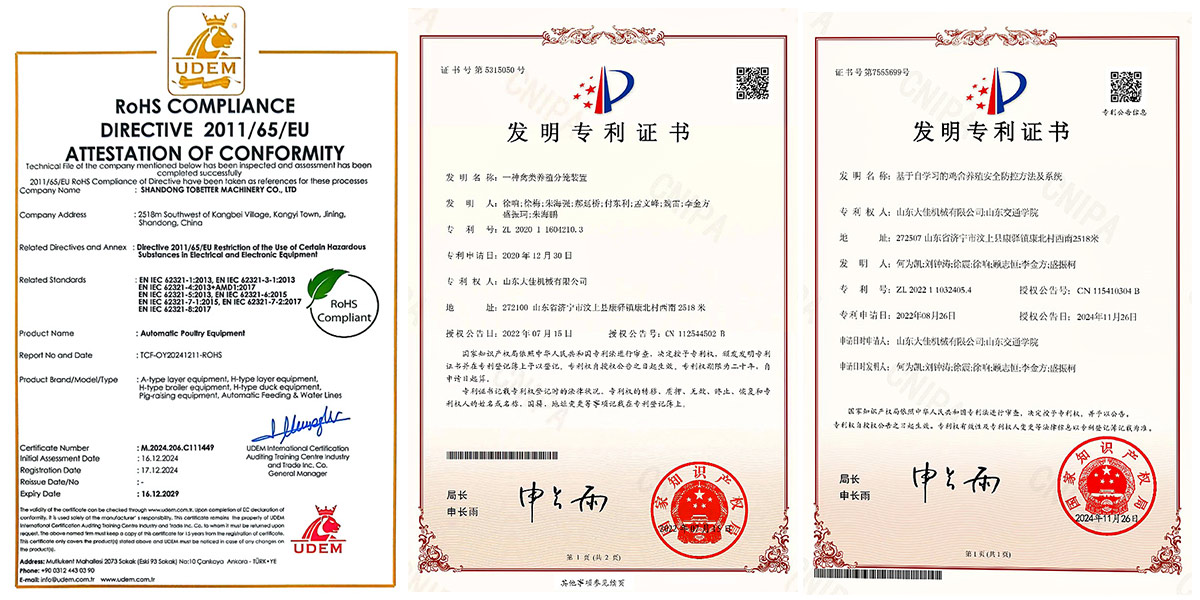
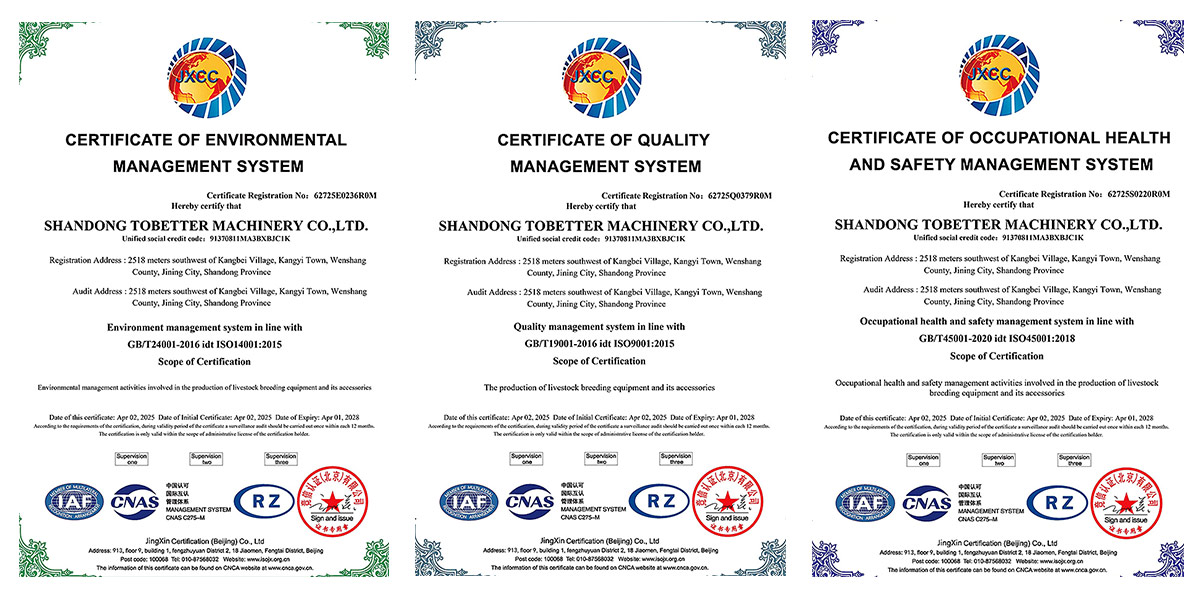
At Tobetter Machinery, all of our layer cage systems, broiler cage setups, and automated poultry equipment carry RoHS compliance and ISO 9001 certification. Our certificates are issued by accredited third-party testing bodies, not self-declared. You can see our certification documents below:
Why This Hits Harder Than You Might Expect
China makes a staggering volume of poultry farming equipment. Some of it is excellent. Some of it is built to last until the container leaves the factory gate. The price gap between the two can be 30-50%, which looks tempting on a quote sheet. Here is what that cheaper option has cost real farmers:
•A broiler farm in Vietnam bought uncertified A-type cages to save money per unit. Within 14 months, the electro-galvanized wire started rusting through in the high-humidity shed. They had to replace the entire bottom tier — a retrofit cost that wiped out their original "savings" twice over.
•An egg producer in Kenya ordered an automated feeding system from a supplier who claimed full compliance but could not produce a Declaration of Conformity when asked. When the feed motor burned out six months later, there was no technical file to reference for replacement parts. The farm was down for eleven days waiting for a custom fix.
•A mid-size layer operation in the Philippines went with non-compliant manure belt material. The belts cracked under load within two years. The manufacturer had vanished from Alibaba. No spare parts, no support, no recourse.
These are not made-up scenarios. We hear versions of them from customers who come to us after their first purchase did not work out. The common thread is always the same: they bought on price alone and skipped the compliance check.
A Real-World Checklist for Verifying Supplier Claims
Plenty of suppliers slap compliance logos onto product photos without ever completing an actual assessment process. If you are evaluating poultry equipment manufacturers remotely, here is a checklist we would use ourselves:
•Demand the original DoC document — not a photo of a label.
A legitimate Declaration of Conformity lists the specific product model, applicable directives, the issuing body, and a signature with date. Anyone can print a CE logo. Fewer can produce the actual paperwork behind it.
•Ask which specific directives apply to each piece of equipment.
For automated layer cage systems, RoHS covers materials, LVD covers electrical safety, and EMC covers electromagnetic interference. A supplier who cannot map these to specific products probably has not done the actual testing.
•Request the Technical Construction File (TCF) reference number.
Serious manufacturers maintain auditable TCF documentation covering design calculations, risk assessments, and test reports. It exists for a reason — regulators audit it.
•Confirm whether compliance covers the complete system or individual parts only.
Some suppliers certify the cage frame but not the automatic feeding line, drinking system, or egg collection conveyor that ships alongside it. You want whole-system coverage.
•Check ISO 9001 status independently if possible.
ISO 9001 certificates list an accreditation body and certificate number. You can verify many of them online. It takes five minutes and saves years of potential headaches.
Certification Is the Floor, Not the Ceiling
Compliance certifications matter. But they do not tell you everything about a supplier. Once you have confirmed that a manufacturer meets basic quality standards, here is what separates adequate equipment from genuinely reliable equipment:
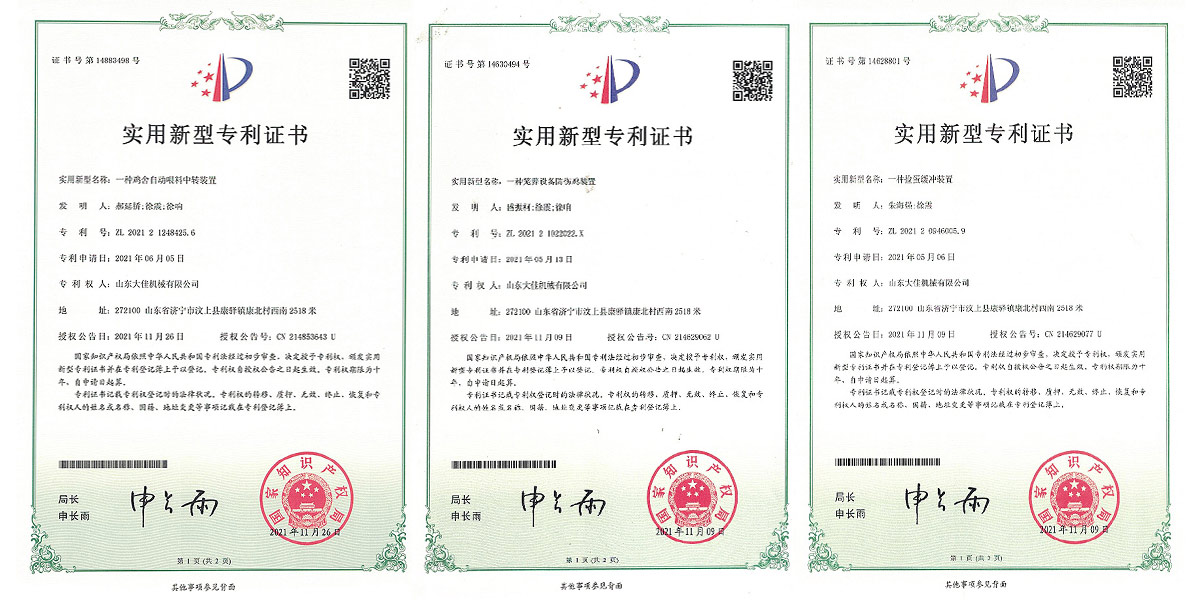
Patents indicate R&D depth, not just assembly capability. Our 62 registered patents cover mechanisms like dual-side egg collection, belt-driven manure removal, and chain-driven precision feeding distribution. These are engineered solutions, not off-the-shelf copies.
Galvanisation method determines lifespan. Hot-dip galvanised steel cage wire lasts 15-20 years even in humid tropical climates. Electro-galvanised alternatives corrode in half that time. The upfront cost difference is small compared to a mid-life replacement job.
Real installation experience beats showroom promises. We will get into this in the next section.
A Recent Project That Shows Why This All Connects
Last year, a farming cooperative in Tajikistan reached out to us about building out a new 20,000-bird layer house. Their previous cage supplier had delivered equipment that looked fine on arrival but developed frame corrosion issues within 18 months due to the region's extreme temperature swings between seasons. They were replacing equipment they had only recently installed.
We supplied them with a 4-tier A-type hot-dip galvanised layer cage system, complete with auto feeding lines, nipple drinking units, and manure belt cleaning. Before shipping, we provided the full compliance documentation pack — RoHS certificates for materials, ISO 9001 quality system documentation, and technical files for every major component. Their engineering team reviewed it. The equipment arrived in Dushanbe in November. Installation took three weeks with our on-site technician support. The house went live in December.
Six months in, the owner sent us photos of the flock at full capacity. Egg production numbers were on target. No frame corrosion. No electrical faults. No belt failures. He told us something that stuck: "The last time I bought cages, I saved money on the order form. This time I spent more upfront and I have spent nothing since."
That is what compliance plus engineering quality actually buys you. Not peace of mind as a slogan — but genuine operational quiet.
What This Means for Your Farm's Bottom Line
We are not going to pretend certified equipment is always the cheapest option on a purchase order. It usually is not. But equipment cost is only one line item. The real calculation includes downtime costs, replacement part logistics, lost production cycles, and the hidden expense of managing a vendor who disappears when things go wrong. When you factor those in, compliant equipment from a properly certified supplier tends to be the lower-total-cost choice — often by a wide margin.
For farms scaling from 5,000 birds toward 50,000 or beyond, that gap gets wider. Modular certified systems expand cleanly. Non-certified legacy equipment becomes a constraint you eventually have to pay to remove.
What You Can Do Next
If you are planning a new build, expanding an existing layer or broiler operation, or replacing ageing equipment, start with the compliance conversation early. Ask your supplier for the documents listed above. Compare what they provide versus what they promise. The ones who hesitate or deflect are telling you everything you need to know.
At Tobetter Machinery, we ship CE-compliant and ISO 9001-certified poultry equipment to 12 countries. We hold 62 patents. We operate our own test farm so every system we sell has been proven under real production conditions before it ever reaches a container. Our team handles installation support on-site when needed, and we stand behind what we deliver long after the invoice is paid.
Send us your farm layout or capacity plans today, and we will put together a tailored equipment proposal — along with the best pricing we are offering this year. Seriously, reach out now and lock it in.