



News
Vietnam Broiler Farming: Forget the Headlines — These Are the Numbers That Actually Move the Needle
Source: TBBView: 75Vietnam Broiler Farming: Forget the Headlines — These Are the Numbers That Actually Move the Needle
Cut the macro reports and polished slide decks. If you trade in or supply Vietnam's poultry sector, four numbers rule every decision: the price of a day-old chick, the cost of a kilogram of compound feed, the farm-gate live broiler price, and the margin a processor pays for a finished bird. Lose sight of these, and you lose sight of the market entirely.
I sat with a contract grower in Dong Nai last month — let's call him Tuan. He opened his phone and showed me four different chick price quotes from the same hatchery, all for different delivery dates. The range: VND 14,000 to VND 19,000 per bird. Same genetics, same vaccination schedule — just different timing. That 35% swing is the difference between a profitable cycle and a net loss, and it happens every week.
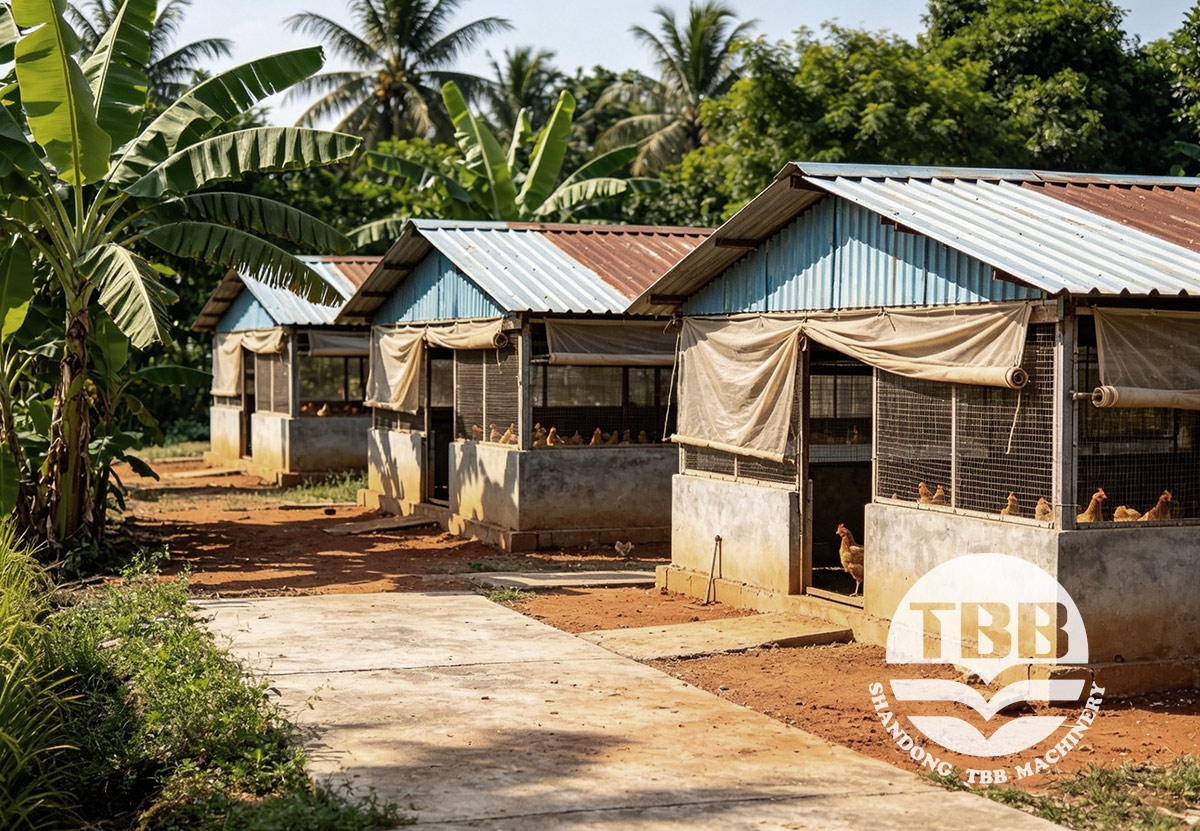
By mid-2026, Vietnam's commercial broiler sector is charging toward a record. Industry estimates peg domestic output at over 2.2 million tonnes this year, driven by white-feather operations clustered across the southeastern provinces. Per capita chicken consumption has climbed to roughly 18 kg. But those headline figures mask a cost-obsessed reality that anyone eyeing the sector has to grapple with.
▶ The Live Price & Production Cost Equation
Farm-gate live broiler prices in Ho Chi Minh City and Dong Nai — the country's core production hub — bounced between VND 34,000 and VND 44,000 per kg through the first half of 2026. A swing wide enough to wipe out growers who misjudge their flock cycle timing. Dip below VND 32,000 per kg, and the average independent farmer slips straight into negative margin.
The math is unforgiving. Between chicks, feed, vaccines, electricity, and shed depreciation, the production cost per kg of live broiler rarely drops below VND 29,000. Farms running an FCR of 1.55 to 1.65 have a thin but usable buffer. Those stuck above 1.8? Every downward price tick becomes a cash drain.
▶ Feed Imports, Futures, and the Shift to Contract Farming
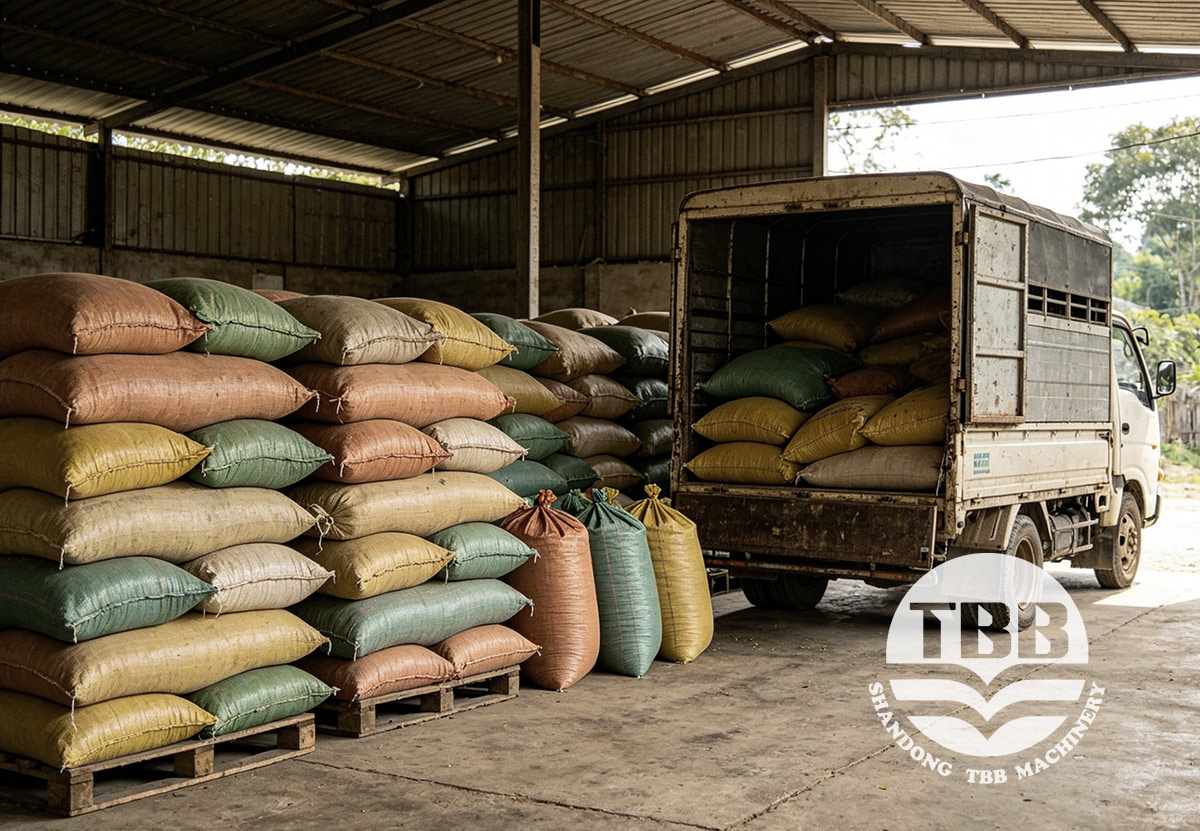
What keeps costs so stubbornly high? Vietnam imports around 80% of its soybean meal and a growing share of its corn, so local feed prices track Chicago futures and global freight rates. A soybean rally squeezes breeder margins almost immediately, and integrators pass the pressure down by hiking chick prices. Tuan told me he now watches CBOT soybean futures on his phone — not because he trades them, but because a three-day rally in Chicago means a new price list from his feed supplier by Friday.
This volatility has accelerated the shift to contract broiler farming. Major players like CP Vietnam and Japfa Comfeed supply chicks, feed, and technical oversight, while farmers collect a fixed rearing fee per bird. The trade-off is limited upside — but genuine protection from open market swings, which for many mid-sized growers is worth the compromise.
▶ The Processing Shift: Chilled, Branded, and ABF
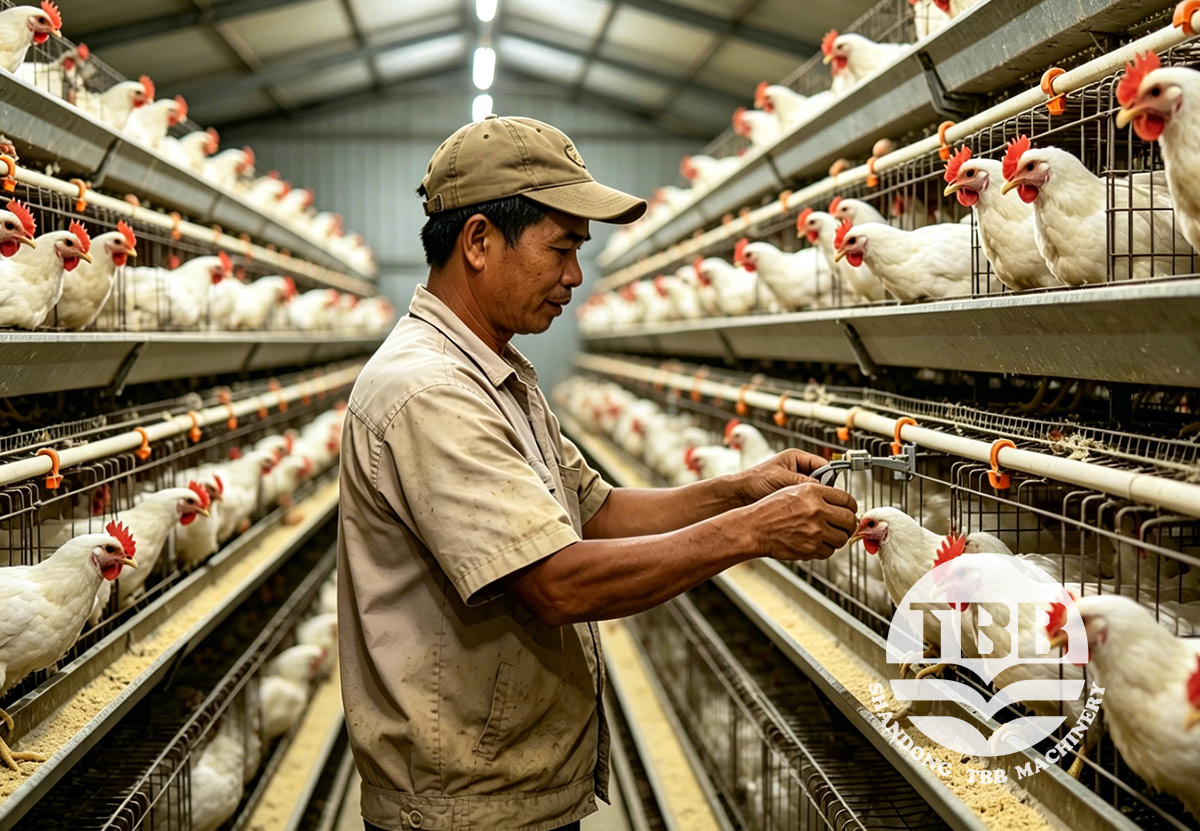
Vietnam's broiler processing landscape is being redrawn too. Across Binh Duong and Long An, new mid-sized slaughter plants are chasing demand for chilled, branded chicken instead of commodity frozen blocks. These plants are prioritizing antibiotic-free (ABF) broilers for modern retail chains, where shoppers pay a 20–30% premium for "no antibiotics ever" labelling. ABF production has stopped being a niche play — it's fast becoming the baseline for new shed design, from tunnel ventilation to automated feeding systems.
▶ Import Pressure: Frozen Chicken and the Two-Tier Market
On top of that, import pressure hangs over the domestic market. Frozen chicken from the US and Brazil keeps flooding in. Customs data shows Vietnam's frozen chicken imports sailed past 200,000 tonnes in 2025, undercutting domestic dark meat prices. Savvy processors now blend imported product with domestic broiler frames for sausages and comminuted goods — a two-tier market that anyone buying or selling broiler meat in Vietnam has to navigate daily.
▶ What Counts Now: FCR, Mortality, and Equipment Upgrades
So what actually counts right now? Farm-gate discipline, genetic selection, and unit economics per square metre of tunnel-ventilated housing. The operators pulling ahead aren't just chasing scale — they're squeezing maximum margin from every cycle by obsessing over FCR, keeping mortality under 4%, and locking in premiums for birds sent straight to modern slaughter lines.
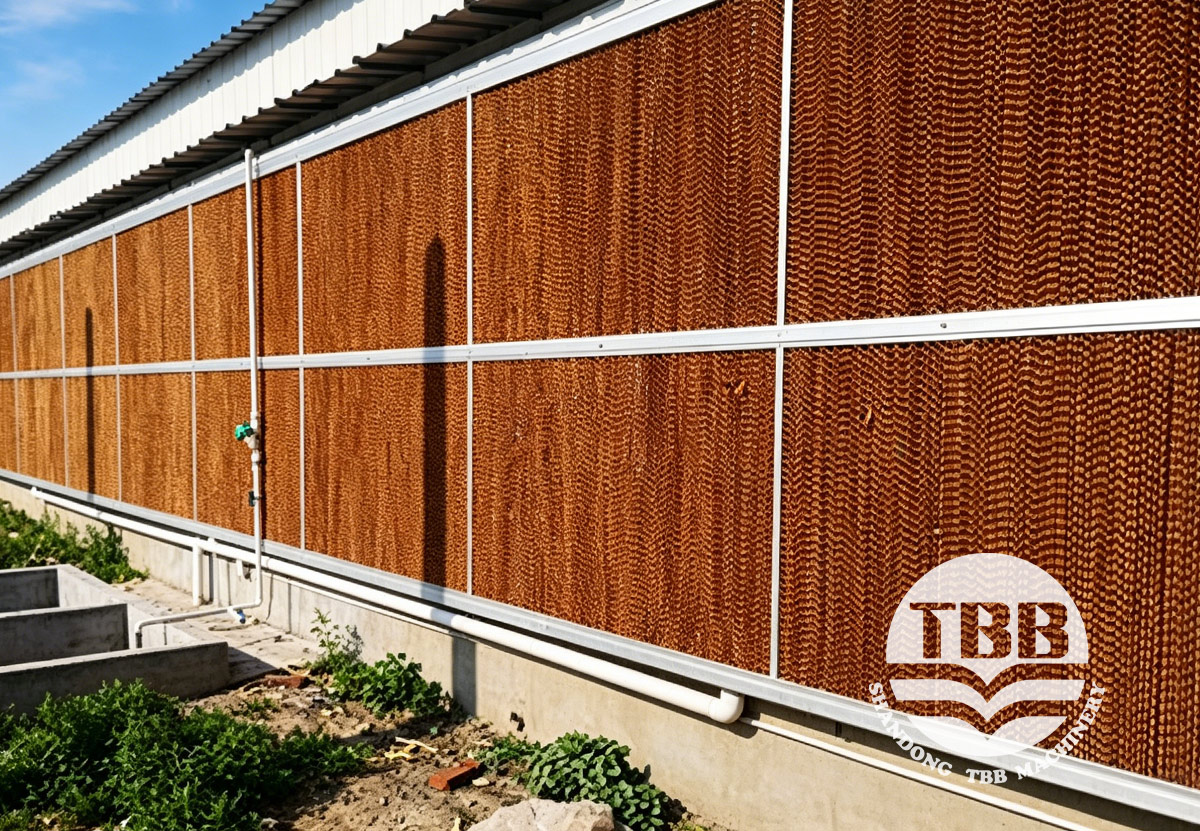
Broiler farm equipment suppliers across the country report a surge in orders for high-efficiency cooling pads, automated pan feeders, and biomass heating systems — clear signs that the sector is professionalising faster than many outside observers realise.
If the Vietnam market is on your radar, we’d be happy to talk. Mention "Vietnam broiler 2026" and I'll send you a current margin breakdown for your target scale, along with our most competitive pricing of the year on the solutions that fit your setup.