



News
Rebuilding Iraq's Poultry Sector — One Cage at a Time
Source: TBBView: 84Rebuilding Iraq's Poultry Sector — One Cage at a Time
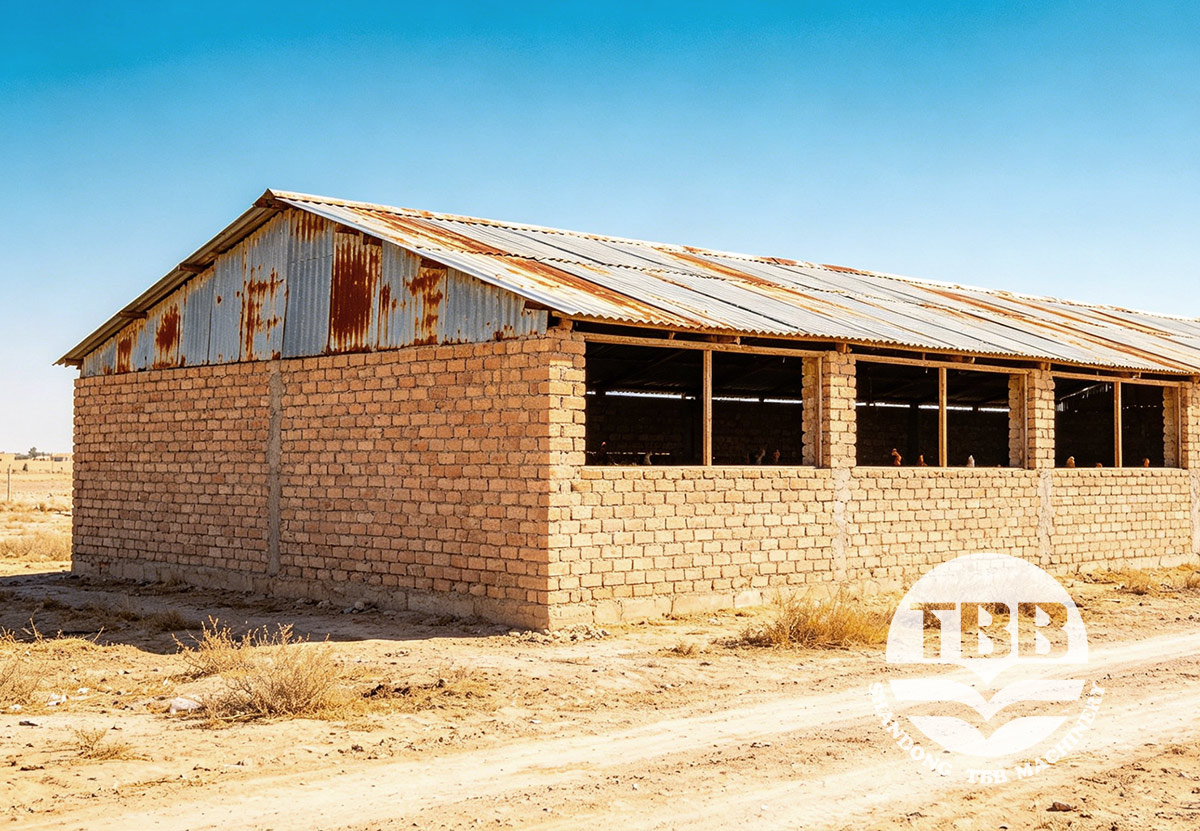
Baghdad, Iraq — In 2022, a single summer heatwave wiped out nearly 40% of Ali Al-Khafaji’s broiler flock. His open-sided farm in Babil Governorate, fitted with rusted locally made wire cages, offered no defense against 52°C temperatures. Ventilation meant opening a window; biosecurity meant hoping for the best.
Three years later, the same plot houses 15,000 birds in a fully enclosed, climate-controlled system. Mortality has fallen below 4%, and his feed conversion ratio has improved from 1.9 to 1.6. “I used to work for the birds,” Al-Khafaji says, standing beside a real-time ammonia monitoring panel. “Now the system works for me.”
His story is far from isolated. Across Iraq, a quiet infrastructure revolution is reshaping the poultry industry — and it begins with the cage.
▶ From Collapse to Reconstruction
For nearly two decades, Iraq’s poultry sector operated in a state of dependency. As of 2020, an estimated 65% of domestically consumed table eggs and frozen broiler meat were imported from Brazil, Turkey and Iran. Chronic underinvestment, subsidized imports and daily power grid failures made domestic production a high-risk proposition.
That equation shifted in 2023, when the Iraqi government raised tariffs on imported poultry products and expanded agricultural lending via the Central Bank’s 1 trillion IQD food security initiative. The signal was unambiguous: grow local, or lose the market.
But policy alone cannot raise flocks. Hardware can.
▶ The Cage as a Unit of Transformation
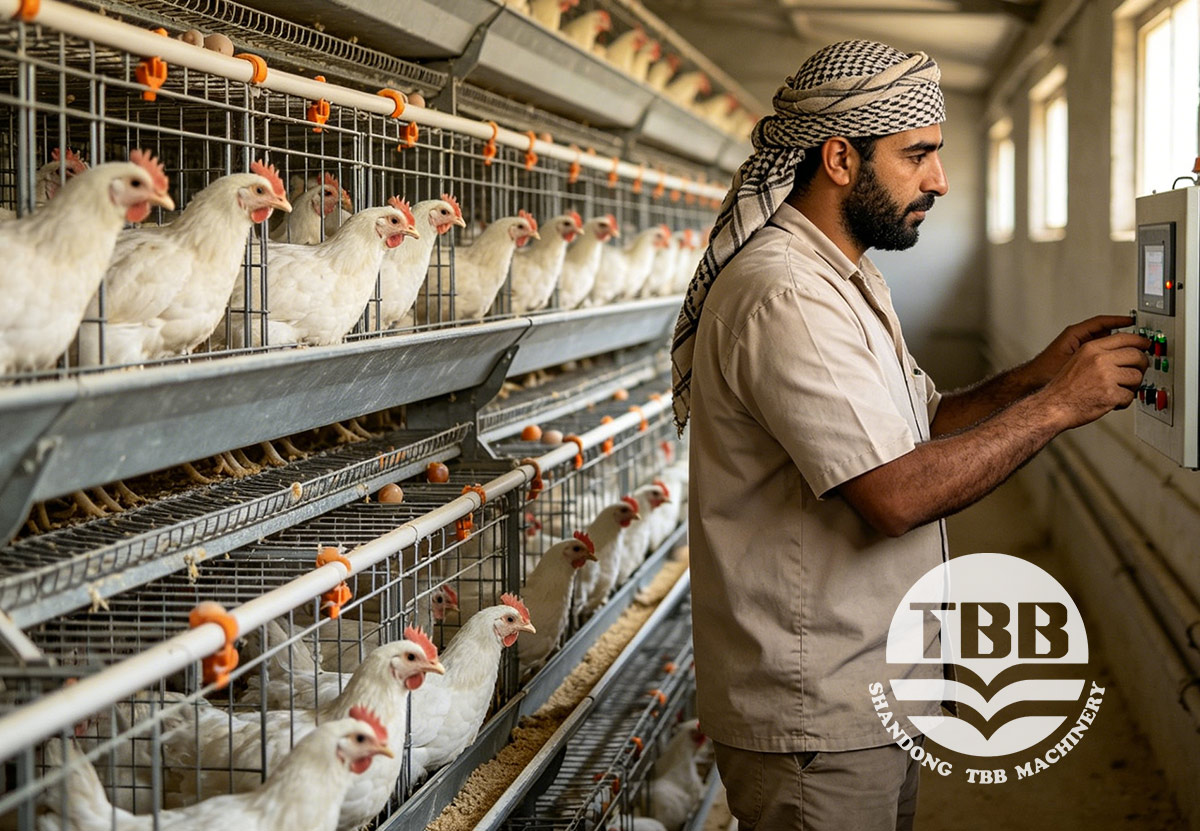
Industry veterans draw a direct line between Iraq’s productivity gap and its outdated housing infrastructure. Traditional floor-rearing systems and open sheds — still dominant in Diyala, Wasit and southern Salah ad-Din — expose birds to extreme heat stress, dust-borne pathogens and wild bird contact that transmits avian influenza. The result is a national summer mortality rate of 12% to 18%, compared to 3% to 5% in Gulf countries with closed-system housing.
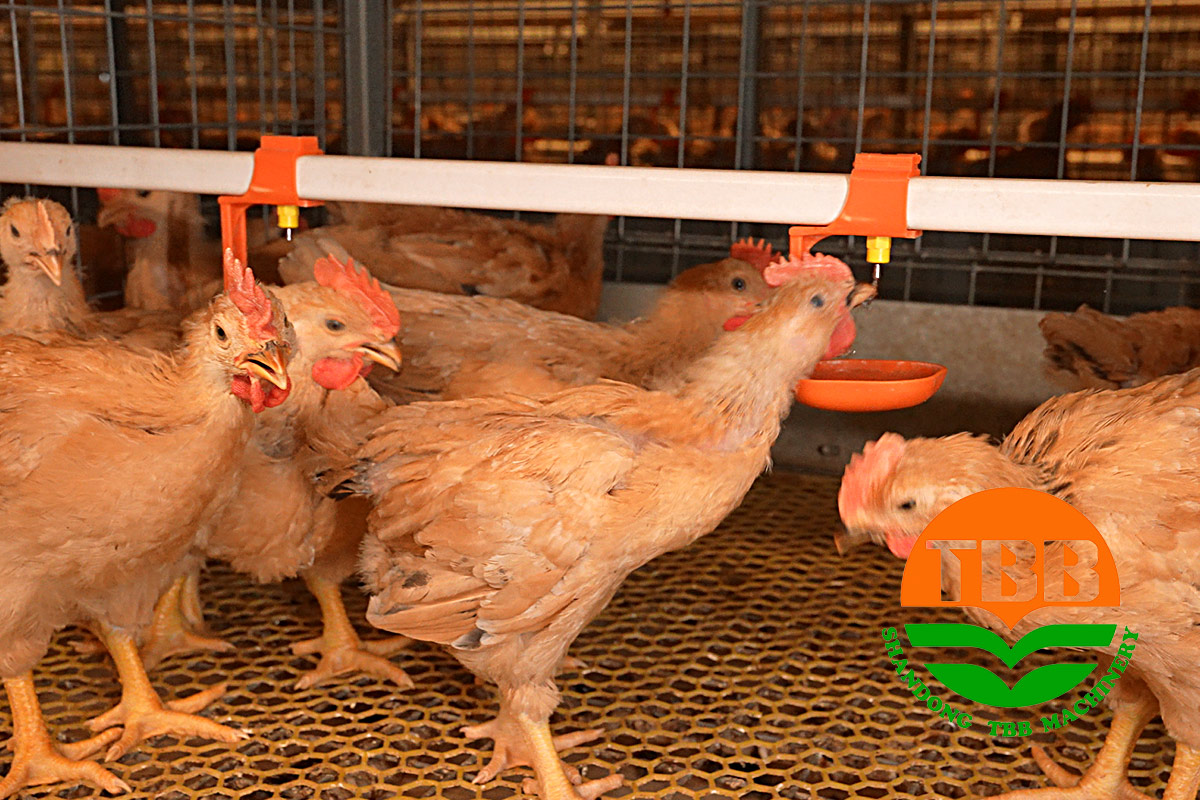
The solution increasingly adopted by integrators and mid-tier producers is galvanized steel battery cage systems with automated climate control. These are not the flat-deck cages of the 1990s. Today’s standard installations across Babil, Najaf and the Kurdistan Region feature A-frame layer cages with manure belts that reduce ammonia exposure, tunnel-ventilated broiler housing with evaporative cooling pads, and nipple drinker lines with integrated medicators for contact-free vaccine delivery.
“Every cage upgrade is a biosecurity upgrade,” explains Dr. Layth Hassan, a veterinary consultant advising six farms between Karbala and Hilla. “Controlling air speed, water quality and manure removal eliminates the vectors that cost farmers 20% of their revenue.” He notes that farms retrofitted with fully automatic layer equipment consistently see peak egg production extended by 8 to 12 weeks, compared to open-shed flocks with identical genetics.
▶ Feed Efficiency: Where Margins Take Shape
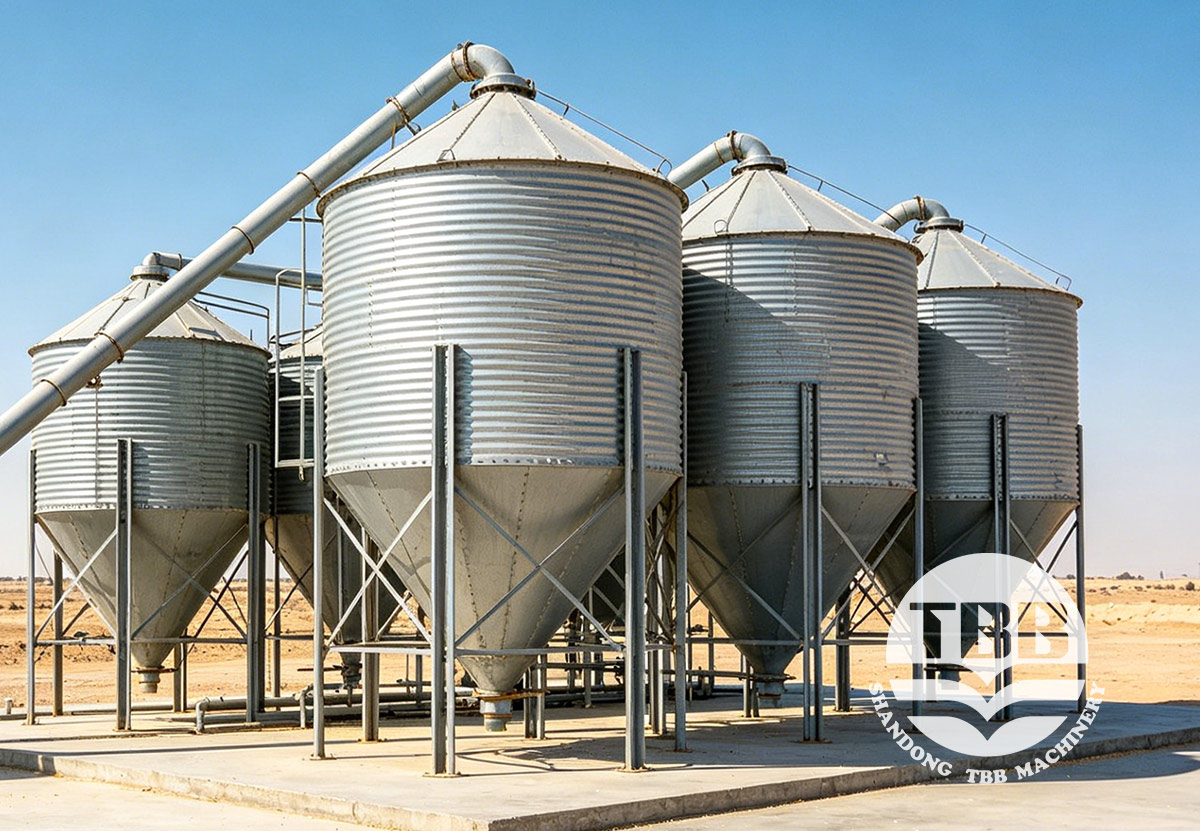
Cage modernization has also exposed an upstream bottleneck: Iraq’s feed milling sector is struggling to keep pace. High-performance automated feeding systems demand consistent pellet quality and precise nutrient density. Inconsistent feed batches can erase a new housing system’s efficiency gains in a single production cycle.
This has triggered parallel investment in vertical feed mixers and on-farm silo storage that preserves imported soybean meal through summer humidity. One Basra-based integrator recently committed $2.7 million to a new milling line producing uniform crumble for multi-tier broiler cages — a design fast gaining traction for its superior space-to-yield ratio.
The economics are compelling. Farms combining environmentally controlled housing with on-site feed conditioning report 8 to 12 grams higher daily weight gain per bird, market weight reached 3 to 4 days earlier, and over 30% fewer processing plant condemnations. For operations running six cycles annually, these margins separate loan default from expansion.
▶ Kurdistan as a Bellwether
The semi-autonomous Kurdistan Region of Iraq (KRI) has emerged as the sector’s testing ground. With more reliable power, milder summers in the Erbil and Duhok plains, and closer trade links to Turkish equipment manufacturers, KRI farms were early adopters of prefabricated insulated panel poultry houses. Their results are drawing investor attention from Baghdad and Basra.
A 2024 survey by the Iraqi Poultry Producers Association found 64% of KRI broiler farms now operate some form of closed-environment housing, versus an estimated 18% in central and southern governorates. The gap is narrowing, however, as Baghdad fabricators begin producing galvanized cage components under license from European and Turkish design partners.
▶ Limits and the Path Forward
No amount of hardware eliminates Iraq’s structural vulnerabilities. The power grid remains unreliable; most closed-system farms run diesel generators 6 to 10 hours daily, adding $0.08 to $0.12 per bird in fuel costs. The day-old chick supply chain, while improved, still depends on grandparent stock imports vulnerable to border disruptions. Financing also lags ambition: a 30,000-bird layer cage installation typically requires $120,000 to $200,000 upfront, out of reach for many family-run operations.
Yet the direction of travel is unambiguous. The market has crossed a psychological threshold: the cage is no longer seen as an expense, but as the primary unit of risk management.
The next 24 months will likely bring a wave of consolidation. Farms unable to fund retrofits will lose contracts with integrators mandating minimum housing standards. Hatcheries will deepen partnerships with farms that deliver consistent performance data — data modern cage systems generate automatically.
For Iraq, where poultry remains the most affordable animal protein for 44 million people, the stakes extend beyond balance sheets. Every upgraded cage system strengthens a national food security architecture that has been brittle for too long. Rebuilding the industry one cage at a time is slow, costly and unglamorous. It is also the only strategy that has ever worked.
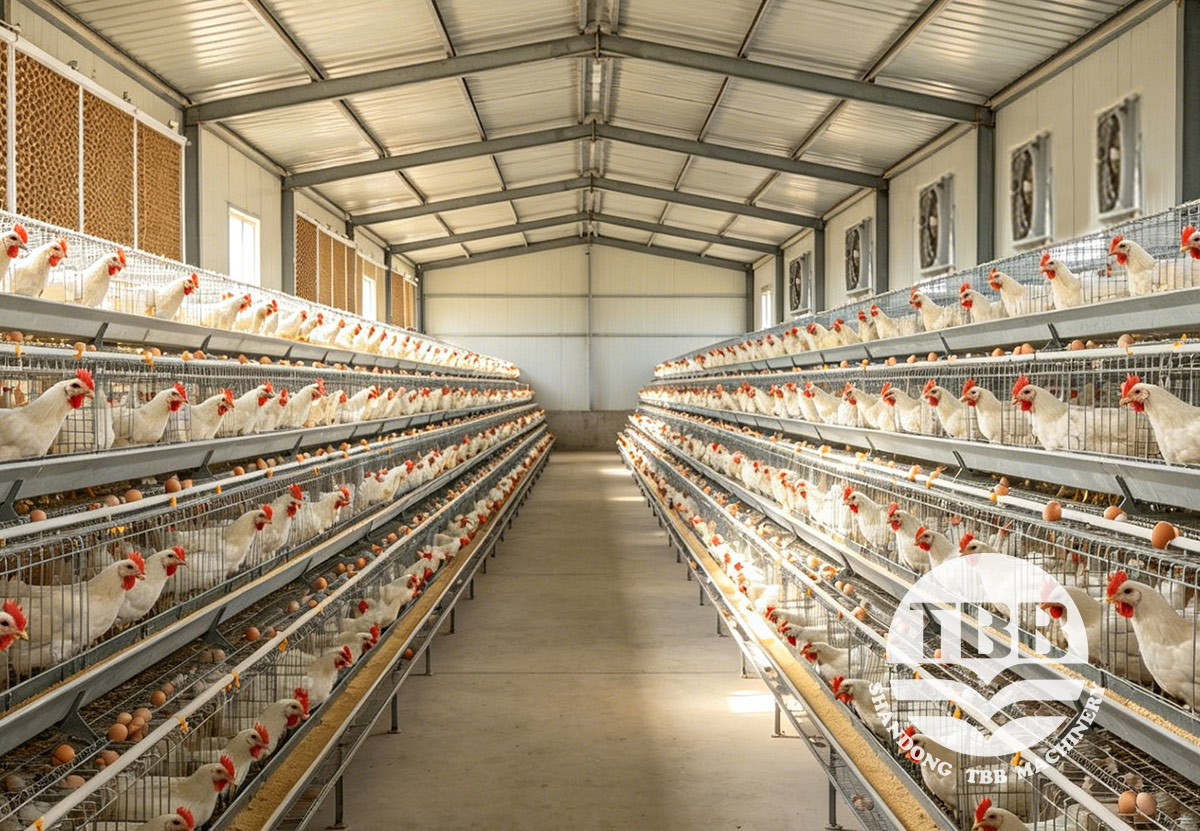
If you are evaluating a poultry house modernization project — from a 10,000-bird layer retrofit in Najaf to a 50,000-bird broiler complex in Erbil — our technical team provides detailed equipment specifications, realistic ROI projections and on-the-ground installation support.
We have capacity for three new consultation engagements before the third quarter. Contact me directly for a confidential quote, and I will extend our most competitive pricing tier of the year, reserved exclusively for partners joining our Iraq supply network. Let’s discuss what your next cage upgrade can achieve.