



News
Thinking About Caged Layers in Malaysia? Read This First
Source: TBBView: 64Thinking About Caged Layers in Malaysia? Read This First
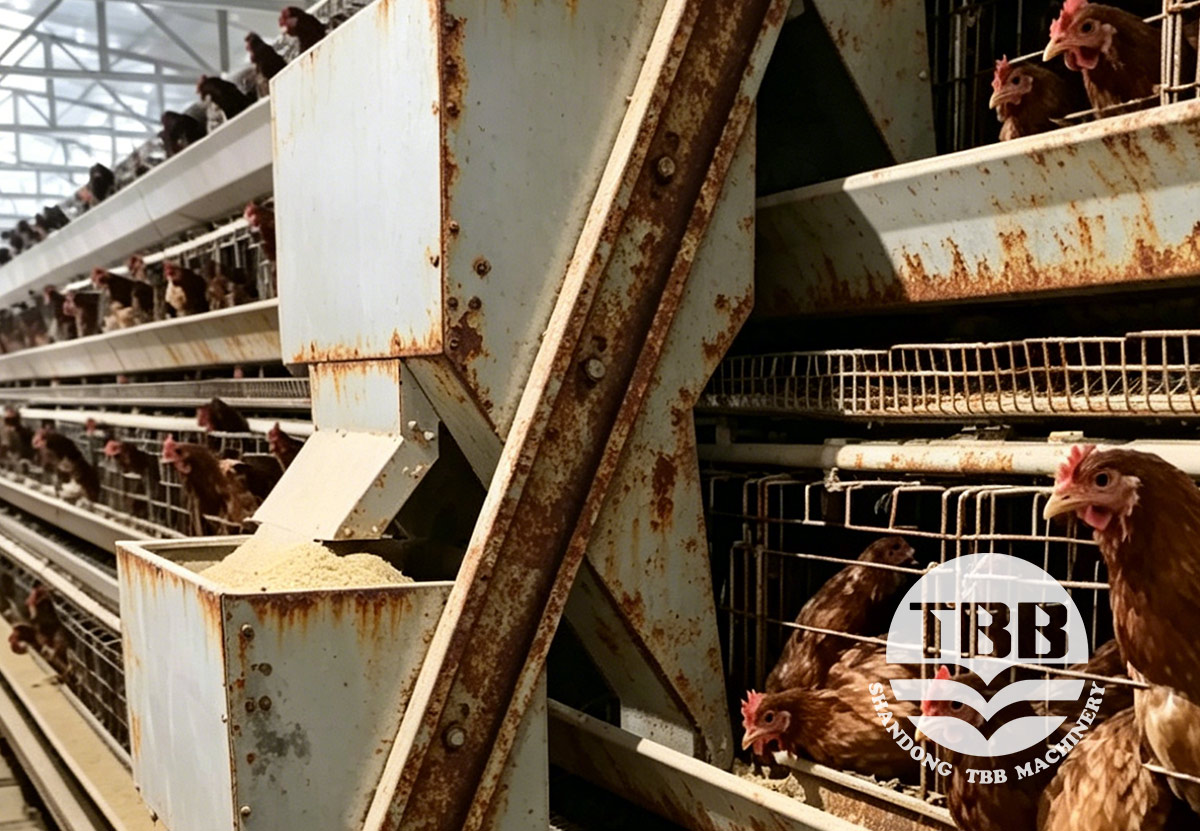
Last year, I walked into a 30,000-bird layer house outside Ipoh and knew within five minutes the owner was in trouble. The galvanised steel on his A-frame cages — installed just 14 months earlier — was already blistering at the base of every second upright post. Rust flakes were falling into the manure belts. He’d saved RM18,000 upfront by going with the cheaper quote. The eventual bill to tear out and replace the whole system before the flock even hit peak production efficiency? North of RM200,000.
I’m not telling you this to scare you. I’m telling you because I’ve seen that story play out in Johor, in Selangor, in Perak, and honestly, it’s almost always avoidable if you know what to ask before you build. I’m the lead poultry project manager at Shandong Tobetter Machinery, and over the past five years, we’ve supported more than 60 commercial layer farms across Malaysia — from small 10,000-bird expansions to 200,000-bird closed-house builds.
If you’re looking at caged layer systems right now — whether you’re starting a new commercial layer farm or upgrading an open-house setup to a fully automated closed-house operation — here’s what actually matters for your bottom line.
▶ Cage Type: A-Frame vs H-Type — It’s a Business Model Decision
A basic A-frame battery cage system quote will always look cheaper on the first page of a proposal. But in Malaysia’s climate — where 80% humidity counts as a dry day — the performance gap between low-spec A-frame cages and properly engineered H-type layer cages shows up fast.
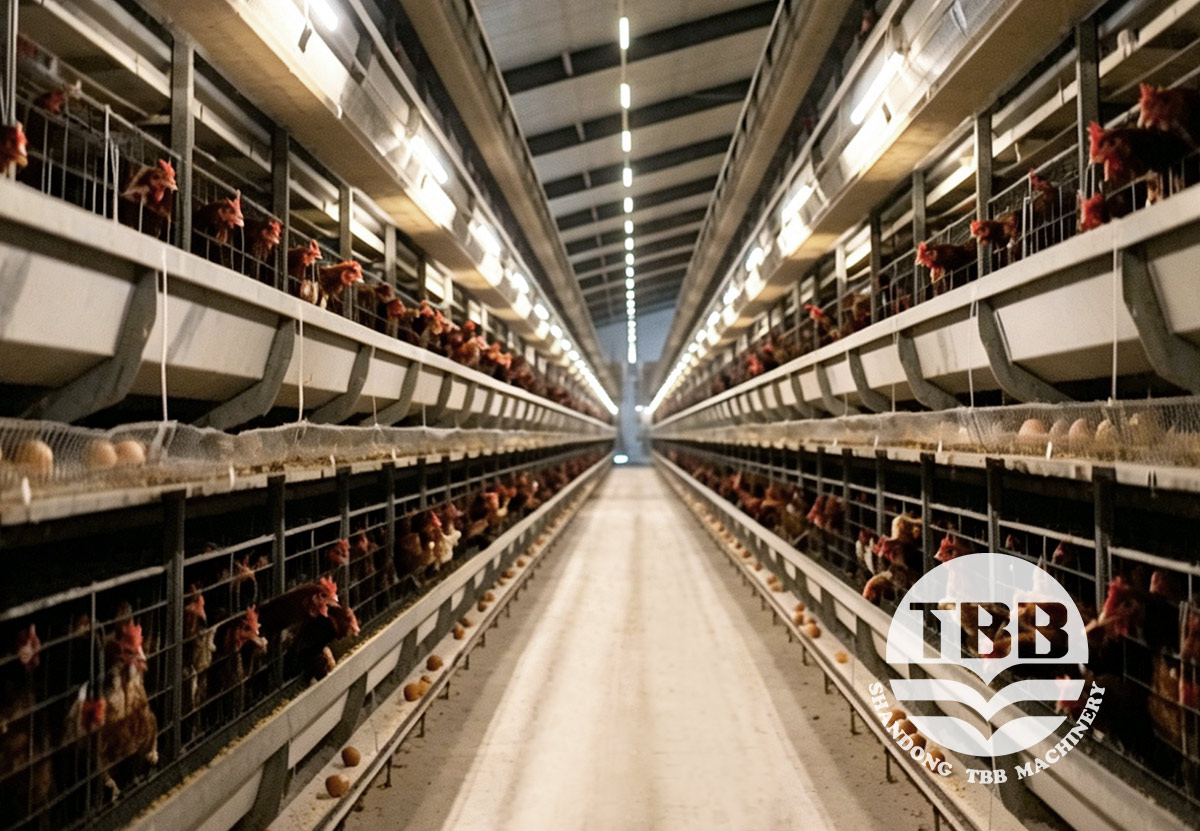
In the 40+ H-type cage projects we’ve delivered locally over the last three years, systems paired with automated manure drying and tunnel ventilation have consistently delivered 1.5 to 2 percentage points lower mortality during peak lay. Over a 50,000-bird flock, that’s not a rounding error. That’s real money in lost birds and lost egg output.
When you’re calculating the total setup cost of a layer chicken farm, don’t just add up the equipment deposit and shed construction. Price in downtime. Price in the cost of a feeder chain that jams twice a week while your hens are at 95% production — every skipped feeding cycle means eggs you’ll never recover.
Ask every supplier directly: What’s your galvanisation standard? If the answer is below 275g/m², walk away. Malaysia’s humidity doesn’t negotiate.
▶ The Regulation Shift: Why Enriched Cages Are Becoming Mandatory
Here’s something that doesn’t make it onto most poultry farming equipment brochures. Several major retail chains and food service buyers in the Klang Valley have started quietly inserting welfare clauses into new supply contracts — clauses that effectively mandate enriched colony cage standards within the contract period. The Department of Veterinary Services isn’t standing still either; their regulatory alignment with OIE guidelines is gradual but unmistakable.
If you’re pouring capital into a house built to operate for 15 to 20 years, installing an enriched cage system from the start isn’t about being nice to chickens. It’s about not getting locked out of your own buyer base five years from now. I’ve watched farmers scramble to retrofit existing houses — it costs three times what doing it right the first time costs.
▶ Ventilation Design: The Make-or-Break Factor in Tropical Housing
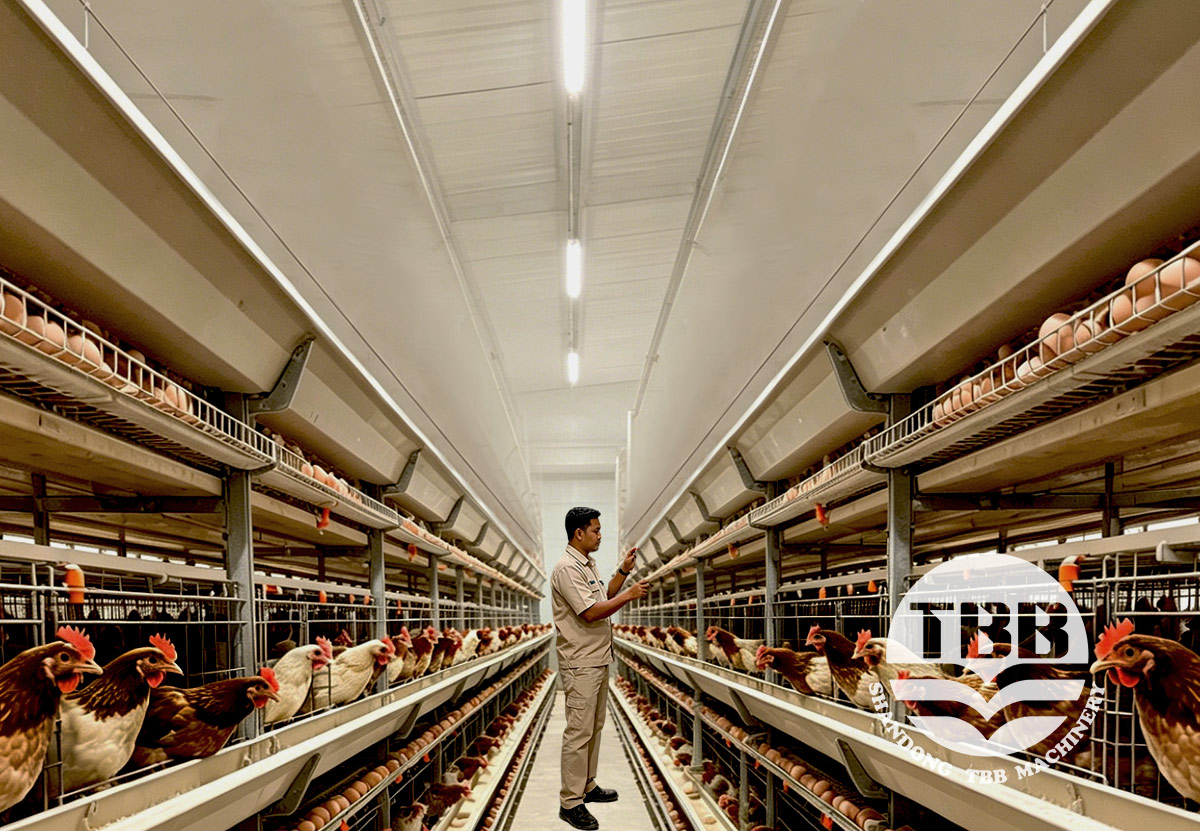
You can buy the best automated egg collection system on the market, but if your airflow layout is based on guesswork, you’ll still end up with hot spots, ammonia buildup, and uneven production curves across your flock.
Before you commit to any chicken farm equipment supplier, ask whether they’ll come to your actual site, map your prevailing wind direction, model your evaporative cooling pad sizing, and calculate cage row spacing for your specific microclimate. If they won’t, you’re buying a catalogue, not a complete farming system.
This is exactly why we include on-site ventilation design as standard for every project in Malaysia: a cage system is only as good as the environment it operates in.
What I’d do if I were in your position right now
Don’t start with quotes. Start with a site conversation with someone who’s seen enough Malaysian farms to know where the common pitfalls are.
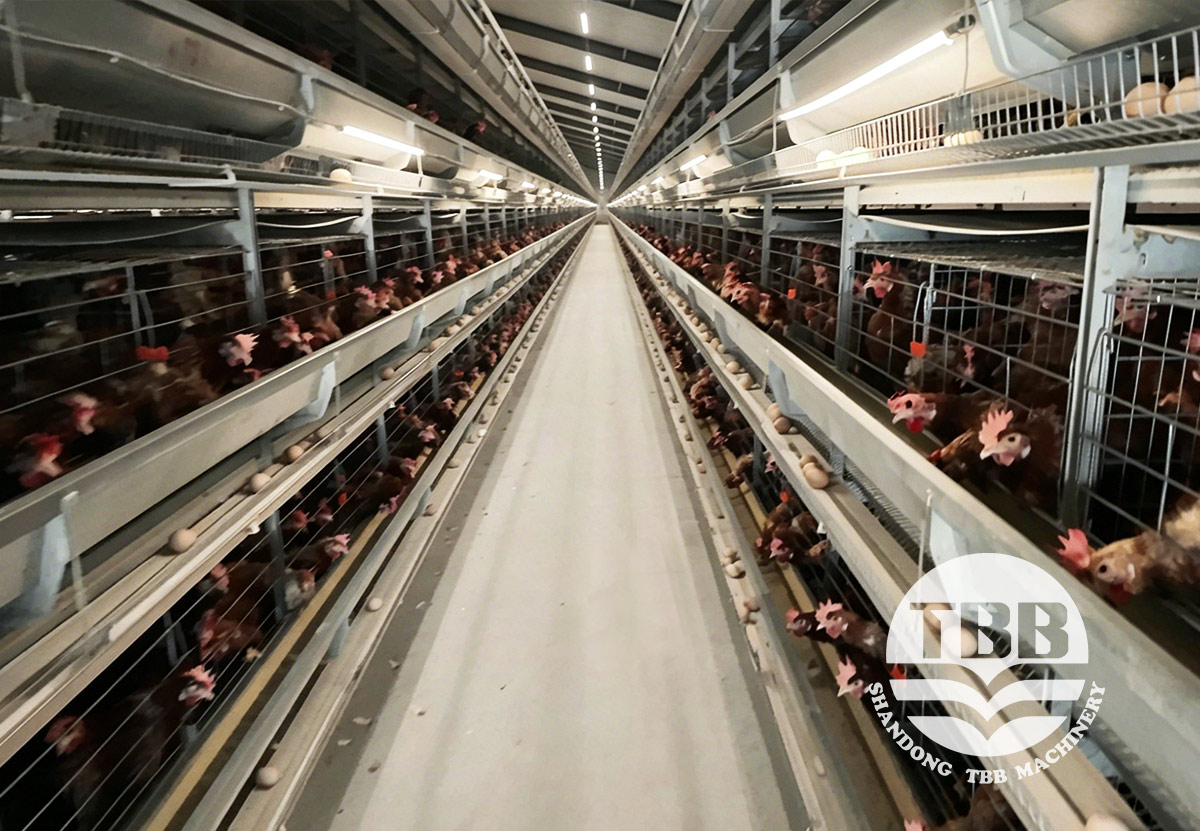
The good news is, 2026 supply chain pricing has shifted in ways that make this a surprisingly favourable window to invest — but only if the system is spec’d correctly the first time. Cut corners now, and you’ll pay for it for the next decade.
If you want to have that conversation, reach out to us directly. We’ll give you a no-obligation, custom project breakdown tailored to your farm, along with our sharpest pricing of the year — the kind of rate that usually doesn’t surface outside of year-end allocation windows.
It’s not a favour. It’s good business: a properly planned project costs us far less to support long-term, and we’d rather pass that margin on to you than burn it fixing avoidable problems later.
Right now, we have capacity to take on 7 more detailed site planning projects this quarter. Just send us a message with your farm location and target flock size, and we’ll get back to you within 24 hours with a clear next step. No pressure. No pestering. Just a straight conversation about getting your layer operation built right.
—— Shandong Tobetter Machinery Poultry Project Team