



News
Broiler Cage Systems: Key Features for High-Density Farming
Source: TBBView: 101Broiler Cage Systems: Key Features for High-Density Farming
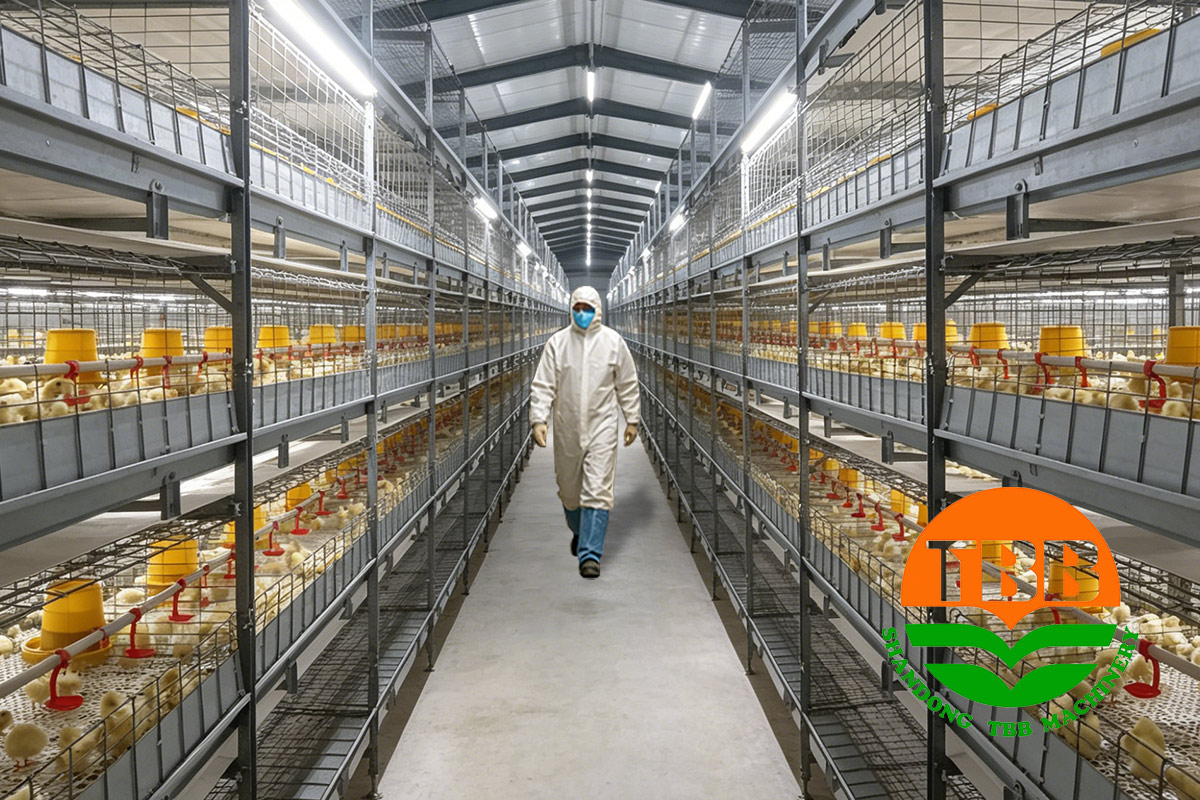
When broiler farmers plan a new project, one question comes up every single time: should we go with a cage system or stick with traditional floor housing? The honest answer depends on your land, your budget, and what kind of output you are aiming for. But if you are working with limited space and want to scale up without multiplying your labor force, high-density broiler cage systems deserve a close look.
This article breaks down the key features that separate a well-engineered broiler cage system from a generic metal box that technically holds birds. Whether you are planning a 5,000-head house or a 50,000-head commercial facility, understanding these features will save you money and headaches down the road.
Why High-Density Housing Is Changing the Game

Traditional floor systems typically house 8 to 12 birds per square meter. A well-designed multi-tier broiler cage system can push that to 40 birds or more on the same footprint. That is not just a marketing number - it translates directly into lower land costs, reduced heating expenses per bird, and a smaller management footprint.
For farmers in Southeast Asia, sub-Saharan Africa, and South Asia where land is expensive and labor costs are climbing, the economics of cage-based broiler farming are getting harder to ignore. More birds per square meter means better feed conversion, cleaner carcasses at processing, and less labor spent on litter management.
Cage Frame Construction: The Foundation Everything Else Sits On
A broiler cage system is only as good as the structure holding it together. Hot-dip galvanized steel is the industry standard for good reason - it resists corrosion from ammonia, moisture, and cleaning chemicals that are a daily reality in poultry houses.
Look for Q235 or Q345 structural steel that has been zinc-coated after welding, not before. The welding process removes the zinc coating at the join points, and those spots are where rust starts within 12 to 18 months. A properly coated cage should last 8 to 12 years in a well-maintained house.
Cage wire diameter matters too. Most commercial broiler cage systems use 3.0 to 4.0 mm wire for the floor grid. Thinner wire saves material cost but deforms under the weight of heavier birds, leading to breast blisters and condemnations at the processing plant.
Automated Feeding Systems: Saving Labor Without Sacrificing Performance
Manual feeding in a high-density house is a full-time job on its own. Automatic broiler feeding systems solve that by delivering feed continuously or at programmed intervals throughout the day.
Pan feeders vs. tube feeders
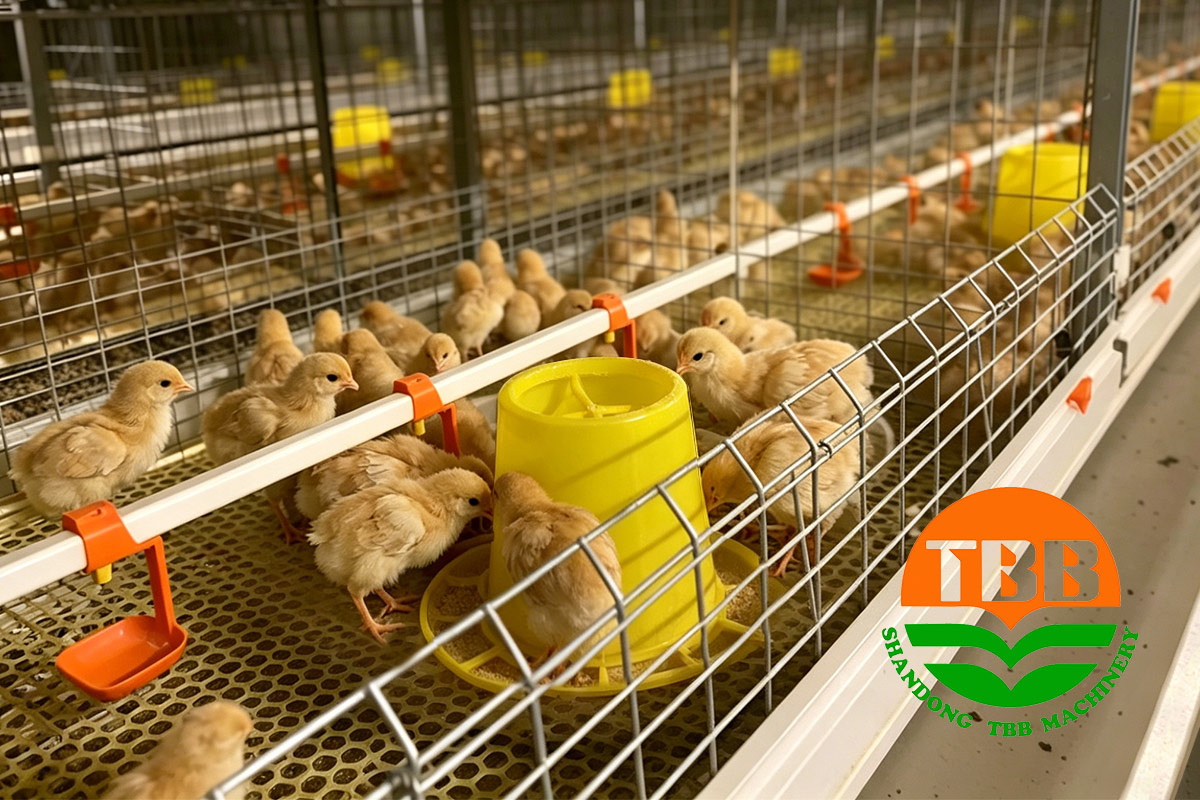
Pan feeders are generally preferred in cage systems for broilers because they allow more birds to eat at the same time and reduce feed wastage. A well-adjusted pan feeder sits just above shoulder height of the birds, allowing them to reach the feed without wasting it. Tube feeders work better in smaller operations or for starter phases.
Feed lines and hoppers
The main feed line should be stainless steel or PVC-coated to prevent rust. Galvanized feed lines corrode faster when they come into contact with wet feed, especially in humid climates. For tropical markets, this is a detail worth paying attention to - corrosion in feed lines leads to bacterial buildup and uneven feed distribution.
Nipple Drinking Systems: Why Water Delivery Matters More Than You Think
Water is the most underappreciated input in broiler production. A bird can survive longer without feed than without water, and the quality and delivery of water directly affects feed conversion and growth rates.
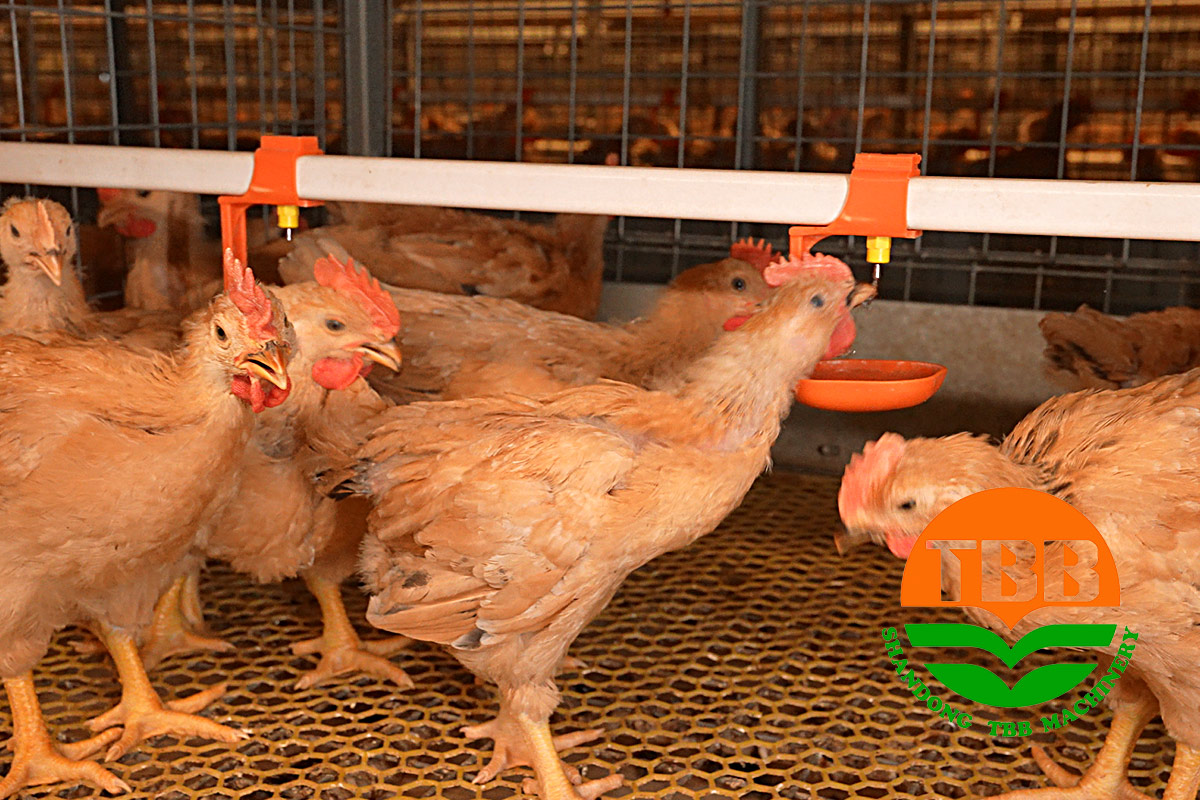
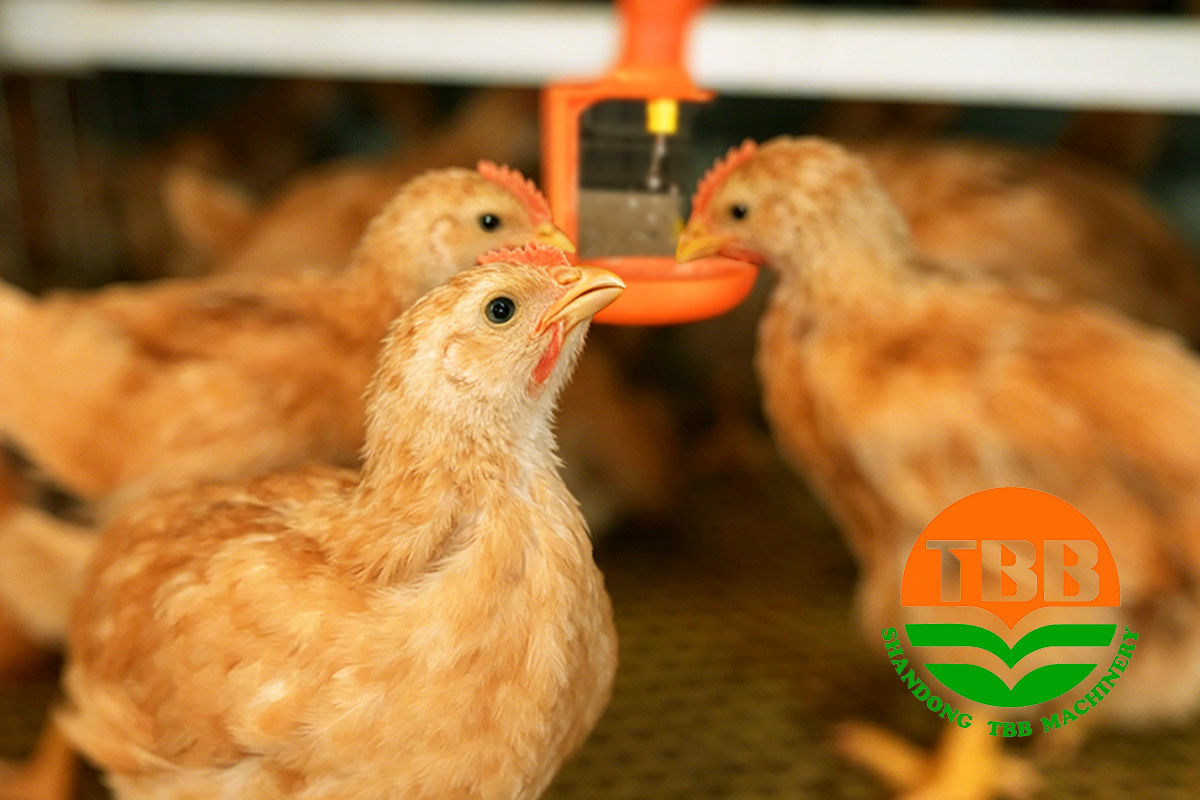
In a commercial broiler cage setup, nipple drinkers are the standard. But not all nipple systems are equal. Look for systems with 360-degree activation - birds can trigger the nipple from any angle, which reduces competition at the drinker. The drip cup attachment underneath each nipple is essential in the first week of brooding when birds are still learning to drink.
Water pressure regulators are often overlooked. Too high pressure and birds get wet, leading to wet litter and higher ammonia levels. Too low and birds do not get enough water to support rapid growth. A good regulator keeps pressure consistent across the entire line length.
Ventilation and Climate Control: Managing the House Environment
High-density housing concentrates birds in a smaller area, which means humidity, temperature, and ammonia buildup happen faster. Without proper ventilation, you will see increased respiratory issues, slower growth, and higher mortality.
Cross-ventilation vs. tunnel ventilation
For single-level or two-level cage systems, cross-ventilation with side-wall exhaust fans works well and costs less to install. For multi-tier systems with 4 to 8 levels, tunnel ventilation becomes necessary to move air fast enough to remove heat from the upper tiers where birds are more susceptible to heat stress.
Cooling pads and foggers
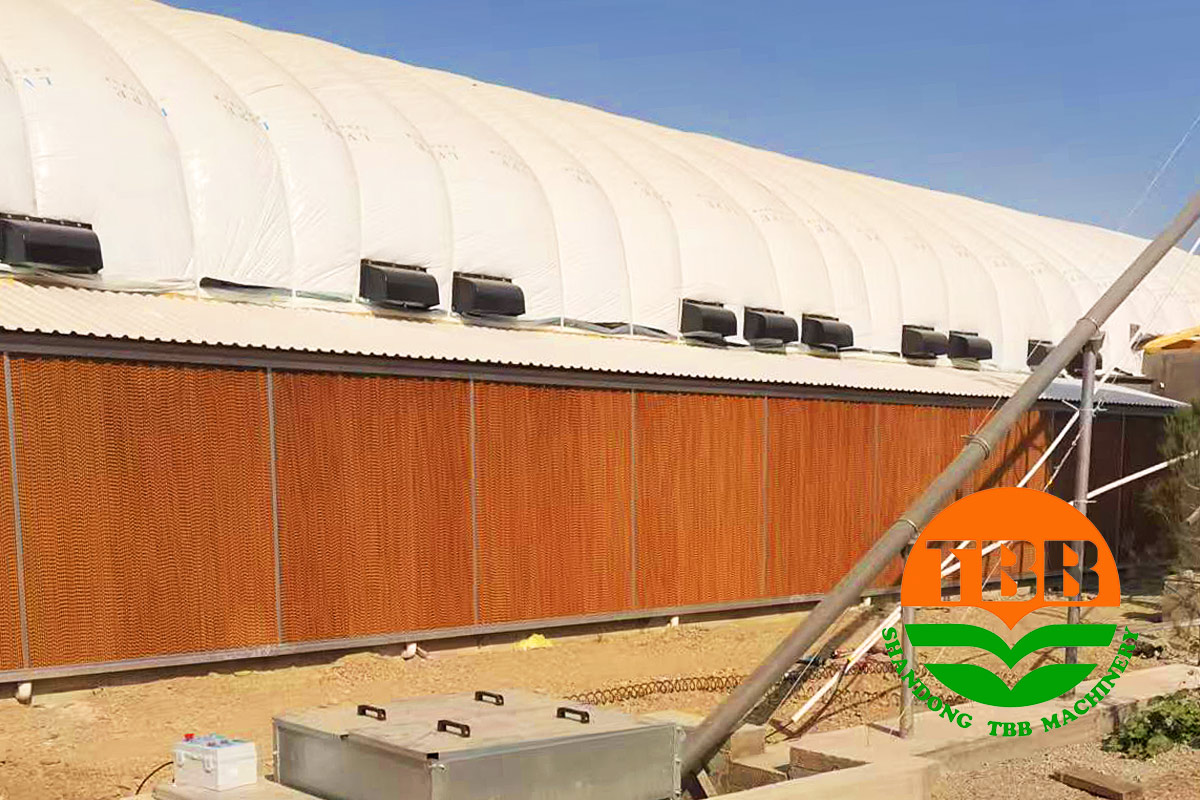
In hot climates - think Nigeria, Indonesia, or southern India - natural ventilation alone is not enough. Evaporative cooling pads at one end of the house combined with extraction fans at the other create a chimney effect that can drop house temperatures by 6 to 10 degrees Celsius. The investment pays back in better weight gain during hot seasons.
Manure Removal: A Quiet Advantage of Cage Systems
One of the biggest advantages of cage systems over floor housing is how manure is handled. In a cage, manure drops through the wire floor and falls onto a manure belt or into a collection pit below. Birds are never in direct contact with their waste.
Manure belt systems use PVC or polypropylene belts that carry waste to one end of the house where it is automatically scraped off. The system keeps ammonia levels low, reduces fly and odor problems, and produces drier manure that can be composted and sold as organic fertilizer - a small revenue stream that floor systems rarely offer.
Brooding Setup: Getting Day-Old Chicks Off to the Right Start
The brooding phase - typically the first 7 to 10 days - is where flock performance is decided. In a cage system, the brooding area needs extra attention because birds cannot huddle under a brooder lamp the way they would in floor housing.
Effective brooding management in cage systems means providing uniform temperature across all tiers. A temperature gradient of more than 2 degrees Celsius between the top and bottom tiers will cause uneven growth and flock uniformity problems at processing age.
Infrared gas brooders or electric radiant heaters are preferred for multi-tier cage houses because they heat birds directly rather than warming the air first. This is especially useful in large, open houses where air temperature alone struggles to reach birds on the lower tiers.
Choosing the Right Cage Dimensions for Your Project
Cage dimensions are not one-size-fits-all. The number of tiers, cage width, and floor space per bird all affect production performance and labor efficiency.
Common configurations for commercial broiler cage systems include 3-tier and 4-tier stacked systems. A 4-tier system in a standard 12-meter-wide house can house 15,000 to 20,000 broilers per row. Adding more tiers increases capacity but requires more sophisticated ventilation and feeding systems to maintain performance.
Floor space recommendations vary by target slaughter weight. For birds raised to 2.0 to 2.5 kg, allocate 400 to 450 square cm per bird. For heavier birds above 3.0 kg target weight, increase to 500 to 550 square cm to reduce leg problems and improve uniformity.
What to Look for When Evaluating Manufacturers
The global market for automatic broiler feeding systems and cage equipment includes suppliers from China, Europe, and North America. European equipment tends to be more refined but comes with a significant price premium. Chinese manufacturers have closed the quality gap considerably over the past decade while offering more competitive pricing.
When evaluating a supplier, look for third-party certifications like ISO 9001 for quality management and CE marking for safety standards. Ask to review reference projects in your target market - a manufacturer with successful installations in similar climate zones to yours will face fewer surprises during your installation.
Lead times matter too. A reputable manufacturer should be able to deliver a complete cage system within 30 to 45 days after order confirmation, with installation documentation and on-site commissioning support included.
Is a Broiler Cage System Right for You?
High-density broiler cage systems are not a magic solution. They require a higher upfront investment and more careful management than floor systems. But if you are serious about scaling your operation, maximizing your land use, and reducing long-term labor costs, the math works in your favor.
The features covered in this article - steel quality, feeding automation, water systems, ventilation, and manure management - are the components that separate a profitable system from a frustrating one. Investing time in evaluating these details before you sign a purchase agreement will pay dividends for years.
Ready to Explore the Right Broiler Cage System for Your Farm?
If you are planning a new poultry house or upgrading an existing facility, reach out to us today. We supply commercial-grade broiler cage systems and automatic feeding equipment to farms across Southeast Asia, Africa, and beyond. Our team will send you a detailed specification sheet and a competitive quotation tailored to your project.
Contact us right now - we are offering our best price of the year for orders placed this quarter.