



News
Philippines Poultry Industry: Opportunities for Modern Farms
Source: TBBView: 148Philippines Poultry Industry: Opportunities for Modern Farms
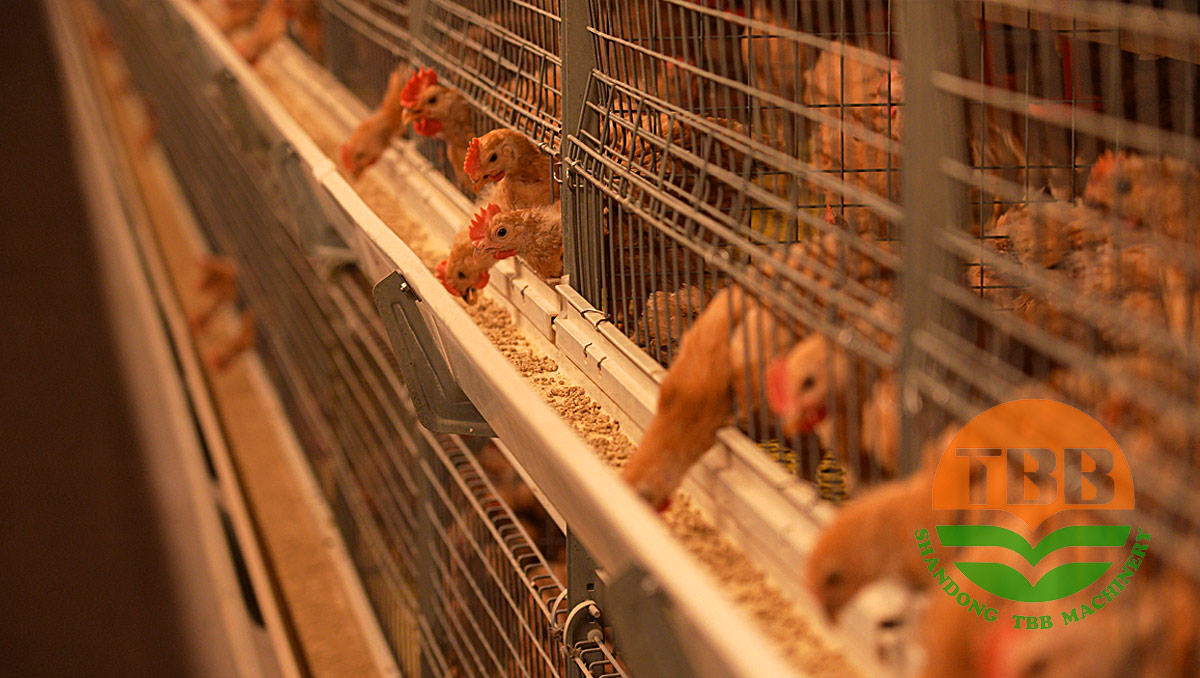
The Philippine poultry sector is no longer just a staple of backyard farming — it is fast becoming one of Southeast Asia's most promising destinations for modern poultry investment. With chicken and egg production posting record-breaking numbers year after year, the question is shifting from "should you invest" to "how soon can you break ground."
Record-breaking production and solid fundamentals
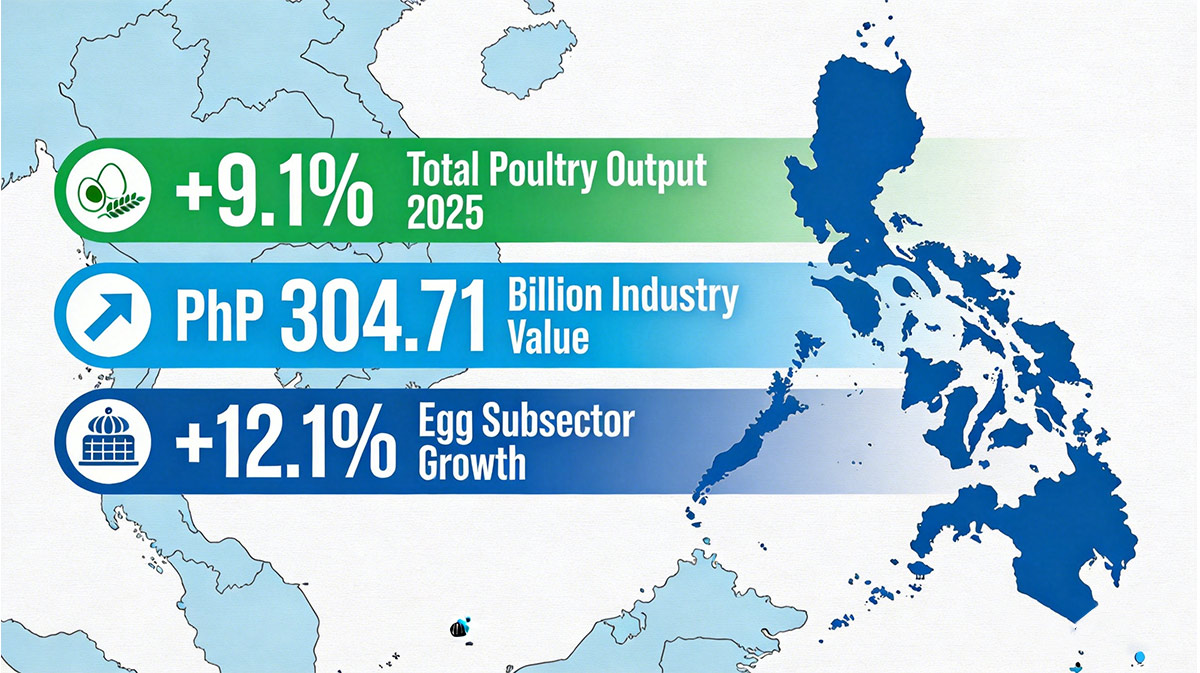
The numbers speak for themselves. Philippine poultry production in the first quarter of 2025 reached 711,160 metric tons, a 9.3 percent year-on-year increase, with the chicken egg subsector surging by 12.1 percent and chicken meat climbing 8.7 percent. For the full year 2025, total poultry output hit 3.21 million tons, up 9.1 percent from the 2.94 million tons recorded in 2024. On the value side, the industry generated PhP 304.71 billion — placing poultry among the brightest spots in Philippine agriculture. Poultry alone accounted for roughly 16 percent of the country's total agricultural output, a share that continues to grow as crops and livestock wrestle with weather and disease challenges.
Why climate-controlled poultry housing changes the game
The single biggest differentiator between a struggling operation and a thriving one is housing technology. Tunnel-ventilated poultry buildings with evaporative cooling, cross ventilation, and environmental monitoring have become the standard for anyone serious about commercial broiler production in the Philippines’ tropical climate. Major players — Charoen Pokphand Foods (CPF), San Miguel Foods, and a wave of mid-sized domestic operators — are pouring capital into tunnel-ventilated poultry farm construction.
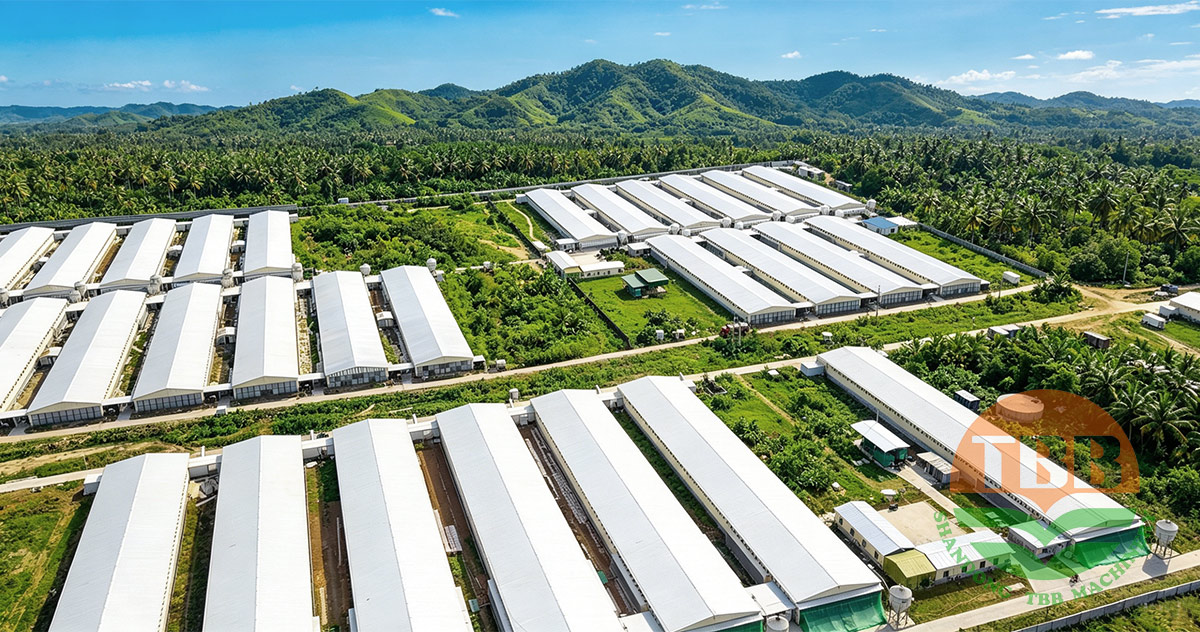
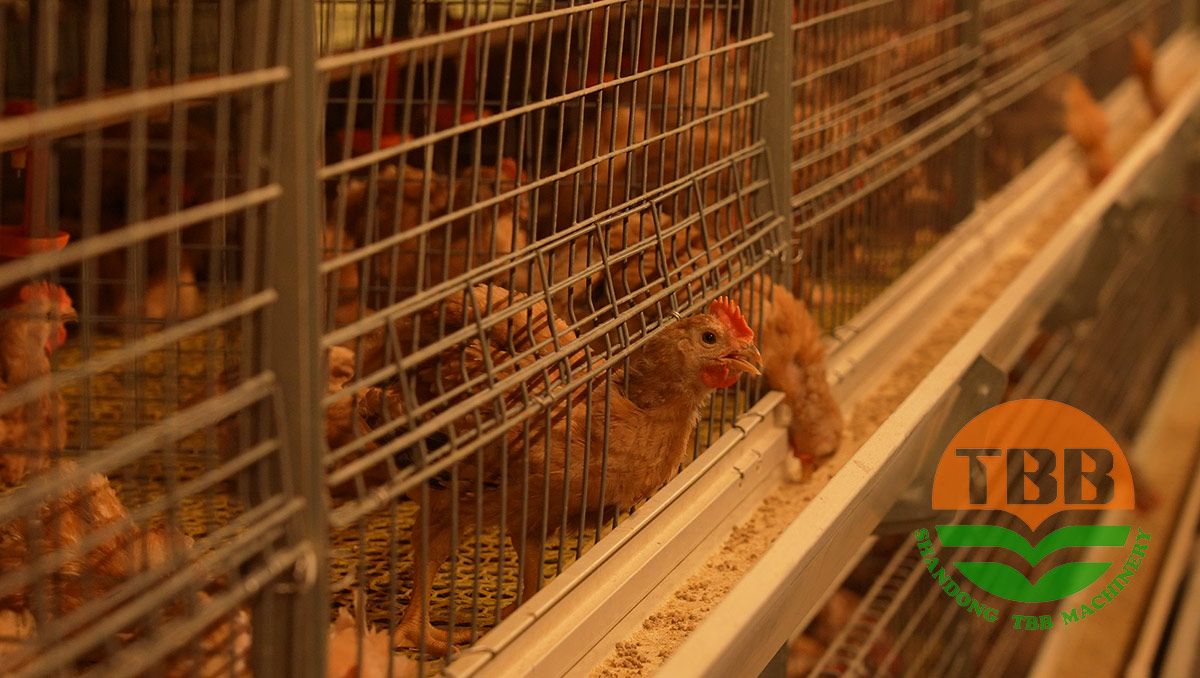
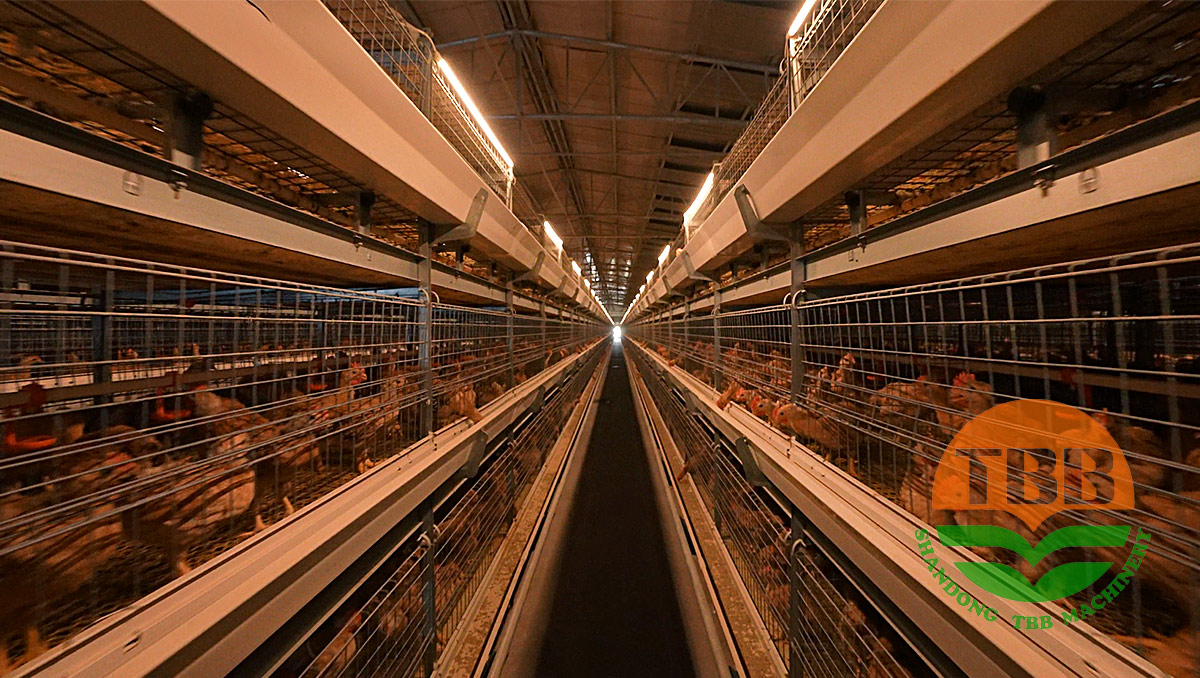
The profitability advantage is striking. Research comparing climate-controlled broiler housing with conventional systems found the controlled-environment setup delivered PhP 14.69 in revenue per bird versus PhP 11.96, with return over total expenses reaching 150 percent compared to just 84 percent for conventional housing. A national survey of commercial broiler farms in the Philippines confirmed that the most commonly used housing type today is the climate-controlled system with elevated plastic slatted flooring, achieving better feed conversion ratios and higher broiler performance efficiency indexes than open-sided housing.
Technology is transforming Philippine broiler farm management
The conversation around smart poultry farming in the Philippines is gaining real traction. The Department of Science and Technology recently funded a PhP 4.98 million collaborative research project called ChicIoT — an IoT-based smart poultry building monitoring system that uses wireless sensor networks and computer vision to track broiler growth rates, feed conversion, and environmental conditions in real time. For investors, this signals a market that is ready to leapfrog — not just adopt, but innovate.
Government incentives are reshaping the investment landscape
In late 2025, President Ferdinand Marcos Jr. signed the Animal Industry Development and Competitiveness Act (Republic Act 12308), creating an Animal Competitiveness Enhancement Fund worth PhP 20 billion annually over the next ten years. Of that, 20 percent is earmarked specifically for poultry repopulation and herd build-up. The law also channels PhP 7 billion per year into modernizing post-harvest infrastructure — slaughterhouses, cold storage, and logistics — and PhP 1.8 billion for biosecurity and disease recovery. For anyone looking at poultry farm investment opportunities in the Philippines, this amounts to a decade-long government co-investment signal.
Newcastle disease prevention, avian influenza control, and biosecurity support
Animal health governance has been overhauled, with the Bureau of Animal Industry now holding exclusive regulatory authority over veterinary drugs, biologics, and poultry vaccines, streamlining what was previously a fragmented approval process. The government is accelerating vaccine development for Newcastle disease and avian influenza, with the explicit goal of reducing dependence on foreign supplies and strengthening national biosecurity protocols.
Supply chain infrastructure and feed cost dynamics
Post-harvest infrastructure is expanding rapidly. A USD 8.5 million cold storage facility was recently inaugurated in the Bicol region to help poultry and livestock farmers preserve products and stabilize market prices. On the feed side, the Philippines is projected to import over 3.25 million metric tons of soybean meal in marketing year 2026/27, driven primarily by broiler and layer sector demand. Feed millers continue to anchor formulations on soybean meal for crude protein specifications, and industry contacts confirm that broiler and layer rations carry the highest soybean meal inclusion rates among all major feed types. Corn — the other backbone of poultry feed — remains a watchpoint, with some projections showing a possible 156,636 MT shortfall from the targeted 3.2 million MT output, underscoring the importance of supply chain planning.
Large-scale poultry production capacity is scaling fast
The project pipeline tells its own story. CPF Philippines is building a USD 8.5-million tunnel-ventilated broiler farm in Bataan, with commercial operations expected by January 2029. Another CPF joint venture — a 22-hectare poultry complex in Zamboanga City — broke ground in March 2026 and is expected to begin egg production by late 2026, generating local employment and strengthening the agricultural value chain in Mindanao. Meanwhile, Nueva Ecija-based Jerjjek Agri Venture is investing PhP 160 million to expand broiler capacity from 124,000 to 320,000 heads, adding four tunnel-ventilated poultry buildings. These are not speculative announcements — they are concrete developments reshaping the Philippine commercial poultry landscape.
A protein consumption story with staying power
Filipino households continue to lean heavily on poultry as their most affordable and accessible animal protein. Industry demand is being propelled by population growth, ongoing urbanization, and changing dietary preferences — all of which place poultry squarely at the center of the country's food security strategy. Globally, chicken consumption is projected to expand by 2.5 to 3 percent in 2026, following a 3.5 percent increase in 2025, reinforcing the commodity's long-term demand outlook.
The window is open — and it won't stay open forever
Modern poultry operations — climate-controlled broiler housing, automated egg collection, smart monitoring, and integrated biosecurity — are rapidly becoming the baseline for anyone serious about profitability in the Philippine market. The combination of strong local demand, sustained government support, and proven financial returns makes this one of the most compelling agricultural investment stories in the region right now.
Whether you are an established integrator looking to expand into Southeast Asia or a domestic operator ready to upgrade from conventional to tunnel-ventilated systems, the numbers favour acting sooner rather than later.
Ready to explore your options in Philippine poultry farming? Contact us today and ask about our most competitive package of the year — designed specifically for investors looking to build or modernize poultry operations in the Philippines. Spots are limited, and our best rates won't last.