



News
Oman's Poultry Puzzle: Imported Meat vs Local Production
Source: TBBView: 60Oman's Poultry Puzzle: Imported Meat vs Local Production
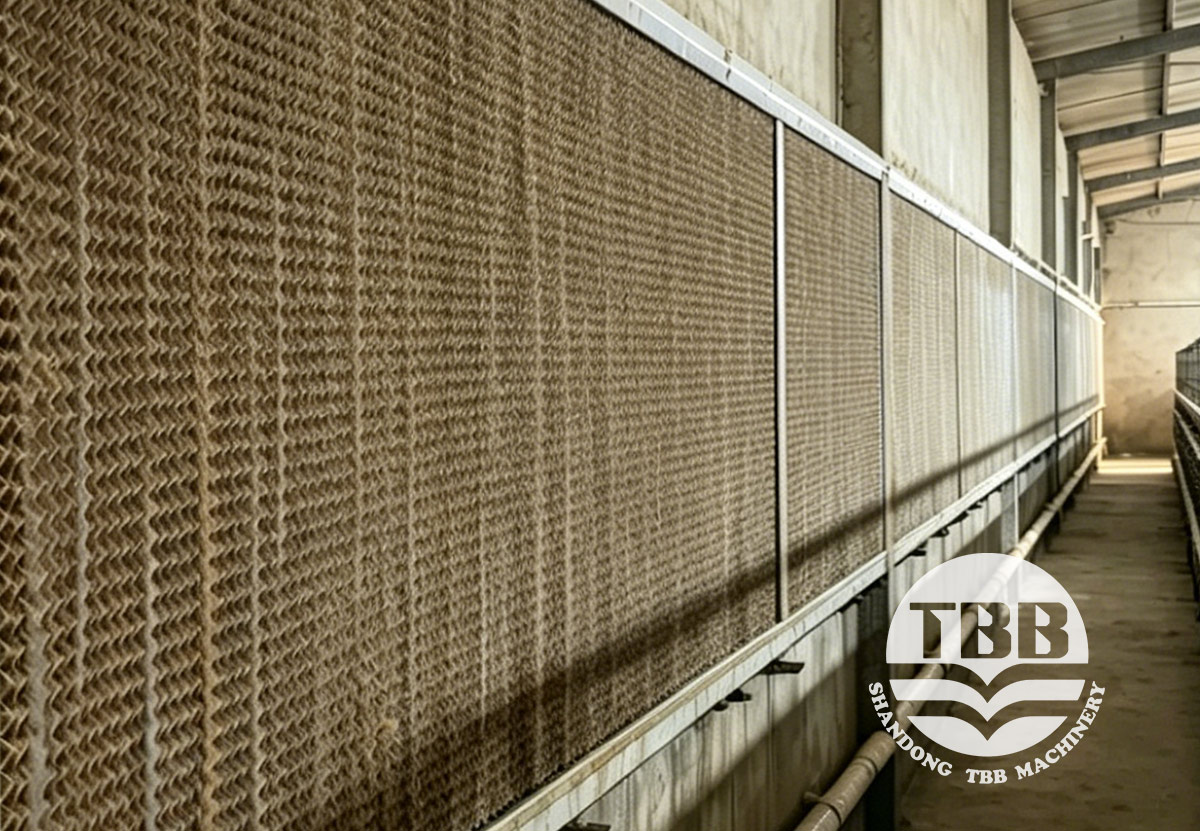
Last month, I sat with the operations manager of a broiler farm in Al Batinah. He pulled up his supplier's spec sheet and pointed to the cooling pad sizing — undersized by 30% for his shed volume. "I've been wondering why summer mortality keeps hitting 15%," he said. The answer was in a catalogue he'd never questioned.
That conversation sums up Oman's poultry challenge. It's not simply about raising more birds. It's a tangle of feed economics, consumer habits, cold chain gaps, and equipment decisions that keep importers and local producers locked in a high-stakes balancing act.
▶ The Local vs Imported Price Gap
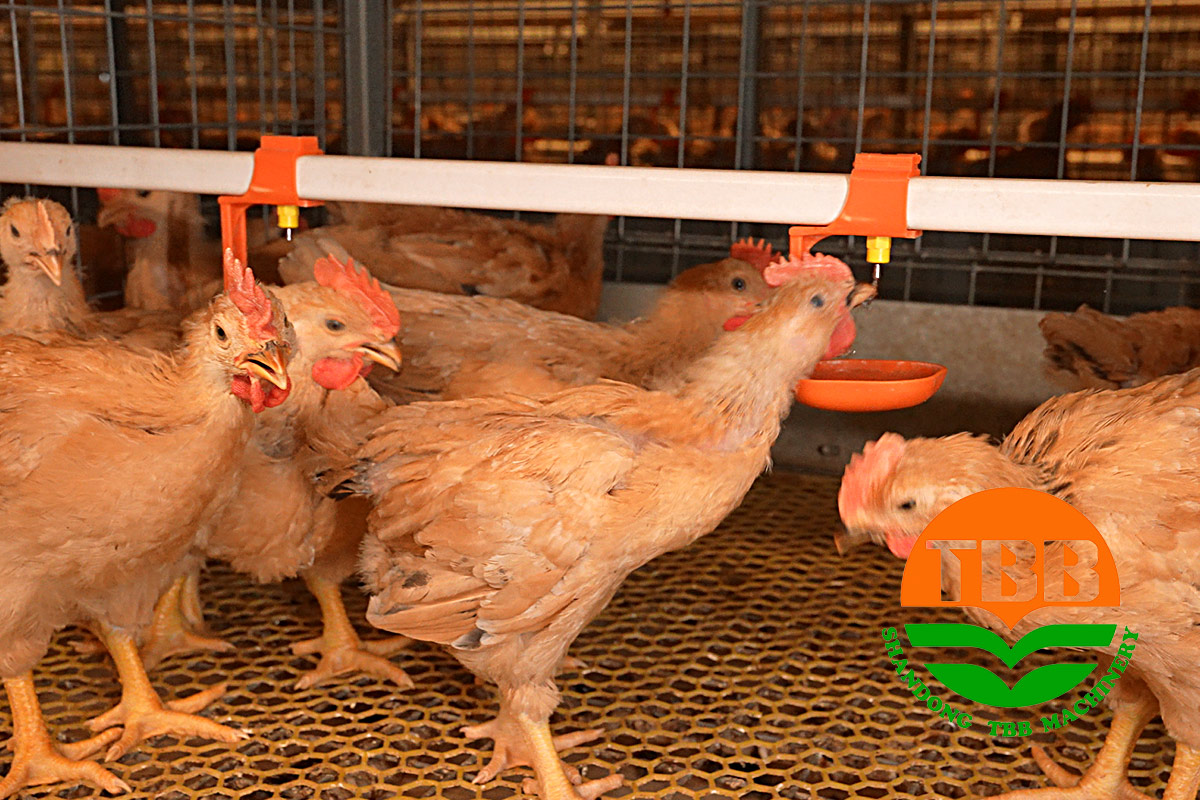
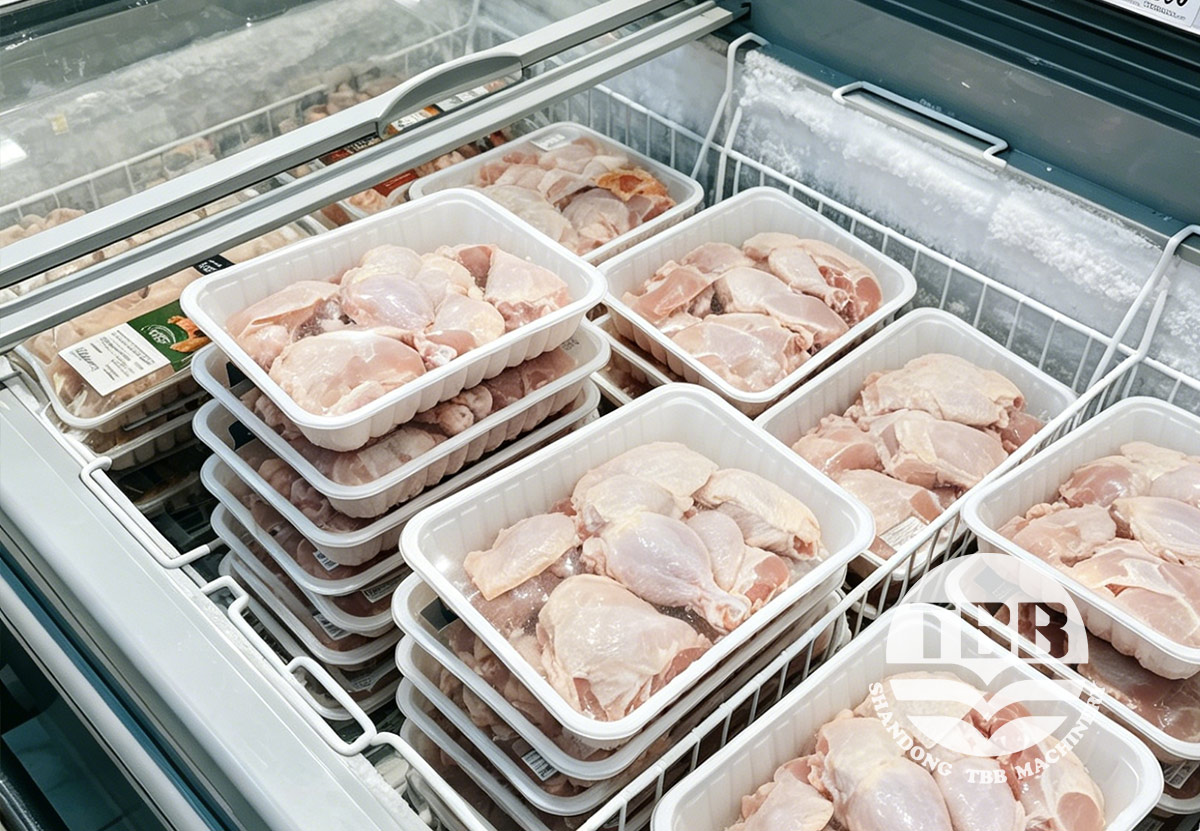
Walk through any hypermarket in Muscat and you'll see the split. Brazilian frozen leg quarters sit in open freezers, while a few metres away locally farmed fresh chicken — often from A'Saffa Foods or Dhofar-based producers — commands a premium of roughly 25 to 35%. Local broiler production now meets about 40% of fresh chilled demand, but the price-sensitive household still reaches for the imported bird. Omanis say they want local; their shopping baskets vote for the lower per-kilo cost.
▶ The Feed Constraint
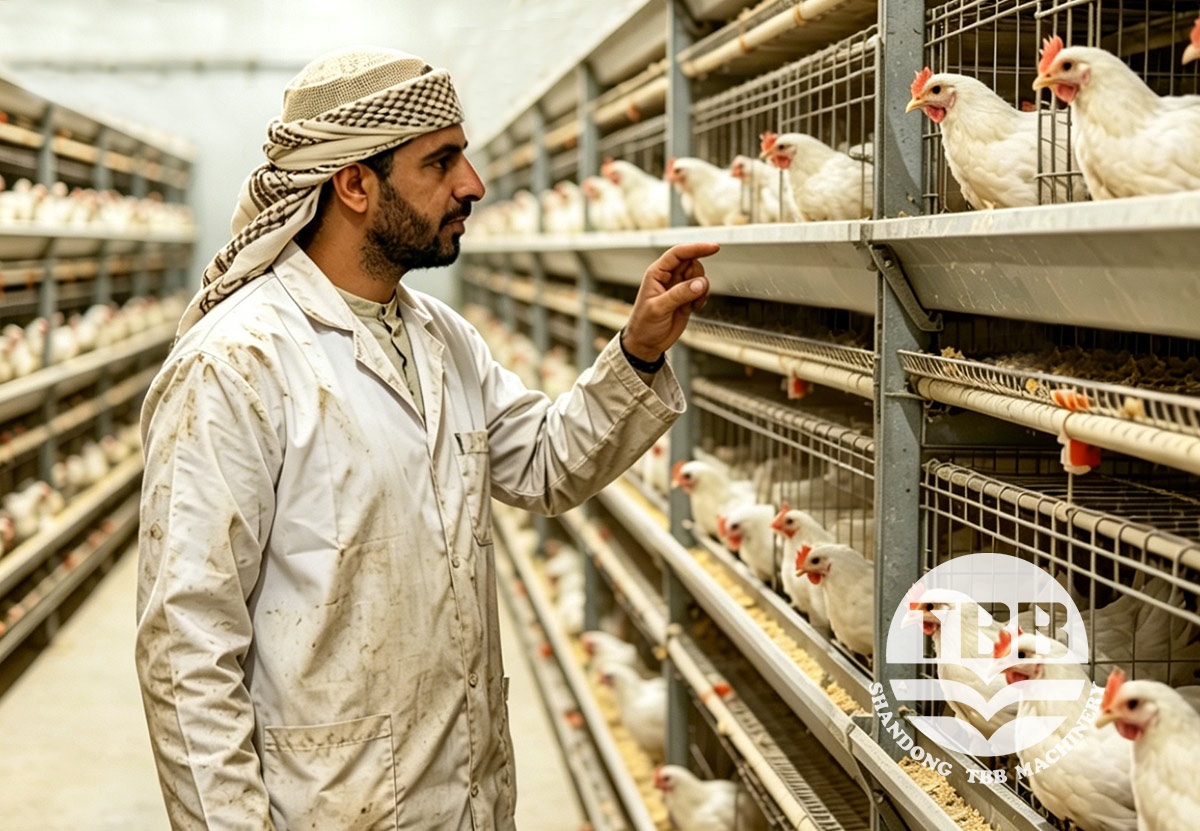
Feed is the heaviest constraint. Oman imports virtually all its maize, soybean meal and feed additives, so production cost swings with every freight rate spike. A broiler feed conversion ratio that rises 0.2 points during the Gulf summer adds roughly 150 baisa per bird in extra feed cost — enough to erase the margin on a flock. Large farms are narrowing the gap with tunnel-ventilated housing and automated feeding lines, but a stubborn cost differential persists: locally grown chicken still costs 30 to 40% more to produce than the landed price of Brazilian frozen equivalents.
▶ Infrastructure & Cold Chain Gaps
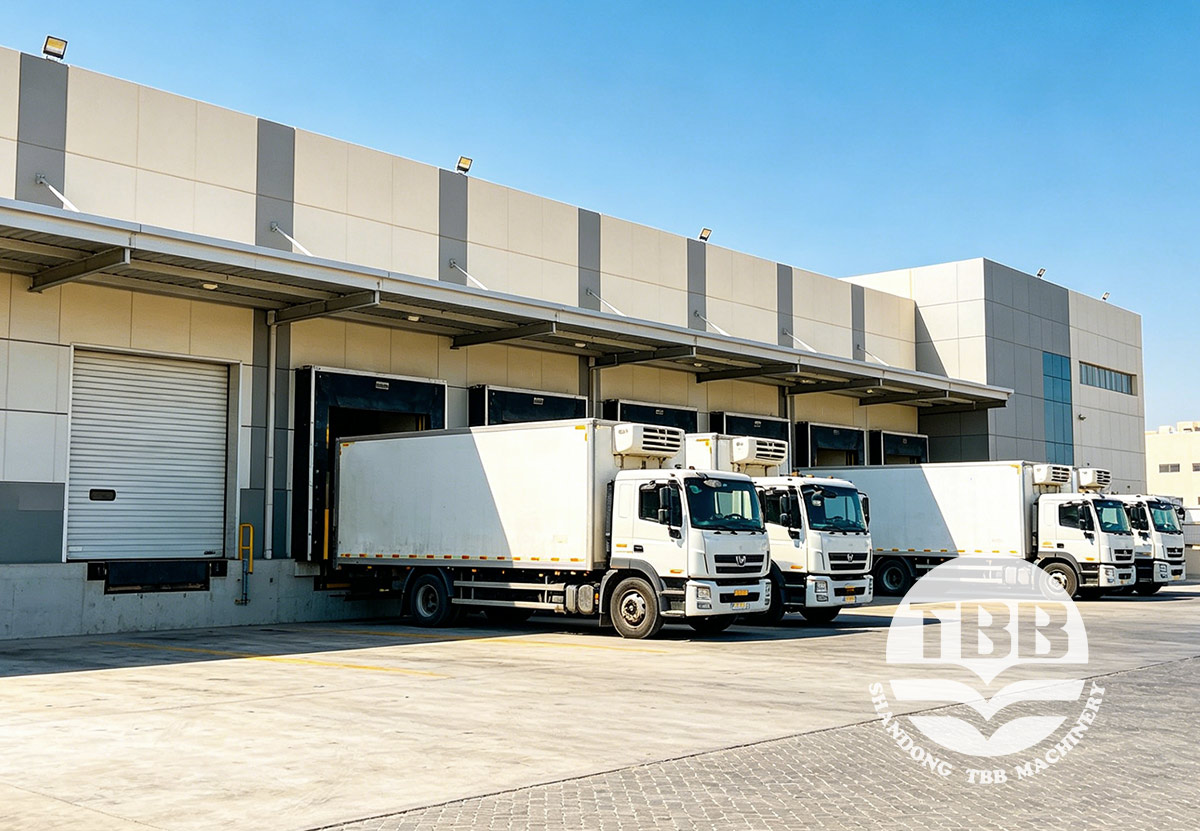
Infrastructure adds its own riddle. A seamless halal supply chain demands unbroken refrigeration from hatchery to household, yet last-mile cold chain logistics in interior regions like Al Dakhiliyah can erase margins in hours. New cold storage in Sohar and Muscat is helping, and integrated processors are building their own distribution fleets. But for most mid-sized farms, the cost of maintaining chilled distribution is the single biggest reason they can't push more volume into retail.
▶ Policy: Vision 2040 & Trade Measures
Policy is both an enabler and a wildcard. Under Oman Vision 2040, food security targets push self-sufficiency higher. Temporary import bans on live birds have been used as biosecurity shields during avian influenza outbreaks. Subsidies on animal feed offer breathing room, though officials are cautious: a permanent import ban on frozen chicken would spike retail prices and draw public backlash. Instead, the Ministry is coaxing contract farming models and private investment into integrated projects, while ensuring imported chicken meets the same halal standards as local slaughter.
▶ Trade Dynamics & Consumer Awareness
Trade dynamics sit in the background. Oman's deep-water ports give it the skeleton of a GCC poultry re-export hub, but fragmented cold storage and competition from UAE processors hold it back. Over-reliance on imported poultry leaves retailers exposed — a single supply interruption at a Brazilian plant can empty freezer shelves within a week.
Consumer awareness is the last piece. Many shoppers can't tell defrosted imported from genuine fresh chilled, and labelling isn't always clear. Slowly, retailers are adding origin and slaughter date to packaging, and hotel chains are starting to specify Omani chicken in procurement tenders. These small shifts, multiplied across thousands of daily purchases, may ultimately do more for local consumption than any subsidy programme.
The market isn't heading toward a pure local-versus-imported showdown. It's moving toward integration — strategic import quotas filling demand gaps while domestic processing expands, feed mill investments cut input costs, and cold chain upgrades make fresh Omani chicken competitive on every shelf.
If you're mapping your next move in this market — feed supplier, cold chain investor, or food service buyer — I can help you read the landscape. Contact me and mention this article. I'll put together a tailored market overview at this year's most competitive rate.