



News
Myanmar Poultry: Low Budget, High Grit — A Survival Guide
Source: TBBView: 185Myanmar Poultry: Low Budget, High Grit — A Survival Guide
Maize jumped 40% last quarter. The kyat dropped another 5%. Against that backdrop, running 50,000 layers in Myanmar is not about spending less. It's about spending every kyat on systems that don't stop working.
▶ Climate Control Pays for Itself — Ko Soe's Heat Stress Solution
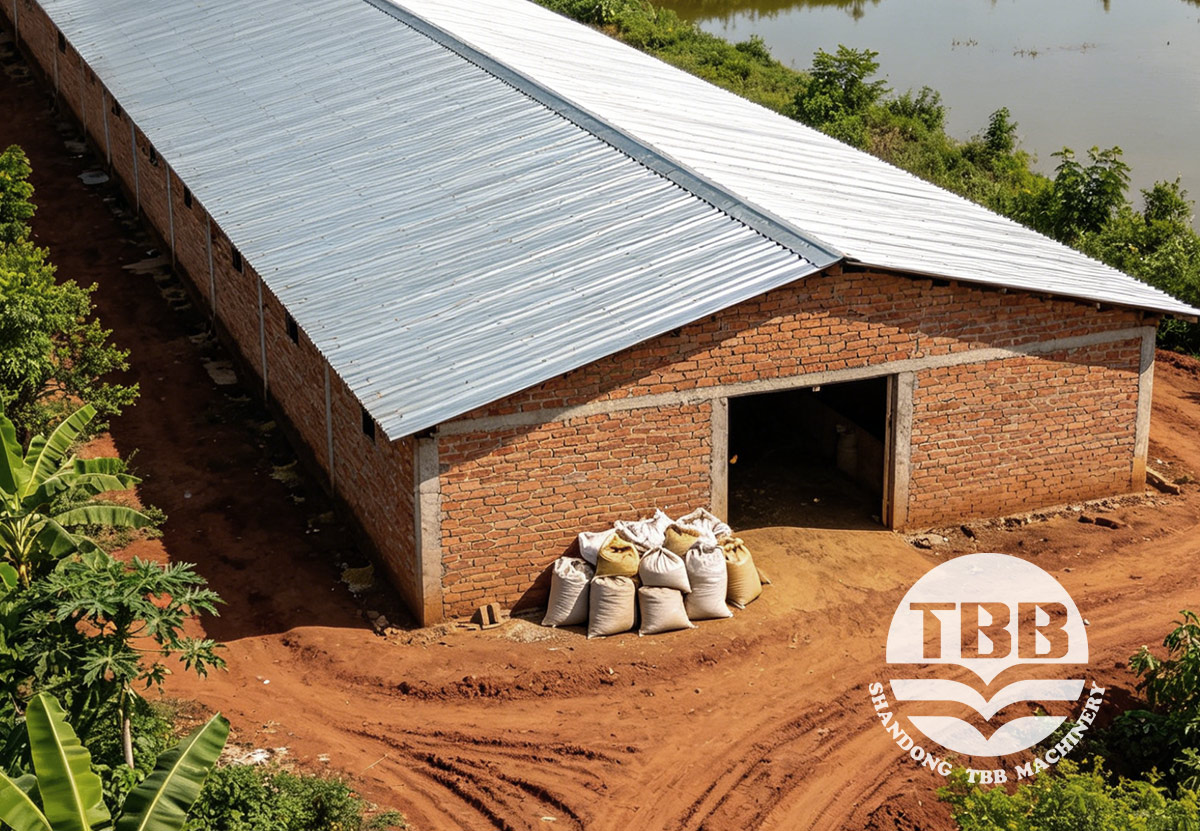
Take Ko Soe. He runs 45,000 broilers near Bago in a tunnel-ventilated shed. Last summer, a single hot week pushed his feed conversion ratio from 1.65 to 1.85 — a swing that cost him over 2,000 USD in extra feed before he caught it. That week convinced him to install an entry-level climate controller paired with cellulose cooling pads and large-diameter exhaust fans. The following season, his heat-related mortality dropped from 4% to under 0.8%. The controller paid for itself in two months.
▶ Automatic Feeding System — Consistency Across Every Square Metre
Feed is the biggest line item on any Myanmar poultry operation, and labour used to be second. A crew of twelve struggled to keep consistent feeding cycles across Soe's house, and by day 35, uneven body weights were cutting into every margin. He installed an automatic pan feeding system linked to an external feed bin. Now delivery runs on a timer, every square metre receives identical rations, and final-week mortality dropped by over two percent. Across six batches a year and 45,000 birds, the saving covered the entire installation within fourteen months.
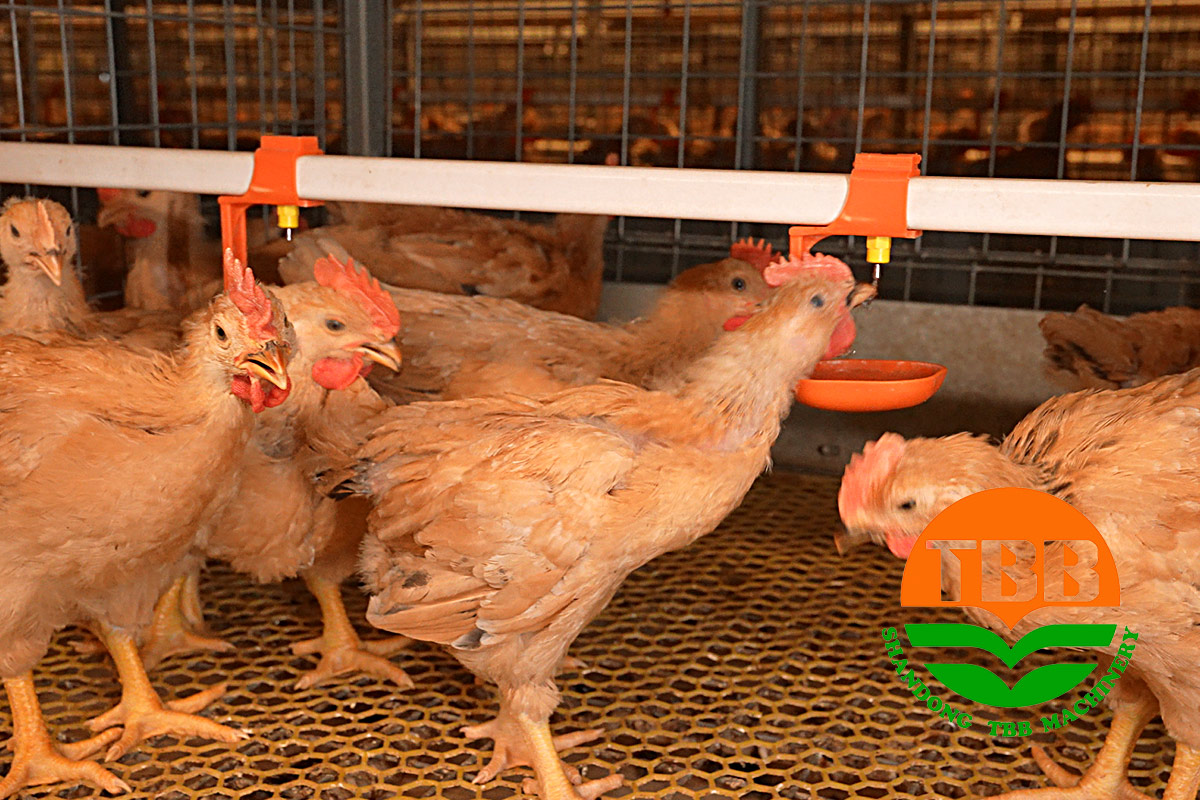
▶ Nipple Drinking System — Solving the Water and Ammonia Problem
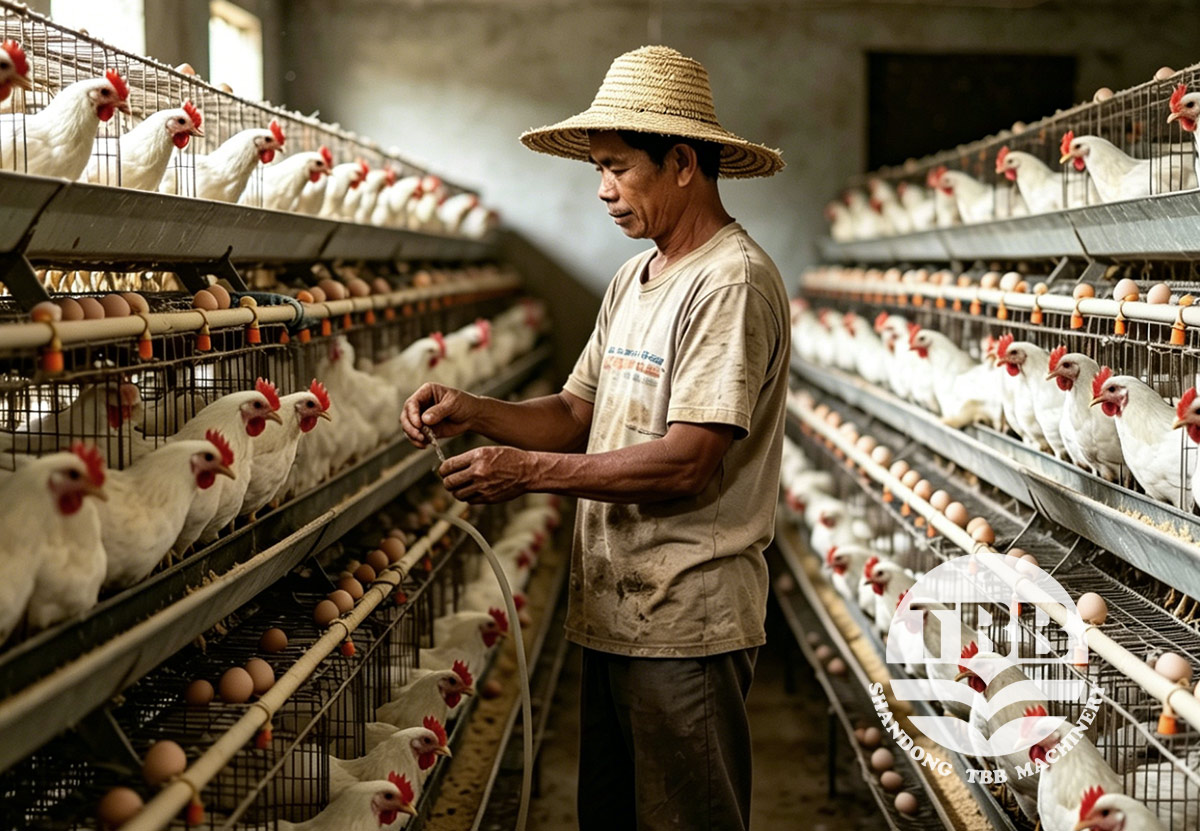
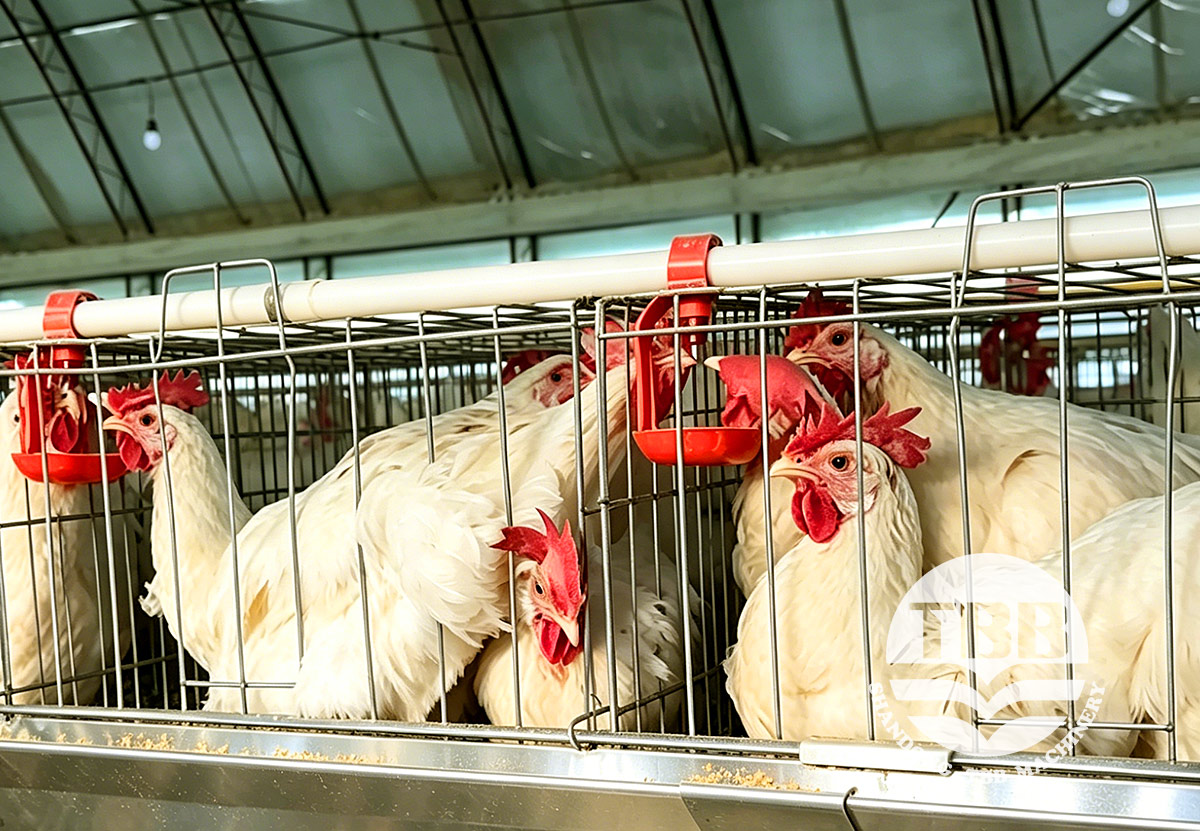
Water is the other silent problem. In a 40,000-bird layer complex, traditional bell drinkers leave litter wet, spike ammonia levels, and trigger respiratory stress that cuts egg production. Switching to a high-flow nipple drinking system with pressure regulators and catch cups solves it at the root. Litter stays dry, vaccines perform better, and egg counts climb. A Mandalay producer running 30,000 layers reported daily water consumption dropped 22% after the change — birds drank what they needed instead of splashing it onto the floor. For any farm above 20,000 birds, automated nipple lines are a prerequisite, not a luxury.
▶ Heat Stress: The Seasonal Thief and the Automation Answer
Heat stress is the industry's biggest seasonal thief. Without automated climate control, a 30,000-bird tunnel-ventilated shed can see FCR spike 0.2 points in a single hot week. Integrated environmental control systems — combining exhaust fans, cooling pads, and a temperature-humidity controller — now pay for themselves across most mid-size and large farms before the first summer ends.
▶ Automated Egg Collection — From Daily Crisis to Predictable Process
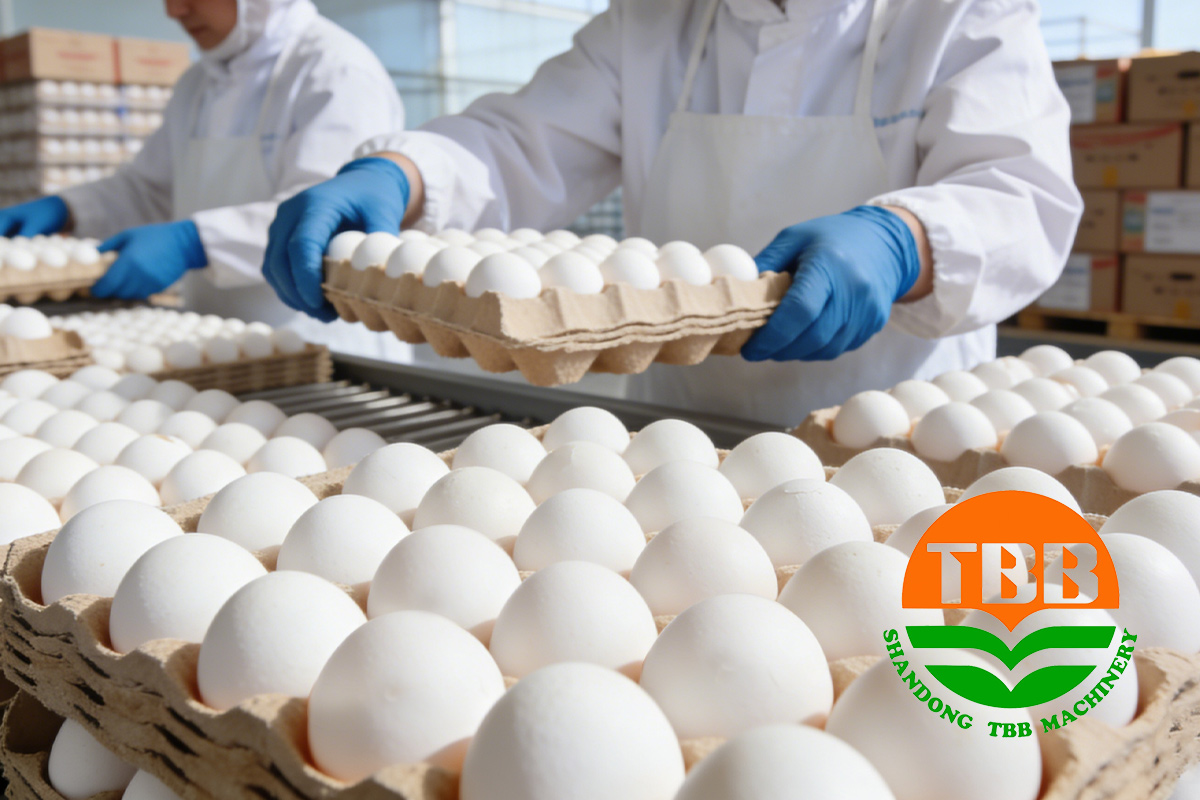
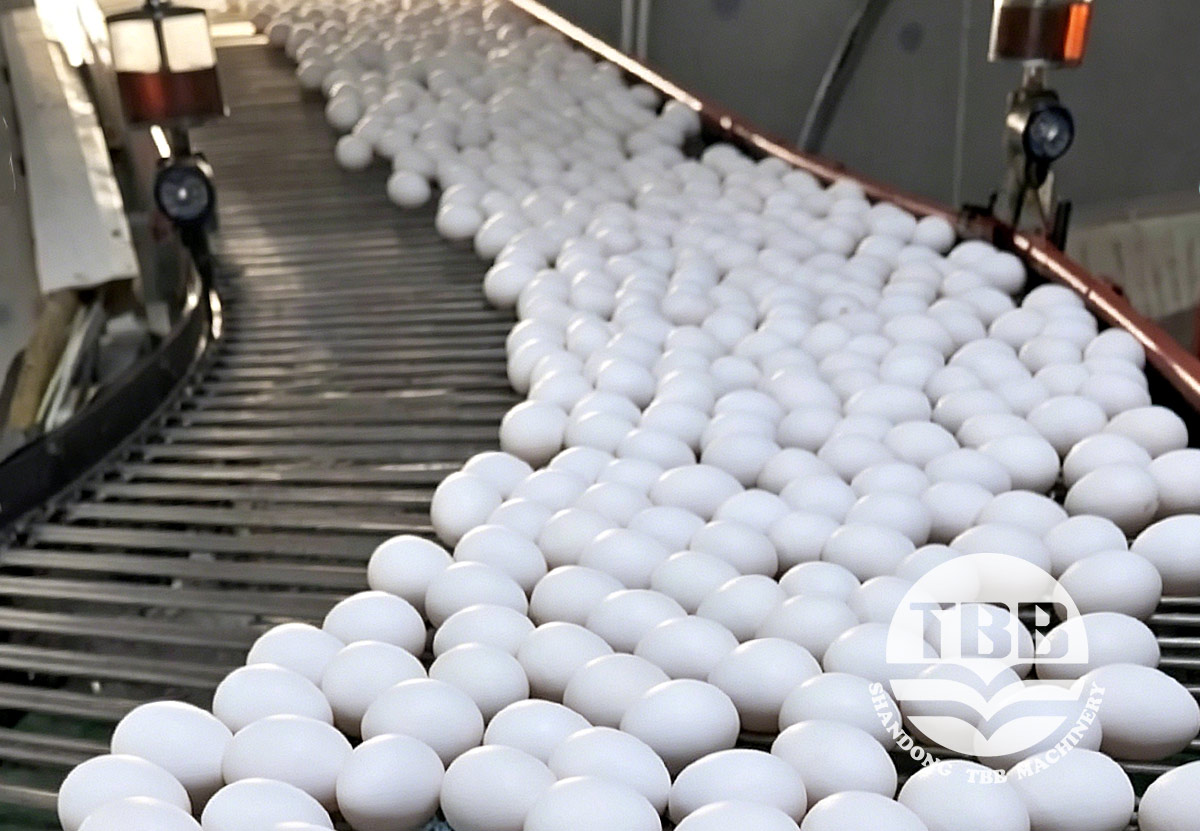
Egg handling on layer farms above 20,000 birds is another area where manual methods cannot keep up. Manual collection across multiple sheds means broken shells, floor eggs, and a team that still cannot finish before morning heat builds. An automated egg collection system with belt conveyors changes the rhythm entirely. Eggs roll gently to a central table, grading speeds up, and labour redirects to bird monitoring instead of crouching in aisles. For farms scaling toward 50,000 or 80,000 layers, this single investment transforms a daily crisis into a predictable process and pushes cracked-egg losses below one percent.
▶ Phased Automation — The Smart Path for Tight Budgets
The real insight for Myanmar poultry producers operating at scale is that strategic automation pays back faster than almost any other input. A phased approach works best: start with automated feeding and drinking in your highest-capacity shed, add a climate controller before the next hot season, then integrate egg collection or manure removal once cash flow stabilises. Reputable automation providers in Yangon and Mandalay now offer scalable packages for flocks from 20,000 to 100,000 birds — making it possible to step into technology without overstretching a tight budget.
Grit is still what drives Myanmar poultry forward. But today, that grit shows up in the willingness to invest in tools that protect 60,000 birds while the farmer grabs a few hours of sleep. Low budget, smart spending, and the right automation — that is the combination building the next generation of Myanmar poultry operations.
If you're running 20,000 birds or more and want to see how automated feeding, drinking, ventilation, or egg collection can lower your costs and protect your margins, our engineering team can design a system that fits your farm and your budget. Contact us and mention this article — we'll prioritise your inquiry and provide a tailored quote on our full range of poultry automation equipment.