



News
Morocco’s Layer Farm Landscape – Opportunity or Overcrowded?
Source: TBBView: 94Morocco's Layer Farm Landscape – Opportunity or Overcrowded?
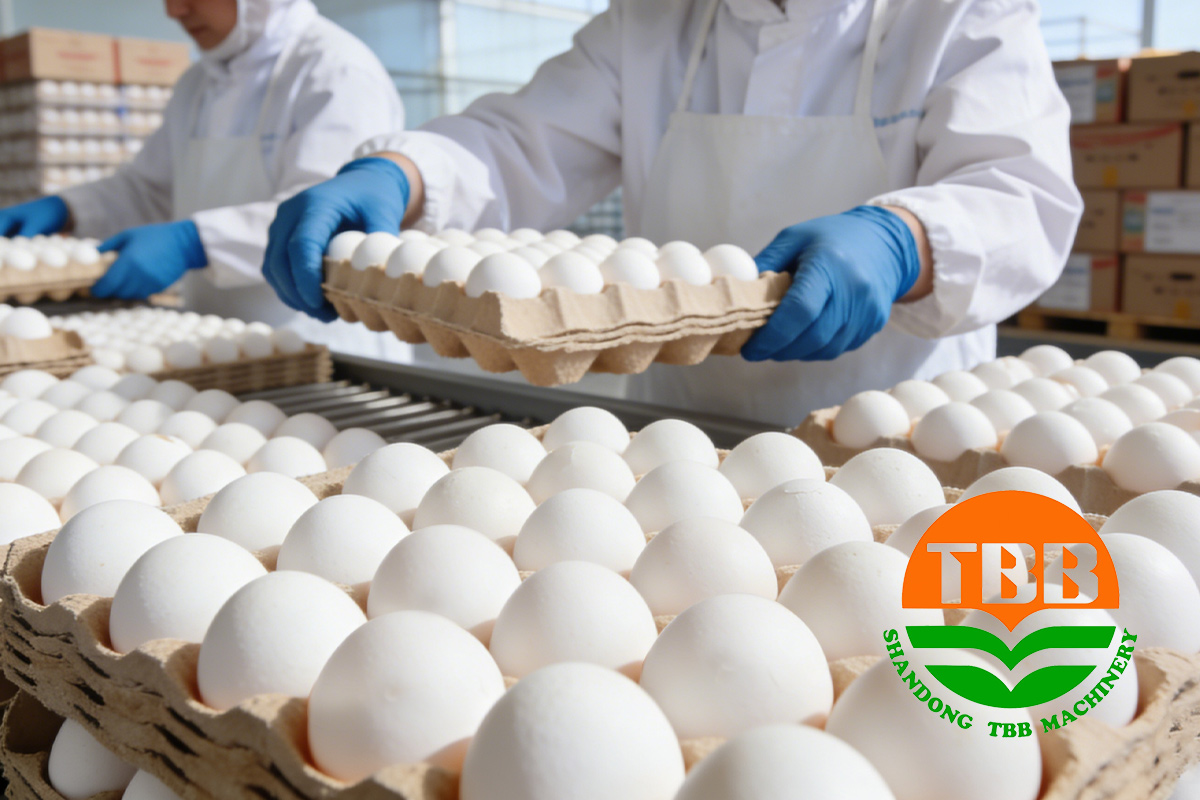
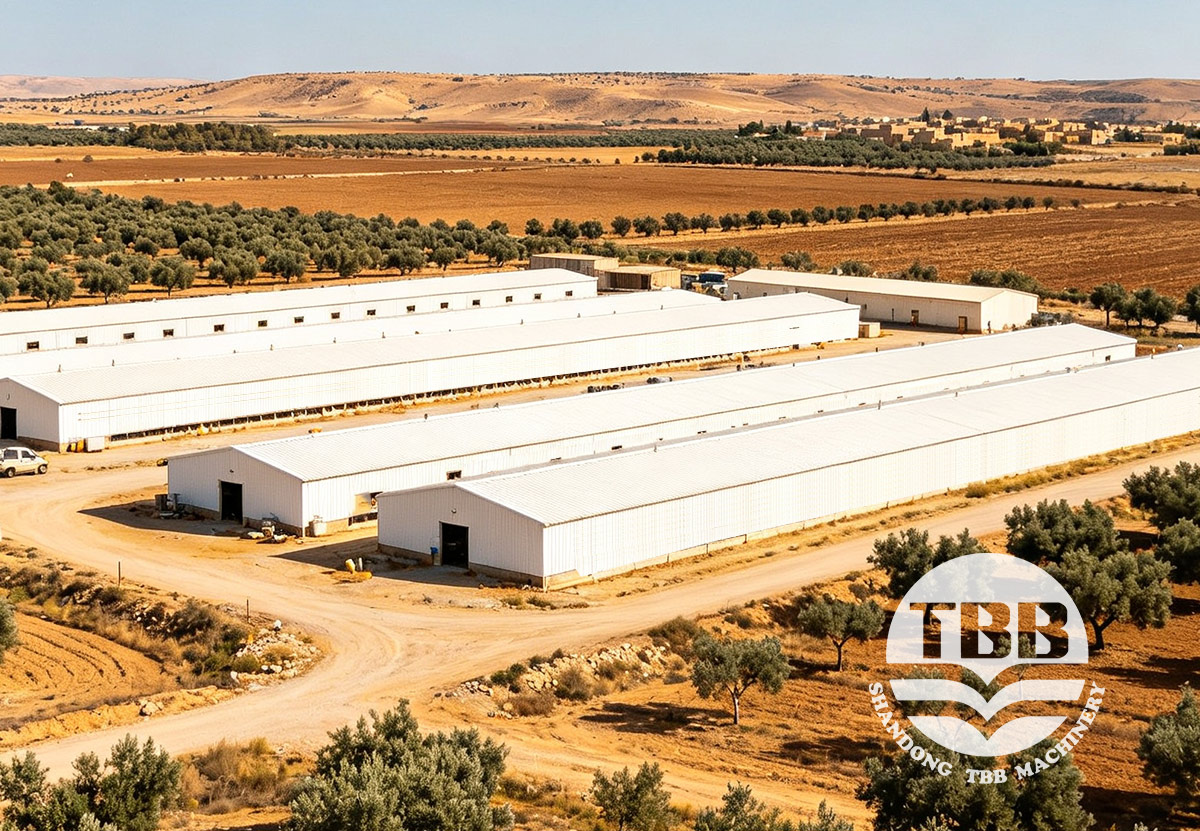
Long before the first call to prayer echoes across the countryside, Morocco's poultry belt is already awake. In the sprawling plains of Gharb and Doukkala, climate-controlled layer houses hum with automated feeding lines and egg collection belts. Poultry remains the backbone of affordable animal protein in the kingdom—eggs are stirred into tajines, beaten into street-side msemen, and boiled for school lunches. With annual output surpassing 6.8 billion eggs, the country ranks among Africa's top producers. For investors eyeing the Moroccan poultry sector, the question is no longer whether eggs sell, but whether the market for conventional table eggs has become a low-margin battleground, or if genuine white space still exists for a new wave of layer farming ventures.
▶ Demand Is Real, But Margins Are Tightening
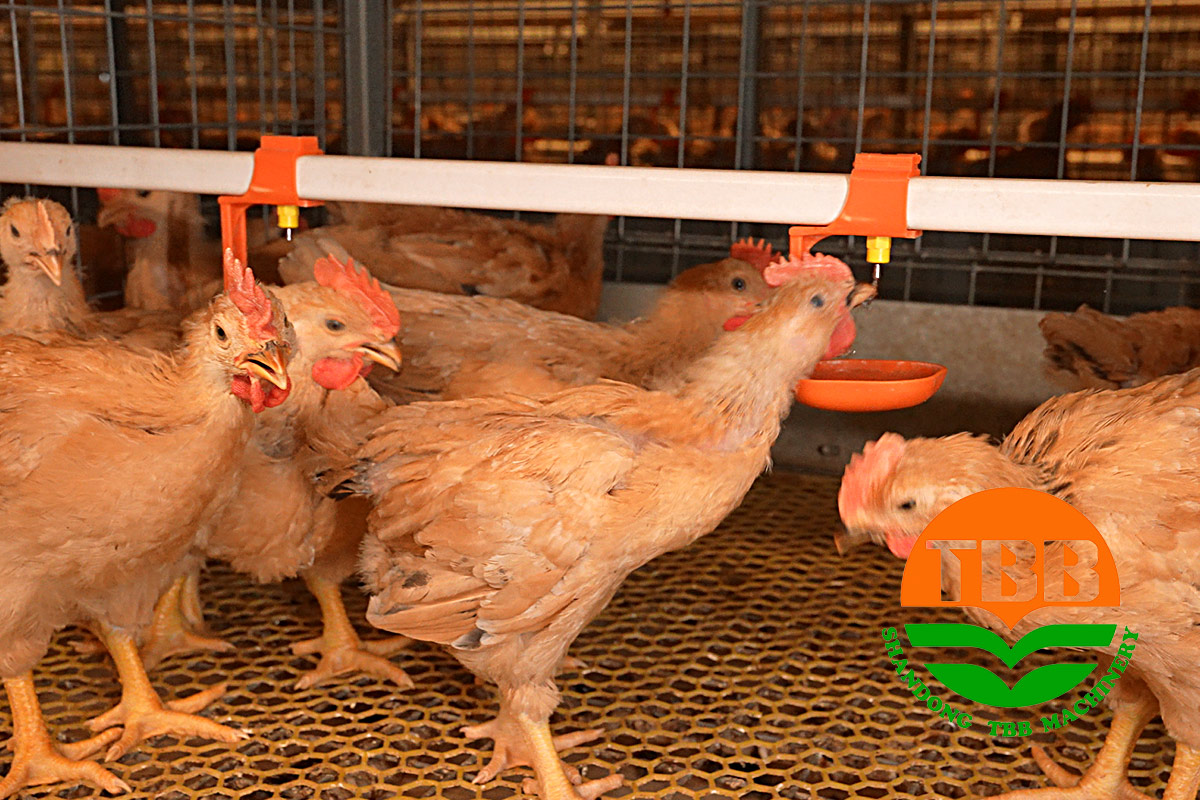
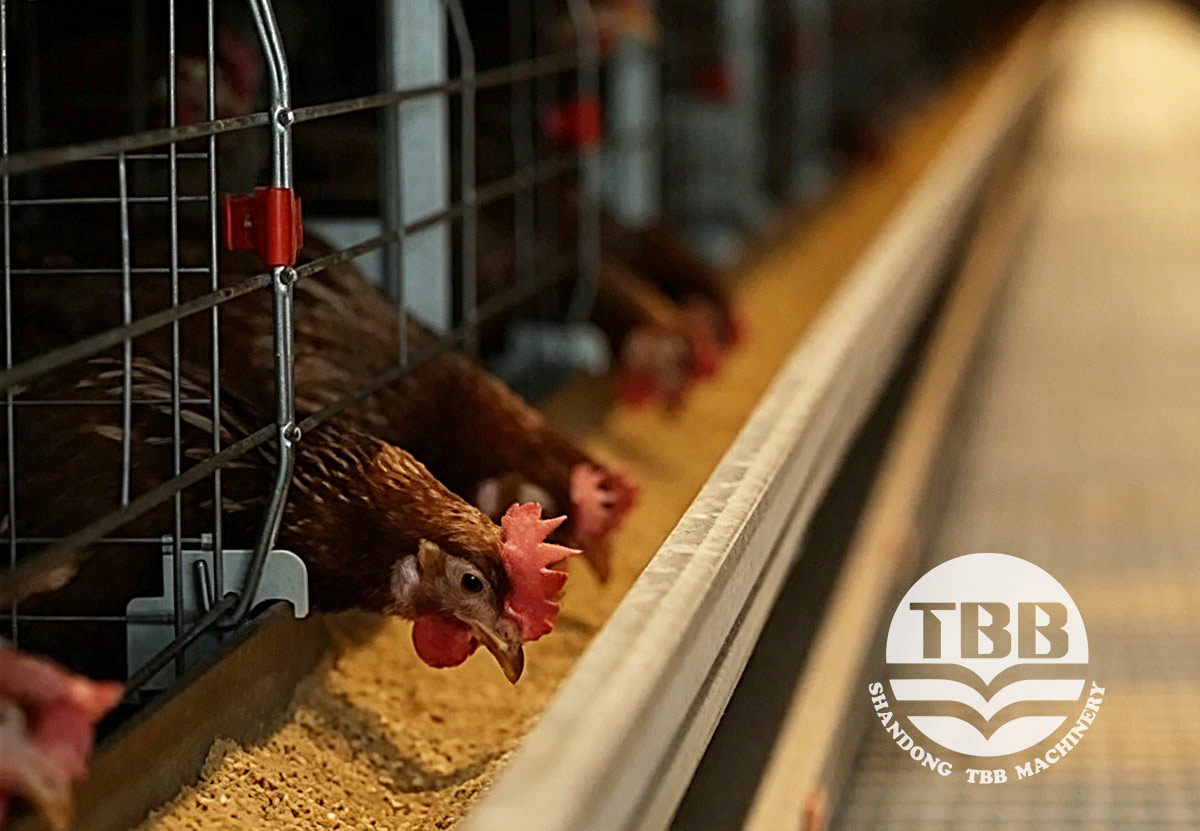
Urbanization, population growth, and a tourism sector that draws over 13 million visitors a year provide a sturdy demand floor. Per capita egg consumption now exceeds 200 units annually, placing Morocco on par with several southern European nations. Yet this macro story masks a brutal reality on the ground: poultry feed price volatility in Morocco has crushed independent producers. Corn and soybean meal, almost entirely imported and priced in dollars, have seen cost spikes of 40% or more in recent seasons. When feed represents 65–70% of the cost per egg, every fluctuation erases thin margins. Small-scale poultry farming in Morocco has contracted sharply; thousands of manual-shed operators have exited or sold out to integrated groups that control their own feed milling, hatcheries, and automated battery cage systems in Morocco. Consolidation is accelerating, and simply replicating a 20,000-bird battery unit selling undifferentiated white eggs into the wholesale market is, to put it bluntly, a red ocean.
▶ Where the Genuine Opportunity Hides
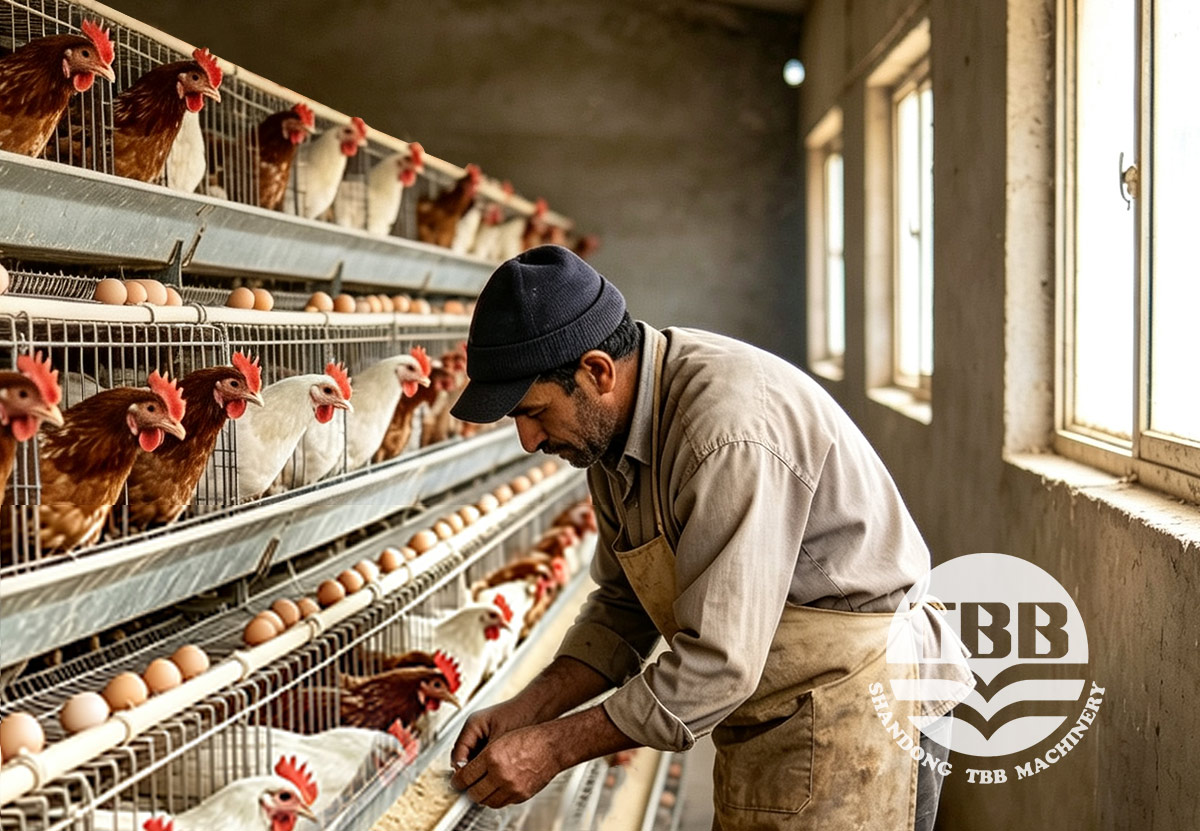
Declaring the entire sector overcrowded, however, misses a more nuanced picture. The mass market is saturated, but value-added and specialized segments are underserved. Urban shoppers in Casablanca, Rabat, and Tangier increasingly ask about traceability and animal welfare, creating a growing cage-free and organic egg niche market Morocco.
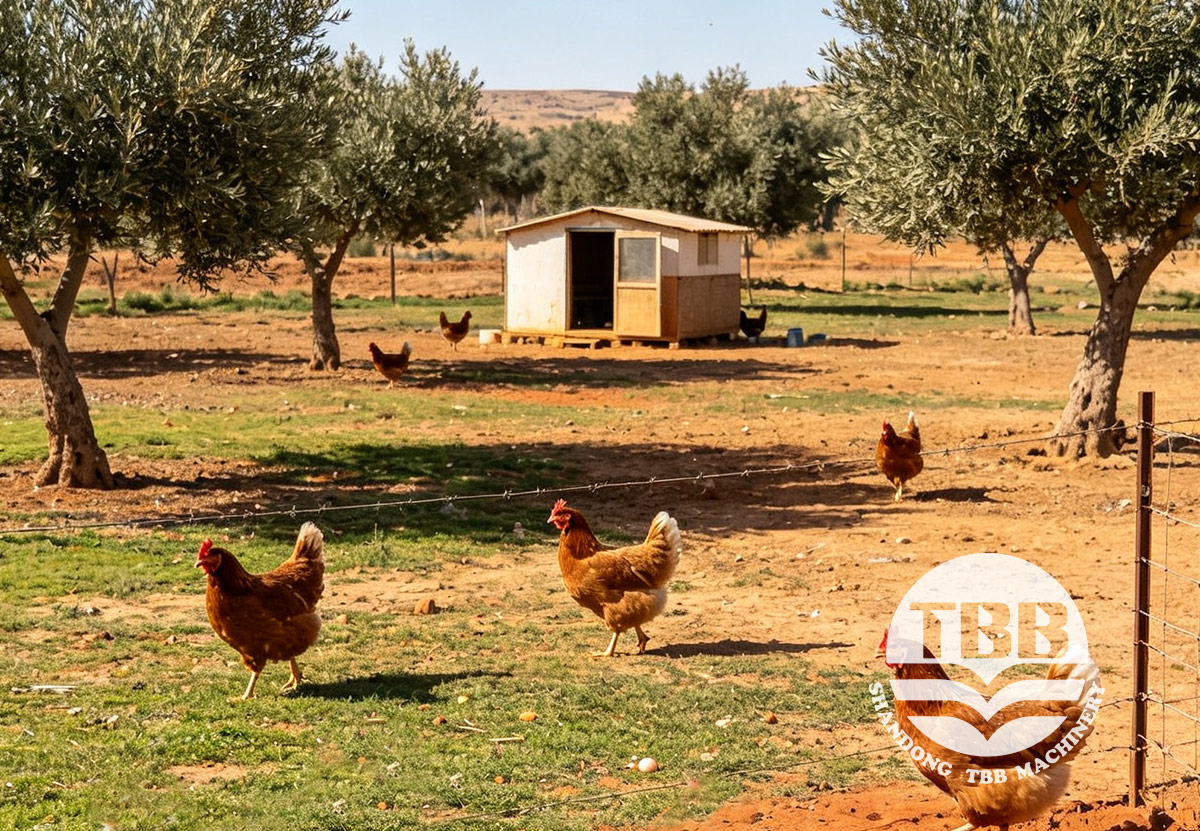
Premium hotels, airline caterers, and upscale bakeries actively seek barn-laid or free-range supply that local farms struggle to deliver at consistent volume. At the same time, industrial food manufacturers are pushing demand for pasteurized liquid egg, opening the door for a liquid egg processing plant Morocco investment—a channel that bypasses the fresh egg price wars entirely. On-farm solar-powered poultry houses Morocco installations are making economic sense too, slashing electricity costs in a country with abundant sunshine while appealing to ESG-conscious capital. The government's "Generation Green" agricultural strategy even earmarks incentives for such modernization, meaning a well-prepared operator can offset capital expenditure while legacy competitors wrestle with outdated infrastructure.
▶ Contract Farming and Biosecurity as Competitive Moats
Two structural shifts are reshaping the landscape. The first is the rise of contract farming layers Morocco models, where integrators provide day-old chicks, feed, and technical support to growers who supply eggs under fixed-price agreements. This arrangement reduces spot-market exposure and gives newcomers a more predictable path to profitability. The second is biosecurity. Recurrent outbreaks of Newcastle disease and low-pathogenic avian influenza have made disease pressure the industry's single biggest risk. A single lapse in isolation protocols or poultry manure management can erase an entire batch. Modern operations now enforce shower-in, shower-out entry, real-time ammonia sensors, and strict vaccination calendars—turning biosecurity from a regulatory afterthought into a genuine entry barrier. Investors who treat these measures as non-negotiable capital expenditure, rather than an expense to be minimized, consistently outperform those who do not.
▶ The Missing Piece: Go-to-Market Strategy
Even the most efficient farm fails if it cannot place its product profitably. The difference between survival and growth often lies beyond the poultry house door. Successful entrants pair their production with reliable suppliers of modern poultry equipment, cold-chain logistics, and targeted go-to-market planning that goes past basic on-farm production. Whether it's securing shelf space in organized retail, locking in a hotel group contract, or supplying a breaking plant for liquid egg, the route to market defines the return on investment just as much as feed conversion ratios do.
▶ A Window That Is Still Open
Morocco's layer industry is neither a blank canvas nor an impenetrable fortress. It is a two-speed market: overcrowded at the commodity level, yet surprisingly open in differentiated eggs, processed products, and production models that leverage contract structures and renewable energy. The window for strategic positioning remains open, but it will not last indefinitely as regional and international groups deepen their foothold.
For investors ready to move before competition intensifies, local insight and speed to execution are critical. Contact our team today for a customized investment consultation, and lock in our most competitive annual pricing—this year's preferential rates are reserved exclusively for first movers who act now.