



News
Building a High-Yield Layer Operation: Cage Systems That Drive Better Egg Production
Source: TBBView: 156Building a High-Yield Layer Operation: Cage Systems That Drive Better Egg Production
You invested in quality birds. You pay attention to feed formulation. The lighting schedule runs like clockwork. Yet somehow, your daily egg numbers just won't climb past that ceiling.
Before you blame genetics or feed quality, take a hard look at the cage system itself. The way your layer house is configured — the cage type, the row layout, the automation setup — either supports high egg production or quietly pulls it down, day after day. Good management only gets you so far if the equipment is working against you.
▶ Cage Design: Why the Right System Sets Your Production Ceiling
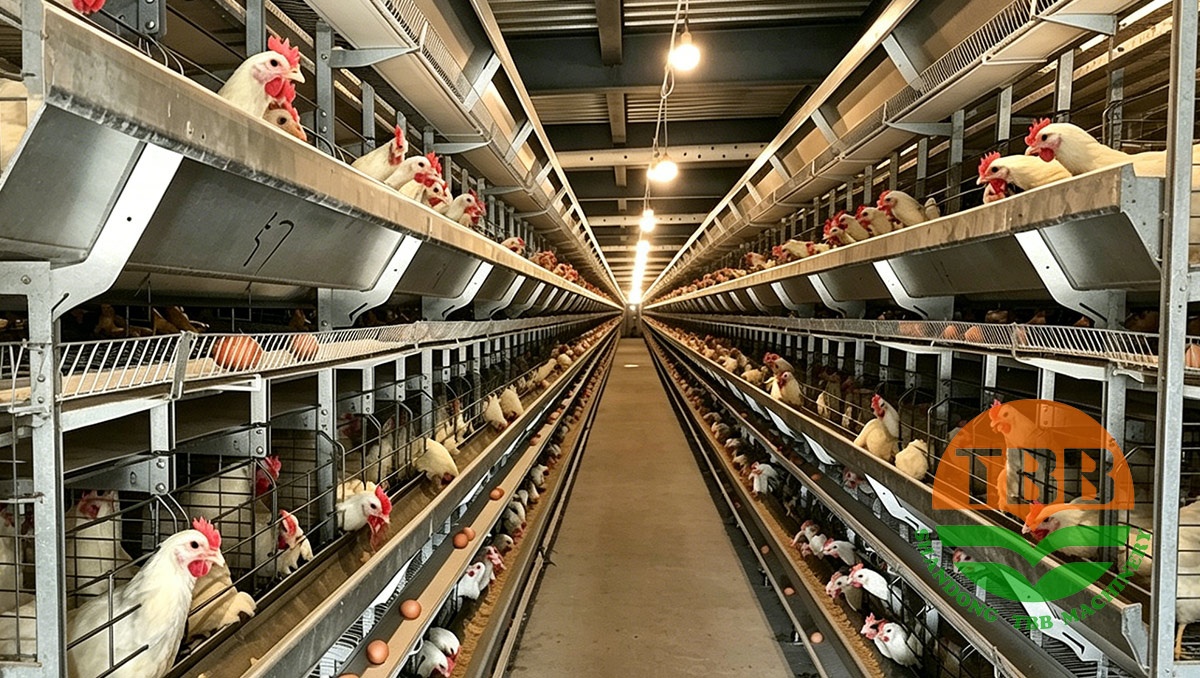
Not all poultry cage systems deliver the same production results. Commercial egg production has evolved well beyond the old California-style setups. Today, the H-type layer cage system is the preferred choice for serious operators — and for good reason.
H-type cages stack vertically instead of spreading out horizontally. That means you can increase bird capacity by 30 percent or more within the same building footprint. More importantly, the vertical layout improves airflow across every tier. Hens at the top, middle, and bottom all get consistent ventilation, which directly supports laying performance — especially during hot weather when heat stress can crater your egg numbers overnight.
A-type cages are still a solid option for smaller to mid-size operations, especially where ceiling height limits stacking options. And conventional California cages can work if you keep densities sensible. But if you're building new or expanding, the H type layer cage system delivers better ROI through higher bird density, easier management, and consistent airflow across all levels.
▶ Automation: Where Most Production Leaks Get Fixed
The biggest drains on egg production rate in layer chickens aren't dramatic disease outbreaks. They're the quiet, everyday inconsistencies — feed arrives late, eggs sit too long before collection, manure builds up and raises ammonia levels. Each one costs you a few eggs. Over a full cycle, they add up fast.
A properly integrated automatic poultry cage system solves that. Feeding, egg collection, manure removal, and climate control all run on a coordinated schedule. Feed hits every trough at the same time, in the same quantity. Eggs move out of the cages within hours of being laid, which cuts breakage and keeps them clean. Manure removal happens frequently enough that ammonia never has a chance to build up.
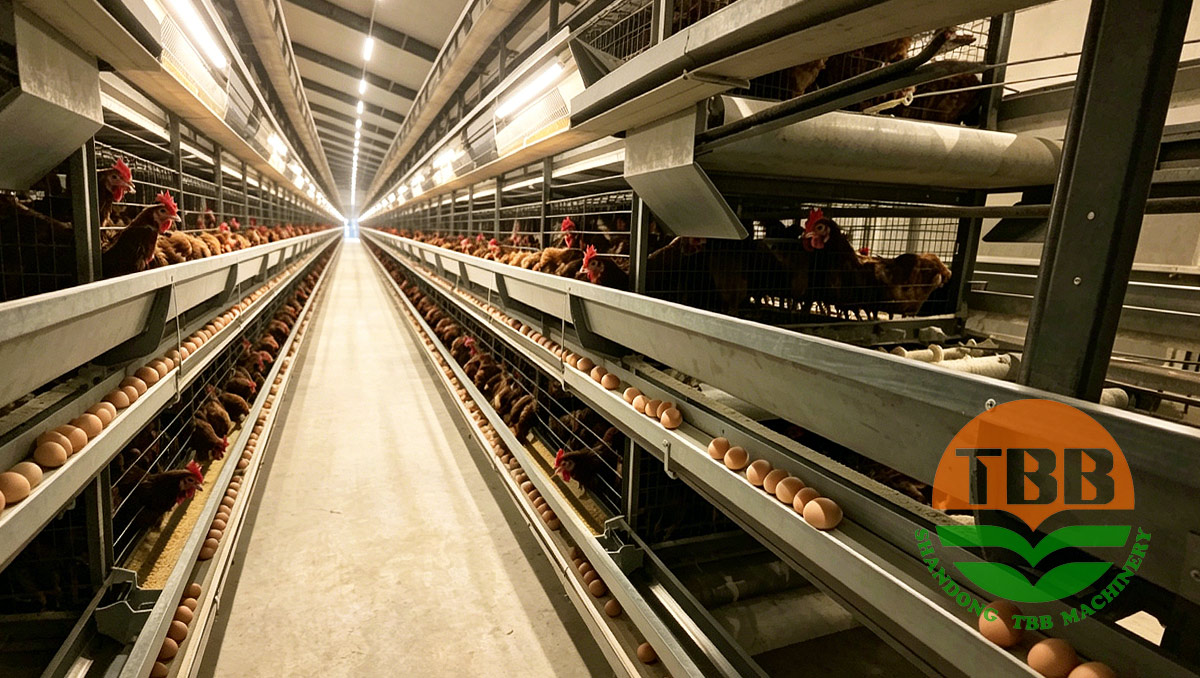
Farms that switch from manual to automated layer cage systems typically see feed waste drop by 8 to 12 percent, and daily egg output rises as birds experience fewer environmental disruptions. The best poultry cage equipment suppliers now offer fully integrated packages — feeders, nipple drinkers, egg collection belts, manure scrapers — designed to work as one system rather than a collection of mismatched parts.
▶ Housing Environment: The Foundation of Bird Health and Laying Consistency
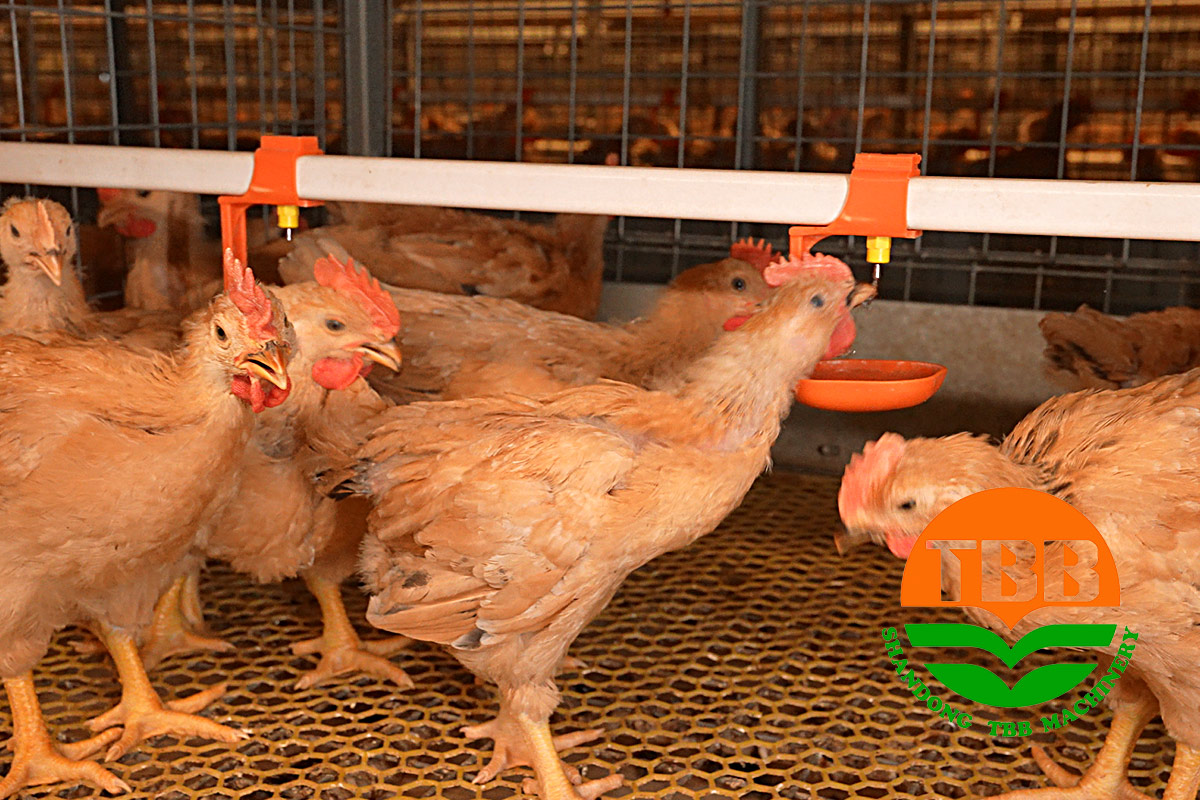
Your cage system determines how easy it is to maintain the conditions that keep hens healthy and productive. Good design includes features that support biosecurity — sloped floors that prevent manure buildup, drinker placement that minimizes spillage, and row spacing that allows air to move freely between cages.
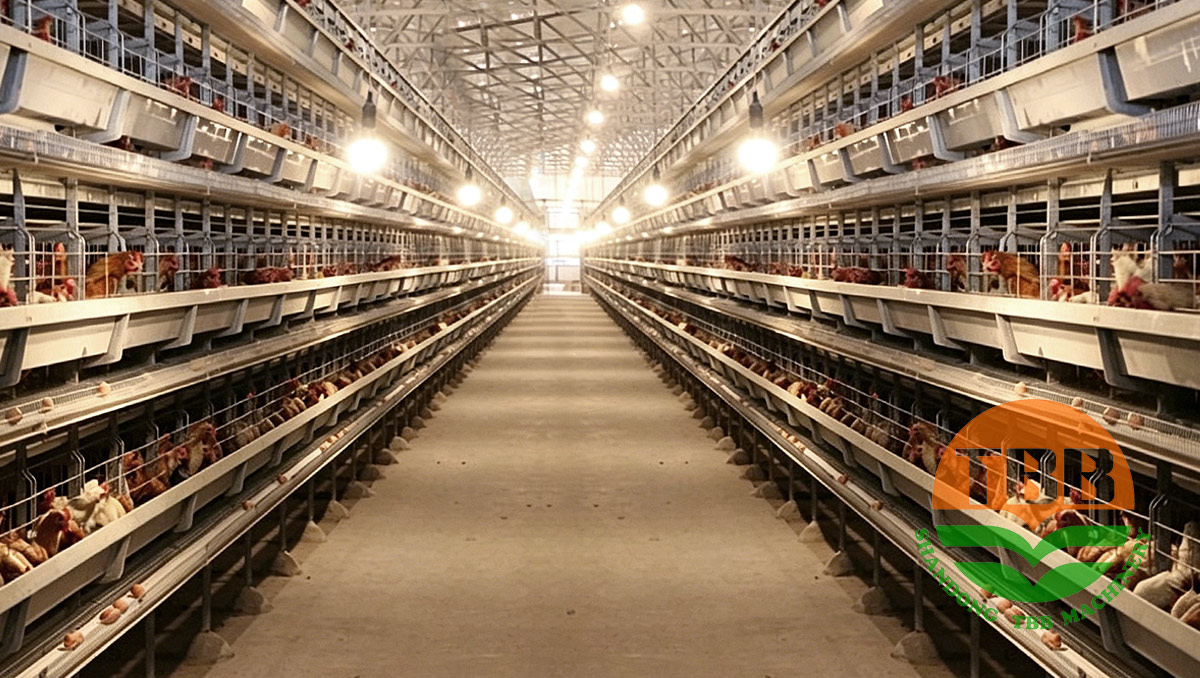
In hot climates, cage layout directly impacts how well your ventilation performs. Wider aisles between rows let air circulate properly, cutting the risk of heat stress that can reduce egg output by 20 percent or more during summer. When you're planning a layer chicken housing system, think beyond bird capacity. Think about how air, light, and worker access will move through the house every day.
Even with full automation, daily walkthroughs still matter. Check feeders, look at the birds, catch small problems before they grow. The best layer farm management approach is straightforward: set up good systems, then pay attention to the details, every single day.
The Bottom Line
A high-yield layer operation doesn't come from one magic fix. It comes from choosing the right cage system, integrating automation that eliminates daily inconsistencies, and maintaining an environment where hens can perform at their best. When those three pieces work together, consistent egg production follows naturally.
Whether you're setting up a new poultry house or upgrading an existing layer operation, the choices you make about your cage system and equipment package will shape your production numbers for years. We're here to help you get those decisions right.
Contact us now and mention this article. We'll design a cage system package for your exact bird count and budget — and give you our best price of the year.