



News
Ethiopia's Poultry Boom: Who's Cashing In and Who's Getting Left Behind
Source: TBBView: 158Ethiopia's Poultry Boom: Who's Cashing In and Who's Getting Left Behind
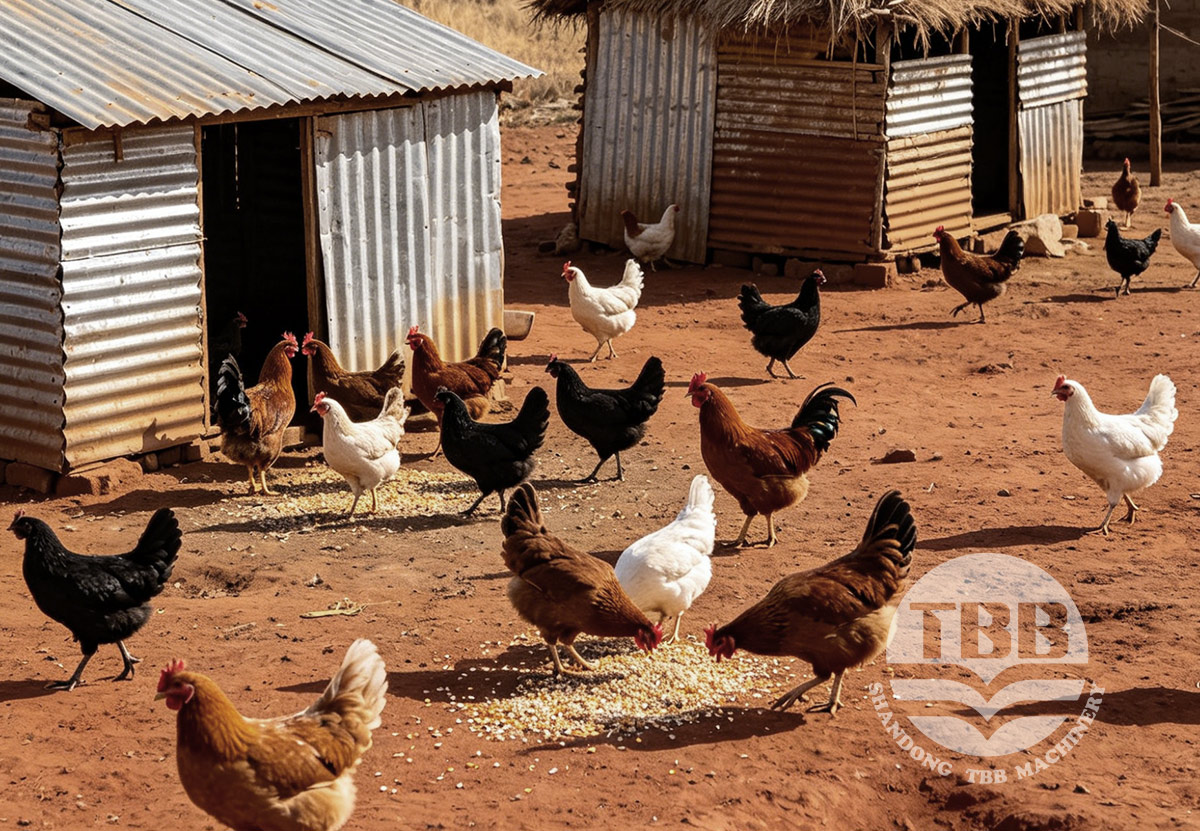
Ethiopia is in the middle of a quiet revolution—one that clucks. The country's poultry sector, long defined by backyard scavenging and village-level bartering, is transforming at breakneck speed. With one of the largest chicken populations in Africa, estimated at over 60 million birds, Ethiopia is positioning itself as the next big frontier in sub-Saharan poultry production. But as the industry scales up, a critical question is emerging: who is really benefiting from this poultry boom, and who risks being sidelined? The question is no longer whether Ethiopia can produce enough chicken. It's who controls the feed, the genetics, and the cold chain—because that's where the real money lives.
▶ From Backyard to Commercial: A Structural Shift
For decades, Ethiopia's poultry value chain has been dominated by indigenous chicken breeds raised under the free-range scavenging system. These native ecotypes, prized for their disease resistance and ability to thrive in harsh rural environments, still account for roughly 90% of the national flock. Yet their productivity remains strikingly low—average egg production hovers around 40 to 60 eggs per hen per year, compared to over 250 from improved commercial layer breeds. This gap has sparked growing interest in indigenous chicken breed improvement programs across the country, with several agricultural research centers now running selective breeding trials.
That gap is exactly what's drawing capital in. Large-scale integrated poultry farms are sprouting up around Addis Ababa, Bishoftu, Hawassa, and Bahir Dar, equipped with automated battery cage systems, climate-controlled broiler housing, and modern hatchery equipment. For entrepreneurs weighing commercial broiler production in Ethiopia, the cost per kilogram has become a critical metric that separates viable operations from those destined to fail.
▶ The Numbers Behind the Surge
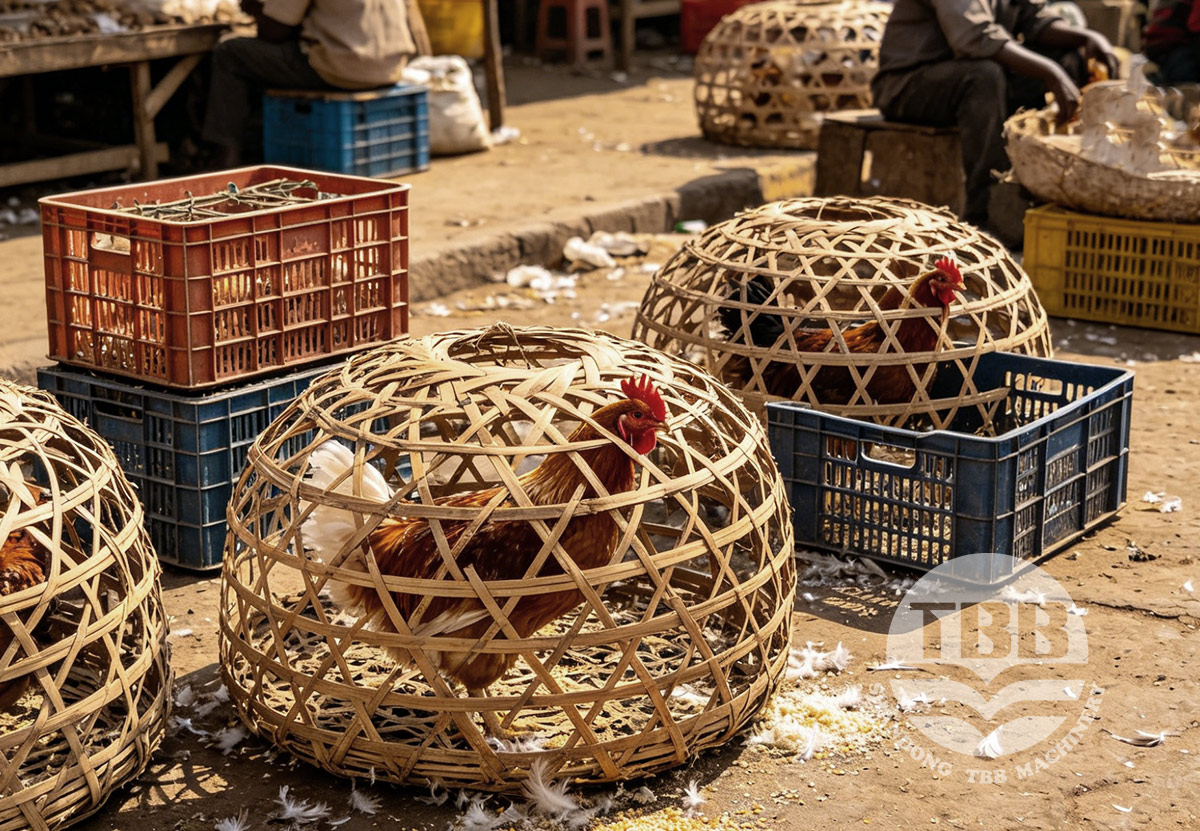
Ethiopia's annual chicken meat production has climbed to over 80,000 metric tons, with egg output surpassing 100,000 metric tons in recent years. Per capita poultry meat consumption, though still modest at around 0.8 kg per year, is rising steadily as Addis Ababa's middle class expands. Anyone researching how to start a poultry farm in Ethiopia and make a profit will find a market where broiler prices at wholesale hubs like Sholla and Kera have seen double-digit increases since 2022, reflecting demand that local supply chains struggle to meet.
The government's "Yelemat Tirufat" initiative has identified poultry as a strategic priority, backed by import duty exemptions on processing equipment, tax holidays for commercial farm investments, and subsidized day-old chick distribution programs. It's no surprise that poultry farm investment opportunities in Ethiopia for 2025 are drawing attention from East African neighbors, Gulf-based agribusiness funds, and European development finance institutions.
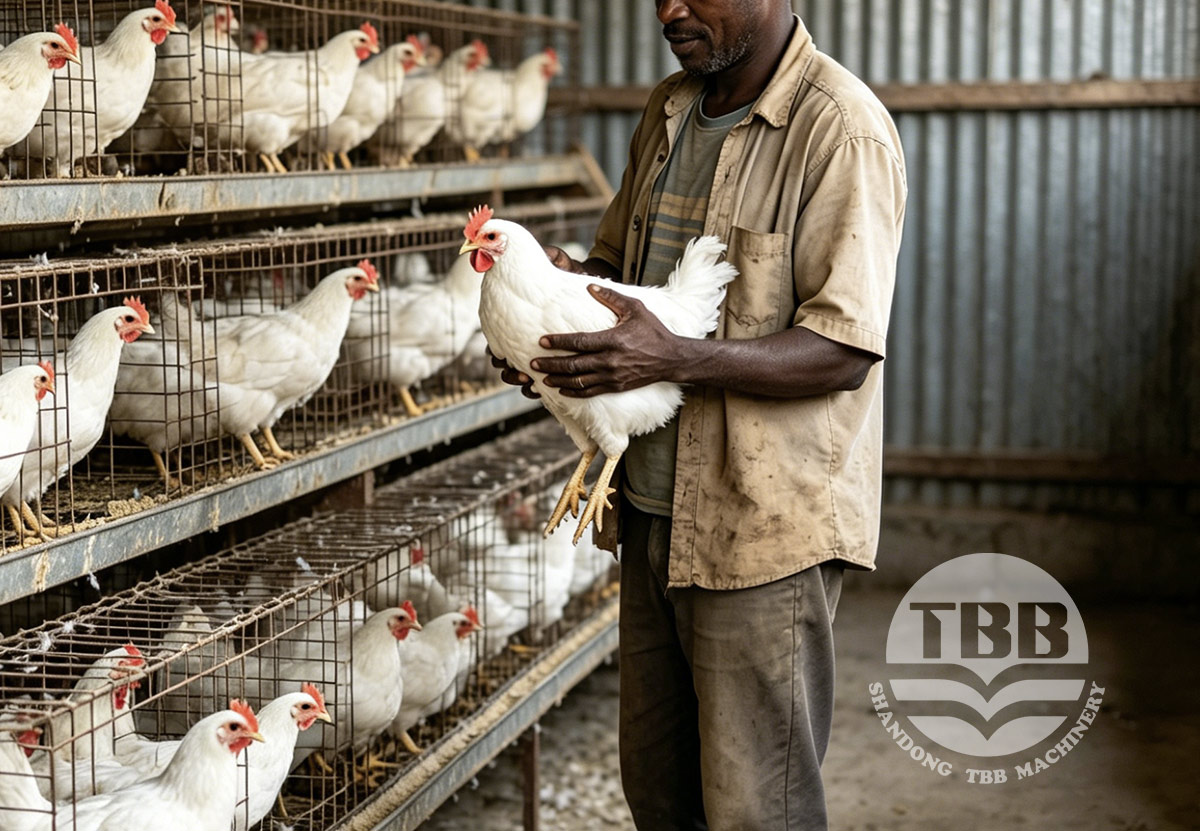
Take Tilahun, a former grain trader in Bishoftu. In 2022 he converted his maize warehouse into a 5,000-bird broiler house. Within three cycles, his net profit per bird hit 45 birr—more than he ever made selling grain. But when soybean prices doubled last June, his feed bill jumped 40% overnight, and he sold 200 birds at a loss just to stay afloat. His story captures Ethiopia's poultry paradox: real opportunity, but margins thin enough that a single bad season can erase a year of gains.
▶ Winners: Integrators, Input Suppliers, and Urban Retailers

Several groups are cashing in decisively. Large integrators controlling parent stock, hatchery, feed mill, and processing are capturing margins at every node. EthioChicken has expanded deep into rural areas using a hub-and-spoke model combined with a micro-franchised agent system—a distribution approach that competitors are still trying to replicate. Input suppliers of soybean meal, maize, and premix vitamins are seeing surging volumes. Turkish, Chinese, and Indian manufacturers are bidding on slaughterhouse and cold chain tenders. Urban retailers in Adama, Dire Dawa, and Mekelle are benefiting from growing demand for dressed cuts—a market shift from the live-bird norm of just five years ago.
▶ Who's Getting Left Behind?
Not everyone is sharing in the prosperity. Smallholder poultry keepers, who form the backbone of rural poultry farming in Ethiopia, face mounting pressures. Their indigenous flocks cannot compete on growth rate or egg yield with imported Cobb 500 broiler or Isa Brown layer genetics. Without access to improved dual-purpose breeds, affordable compound feed, or reliable veterinary services, many small-scale producers are being squeezed into subsistence-level operations with diminishing market relevance.
Access to working capital remains a persistent bottleneck. Commercial banks view poultry as a high-risk lending category, effectively locking out thousands of entrepreneurs who could otherwise scale from 200 to 2,000 birds. For those searching for a poultry farm business plan PDF Ethiopia template, the numbers often look compelling on paper—but without bridging finance, those plans stay in the drawer.
Feed supply is equally critical. Ethiopia's poultry feed costs rank among the highest in East Africa relative to farm-gate chicken prices, driven by chronic maize and soybean shortages and logistics inefficiencies. Feed millers frequently operate at just 50-60% capacity, creating a structural ceiling on industry growth. Cold chain limitations compound the problem—without reliable refrigerated transport, processed chicken cannot reach distant markets.
▶ The Road Ahead
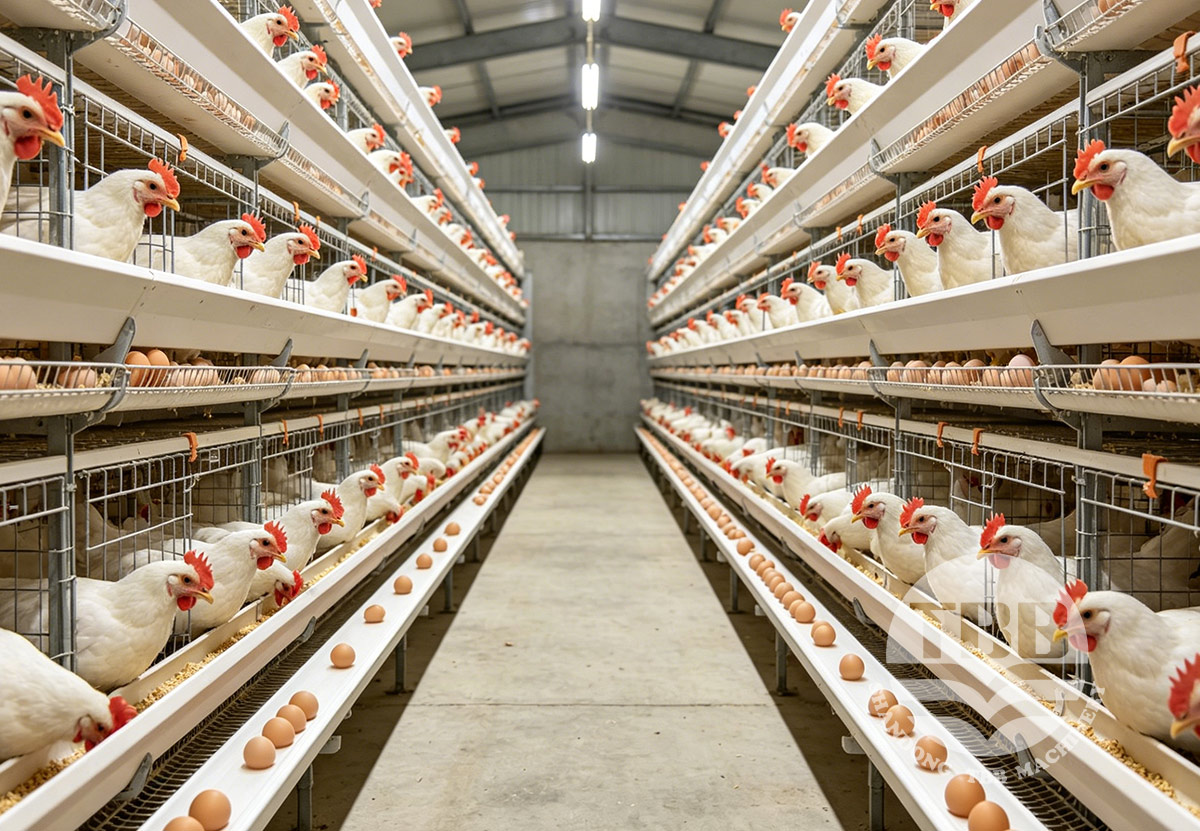
Ethiopia's poultry sector is at an inflection point. The demand fundamentals are compelling—rapid urbanization, a young population, rising protein awareness, and government backing create a rare alignment. But feed, finance, genetics, and cold chain infrastructure all need coordinated investment.
The poultry contract farming model is beginning to gain ground as a way to de-risk expansion for both integrators and outgrowers, with early pilots in Oromia and Amhara showing promising results. Meanwhile, the search for reliable broiler chicken breeds available in Ethiopia continues to intensify as farms seek birds that balance fast growth with resilience to local disease pressures.
For equipment manufacturers, turnkey farm solution providers, and international investors, Ethiopia represents one of Africa's most underexploited poultry markets. The window for early entry is narrowing as regional players from Kenya, Uganda, and the Middle East move in. For those still on the sidelines, the question isn't whether Ethiopia's poultry sector will take off—it already has. The real question is whether there's still a seat at the table.
Watching Ethiopia's poultry market closely? So are we. I track this market weekly. If you're planning a new broiler operation or upgrading existing facilities, I can put together the equipment package that fits your numbers—without the standard sales pitch.