



News
Lost AED 140,000 to Save AED 8,000 — Here's What UAE Poultry Farming Actually Costs
Source: TBBView: 74Lost AED 140,000 to Save AED 8,000 — Here's What UAE Poultry Farming Actually Costs
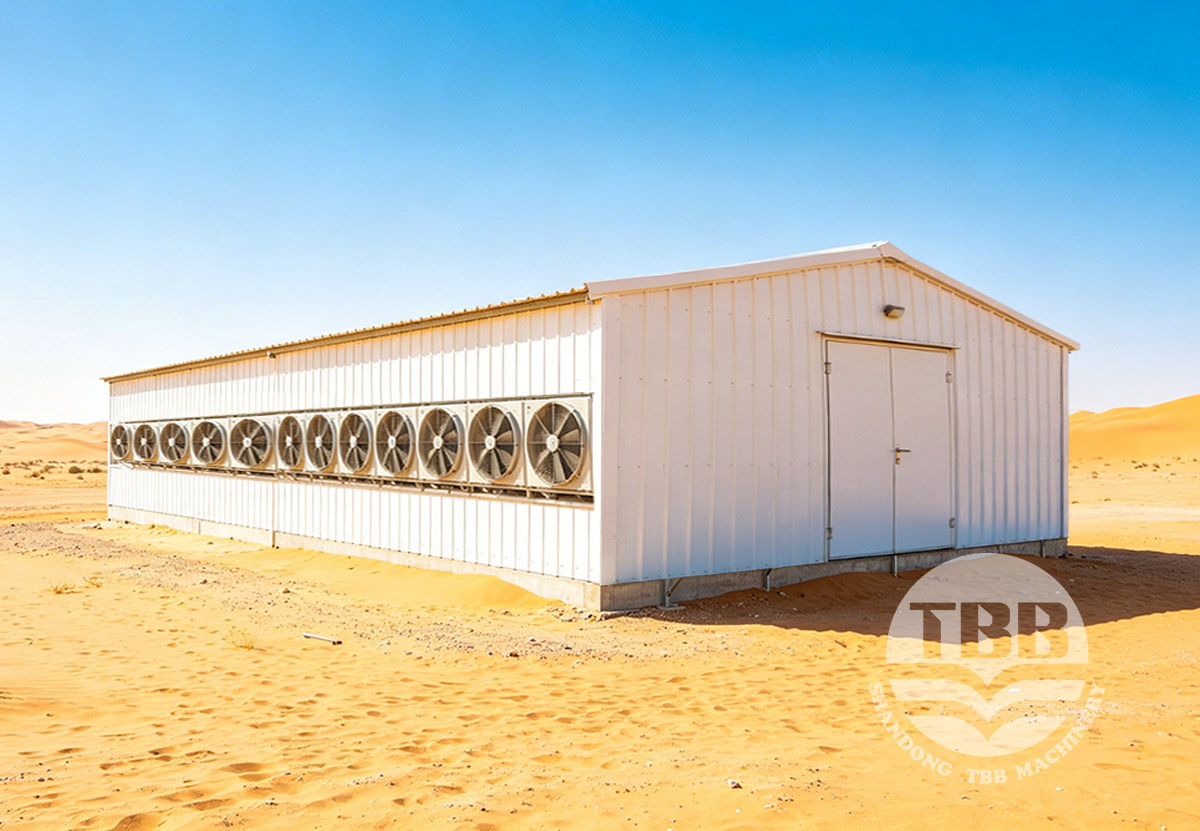
A client of mine in Al Ain learned an expensive lesson last July. He'd saved AED 8,000 by going with cheaper exhaust fans rated for European temperatures, not 51°C Gulf heat. When the thermal load peaked on a Friday afternoon, the negative pressure inside his broiler shed collapsed. By the time his farm manager noticed, 4,000 birds near the exhaust end were dying from heat stress. Losses: AED 140,000. Cause: an AED 8,000 cost cut.
Three months later, I helped him retrofit with Gulf-spec ventilation, install real-time thermal monitoring, and restructure his cooling management protocols. His FCR now runs 1.58 across the last four cycles. The loss wasn't recoverable, but the facility is finally built right.
If you're researching what a commercial poultry farm in the UAE actually costs — not glossy feasibility numbers, but the real ones — I've commissioned 14 broiler and layer sheds across Abu Dhabi, Al Ain, and the Northern Emirates. Here's what 2025 looks like.
▶ What a Broiler House Costs to Build
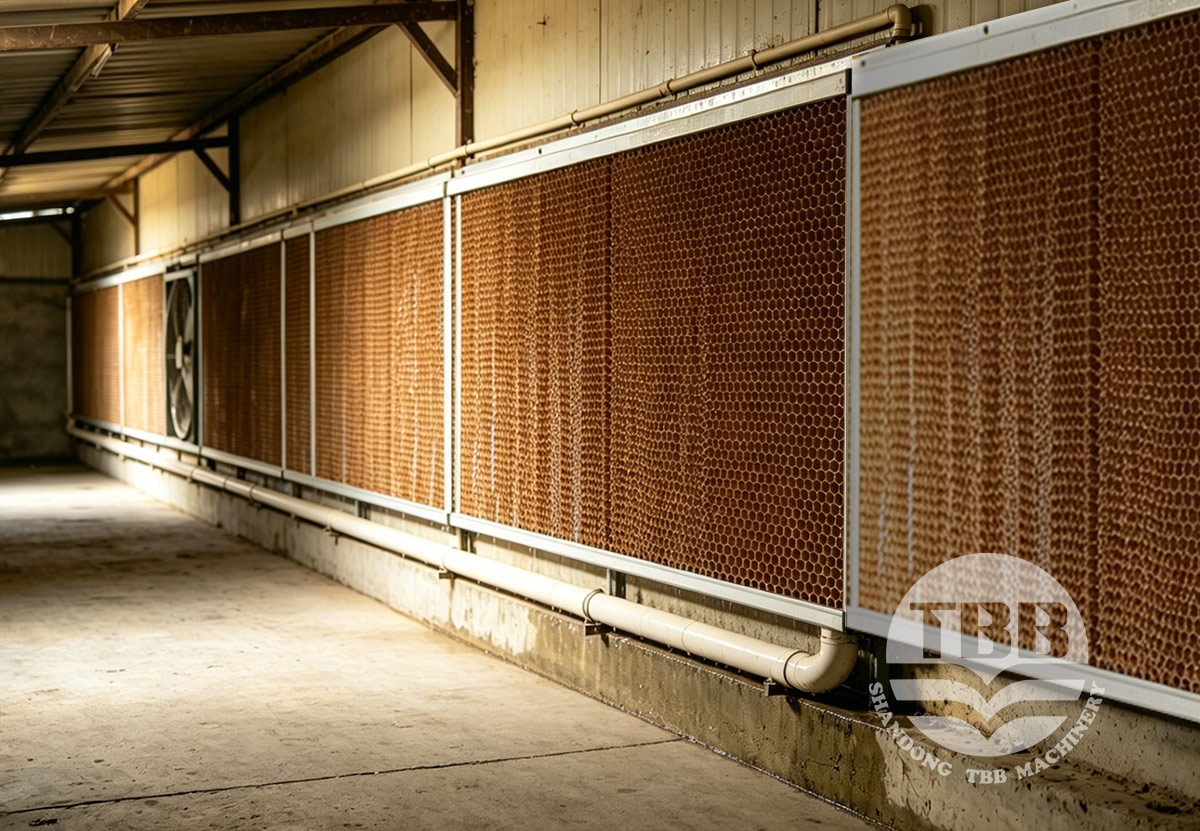
For a 25,000-bird closed-environment broiler shed, turnkey poultry farm construction cost in the UAE runs AED 1.6 million to AED 2.8 million. The range turns on soil conditions, insulation thickness, and distance to water and power. Per square meter, an evaporative cooling pad poultry house with tunnel ventilation, automated feeders, and nipple drinkers costs AED 1,200 to AED 1,800. Quotes below AED 1,000 exist — usually from suppliers who go silent when a cooling pump fails during Eid.
This is the first thing I stress-test in a build review. If your shed can't hold 0.10 inches of water column during peak afternoon heat, birds at the exhaust end breathe stagnant air regardless of what the control panel displays.
Land is separate. Agricultural lease rates for poultry operations range from AED 0.20 per square foot annually in Umm Al Quwain's outer zones to triple that in Al Ain's established corridors. Add the 500-meter buffer MOCCAE mandates between commercial poultry holdings, and your land footprint expands fast.
▶ The Three Operating Costs That Make or Break You
Day-old chick prices from UAE-certified hatcheries run AED 1.50 to AED 2.30 per bird for Ross 308 or Cobb 500 genetics. Chasing a AED 0.20 discount is a trap. I've traced 3% higher first-week mortality directly to yolk sac infections from a lower-tier hatchery. Lose 750 birds out of 25,000 at AED 1.50 each, and your savings disappear before day 10. Lock in hatchery contracts with documented health protocols and a first-week mortality guarantee — the upfront saving doesn't buy back lost growing days.
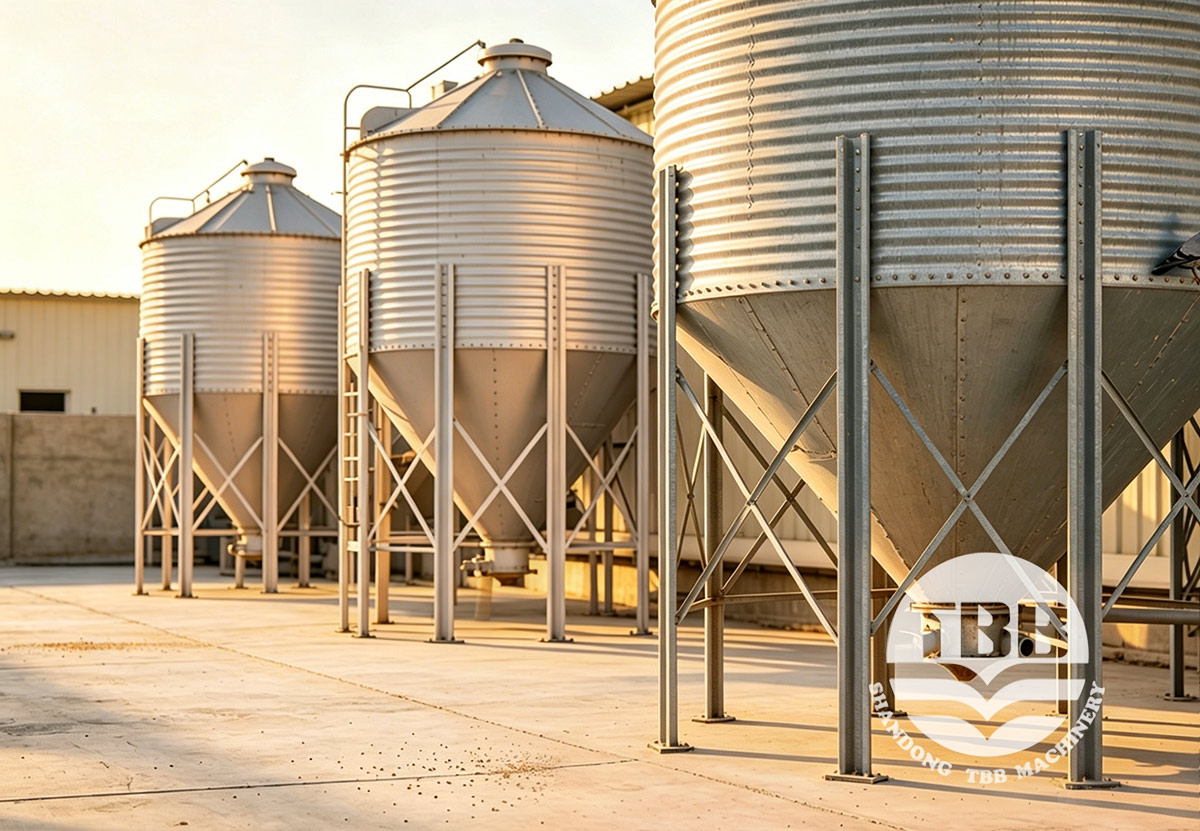
Feed is your biggest line item. Compound poultry feed for broiler finisher rations runs AED 1,450 to AED 1,800 per tonne delivered. The real headache isn't price — it's storage. Bulk feed in an unventilated silo during August can develop mycotoxin contamination within a week. I advise a five-day maximum inventory buffer with just-in-time deliveries unless you've invested in temperature-monitored silos with active aeration. During an audit in Ras Al Khaimah last September, I traced a sudden 0.3-point FCR spike to mold in a silo topped up ten days prior. The operator assumed freshness based on delivery date. The silo temperature told a different story.
Every 0.1-point feed conversion ratio deterioration on a 25,000-bird flock adds roughly AED 18,000 in extra feed per cycle. Over six cycles, that's AED 108,000 in margin erosion. Common culprits: heat stress in dead ventilation zones, water line biofilm, or night temperature swings when operators dial back fans to save power. I walk every audit with a thermal camera and anemometer precisely because control panel averages hide these dead zones.
▶ Why Your Utility Bill Hits AED 40,000 Monthly
A mid-size broiler house in Dubai or Sharjah draws 70 to 120 kWh depending on the season. Cooling pumps and exhaust fans consume 55% to 60% of that load. July and August electricity bills in the AED 38,000 to AED 45,000 range are normal for a single shed. That's why solar-powered poultry farm systems are gaining ground — rooftop PV on shed roofs reaches payback in 4 to 5 years under current DEWA and SEWA tariffs.
▶ Compliance: What the Inspection Actually Covers
A UAE poultry farm license requires passing a MOCCAE pre-registration inspection — typically 8 to 12 weeks from application to approval. Inspectors check buffer distances, perimeter fencing, vehicle disinfection arches, foot-dip stations at every shed entry, and rodent-proof feed storage. Budget AED 45,000 to AED 80,000 for perimeter biosecurity infrastructure. Farms that postpone this until after construction face three to six months of permit delays, and every month your shed sits empty is a month of zero revenue.
▶ Where the Opportunity Sits
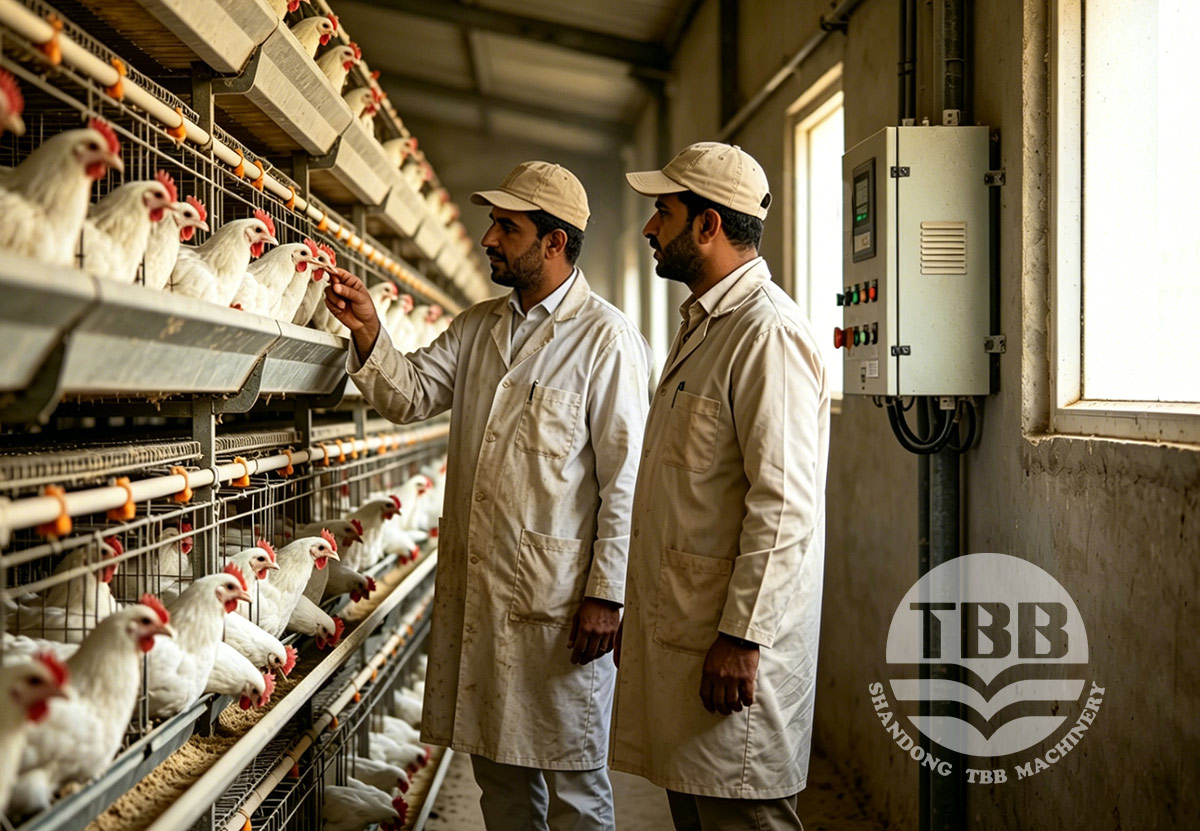
Locally farmed fresh chicken commands a 25% to 40% retail premium over imported frozen equivalents in UAE supermarkets. The margin play isn't volume — it's cold-chain integrity, slaughter-to-shelf speed, and a "Product of UAE" label consumers trust more than Brazilian or Ukrainian imports. Well-run 25,000-bird operations in the Northern Emirates with disciplined thermal management and tight FCR control see EBITDA margins of 18% to 22%. Larger multi-shed setups often see margin compression because energy overhead scales faster than production. Bigger isn't always better in this climate.
Let's Build It Right
I've commissioned 14 sheds across three emirates. Mismatched ventilation, Gulf-rated equipment, thermal blind spots in the cooling layout — the failure patterns are predictable and preventable.
If you're planning a broiler setup or troubleshooting an underperforming shed, I'll run a thermal load projection and feed cost model for your site at no charge. Projects confirmed this quarter lock in our lowest consultancy rates for 2025. That rate structure ends when Q4 closes, and the next summer cycle doesn't wait. Reach out now.