



News
Why Battery Cages Make Sense in the Philippines (And When They Don't)
Source: TBBView: 145Why Battery Cages Make Sense in the Philippines (And When They Don't)
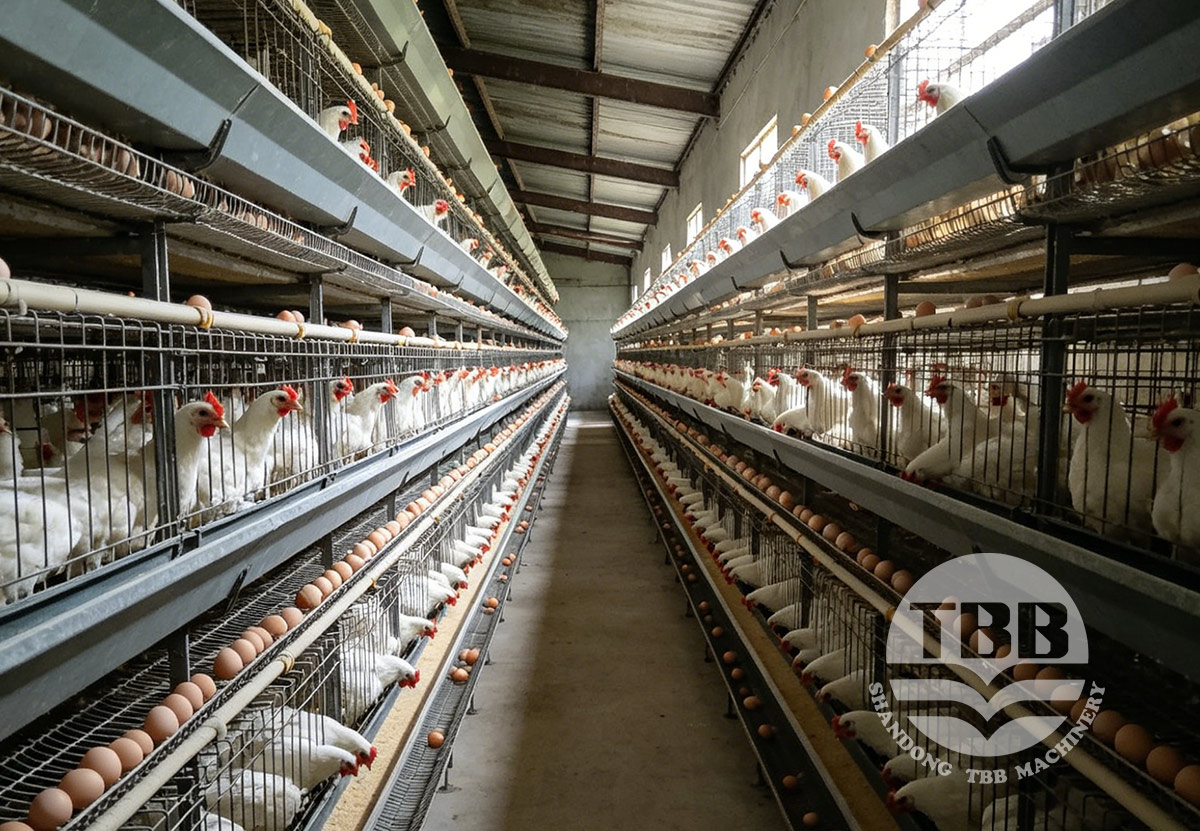
Walk into any high-performing commercial layer farm in Bulacan or Batangas today, and you're almost guaranteed to see endless rows of galvanized poultry cages stacked floor to ceiling. For the uninitiated, the setup looks stark, but for Filipino poultry operators battling tropical heat, rising feed costs, and extreme weather, the logic is crystal clear.
Battery cages — especially modern, automated battery cage systems in the Philippines — have become the backbone of affordable egg production. Yet the same system that delivers a 95% hen-day egg production rate for a 50,000-bird complex can become a liability on a small backyard farm in Mindanao. The real question is not whether battery cages work, but under what specific Filipino conditions they thrive or fail.
▶ Space, Biosecurity, and the Economics of High-Density Layer Farming
Land isn't getting cheaper in the Philippines. A high-capacity H-type battery cage system allows you to house up to 20 hens per square meter of barn floor, a density impossible to match with deep-litter or free-range models. For a 10,000-layer operation in Calabarzon, that density translates directly into a smaller building footprint, shorter manure removal distances, and dramatically lower real estate overhead.
More importantly, proper galvanized poultry cages act as a physical barrier against disease. With Newcastle disease and avian influenza remaining endemic threats in Southeast Asia, a well-designed, closed-house battery cage facility with automated manure belt removal gives Filipino farmers a biosecure layer house design that drastically reduces cross-contamination compared to floor-based systems.
Pair that with a feed trough that minimizes wastage, and you are looking at an improved feed conversion ratio of 1.8 to 2.0 — a margin that makes or breaks profitability when corn and soybean meal prices spike.
▶ Why Tropical Climate and Typhoon Season Favor Caged Housing
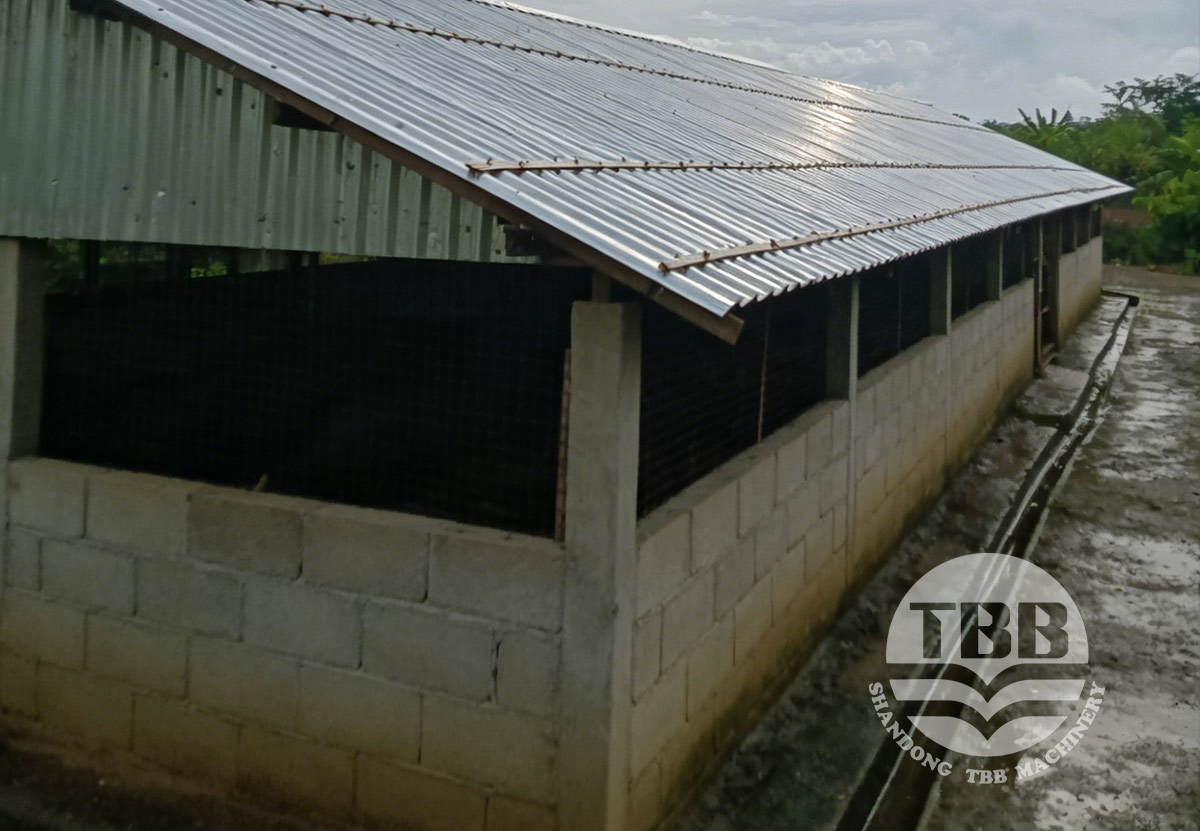
The Philippines isn't Europe or the US. We deal with 80% humidity, 35°C afternoon heat, and an average of 20 typhoons a year. This is precisely where a climate-controlled poultry house with tunnel ventilation and cooling pads, purpose-built for caged layers, makes technical sense. Unlike open-sided floor barns where hens cluster in hot spots and ammonia levels spike, a closed, tunnel-ventilated battery cage system can maintain a consistent temperature of 24–28°C even in the middle of a dry-season afternoon. This temperature stability keeps eggshell quality high and mortality low.
When Typhoon Odette or Rai-style storms barrel through the Visayas, layer farms using indoor H-frame battery cages safeguarded in reinforced structures suffered far less bird loss than free-range or semi-intensive farms, where flooding and flying debris decimated flocks. That typhoon-resistant poultry housing advantage isn't a theory — it's a survival strategy for commercial egg producers from Luzon to Mindanao.
▶ Labor Shortage, Automation, and the Push for Cage-Free Alternatives
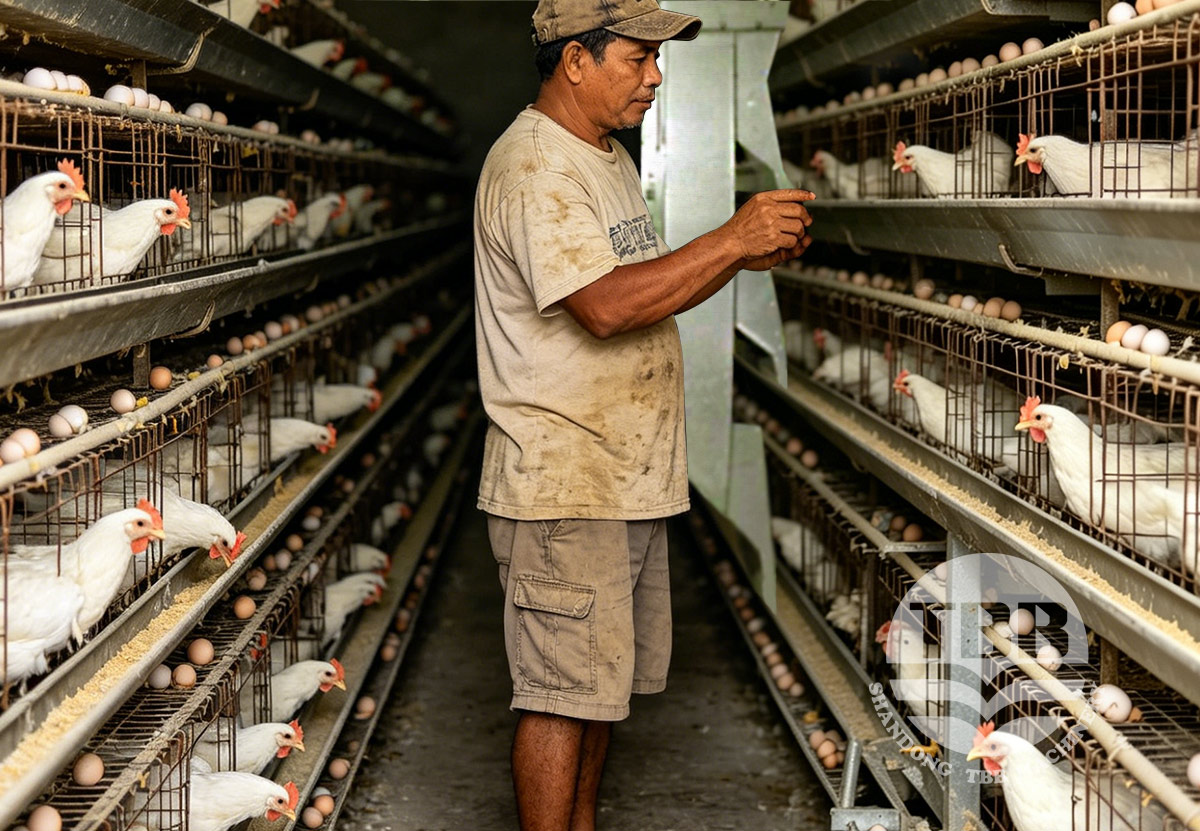
Another hard truth is the shrinking pool of dependable farm labor. Automated egg collection belts, automatic feeding systems, and mechanical manure scrapers built into modern layer cage systems make a 20,000-bird farm manageable with just three to four workers. That kind of labor-saving poultry equipment isn't a luxury in the Philippines anymore — it's an operational necessity.
The push for cage-free egg production, however, is gaining a cautious foothold in Metro Manila hotels and upscale supermarkets that have announced commitments to source only cage-free eggs by 2030. If your farm serves these niche premium markets, sticking exclusively to conventional battery cages could lock you out of high-margin contracts. Additionally, draft legislation inspired by global animal welfare trends could eventually restrict conventional cages, making it crucial for large integrators to have a pilot free-range or barn egg production setup ready.
▶ When Battery Cages Don't Make Sense in the Philippines
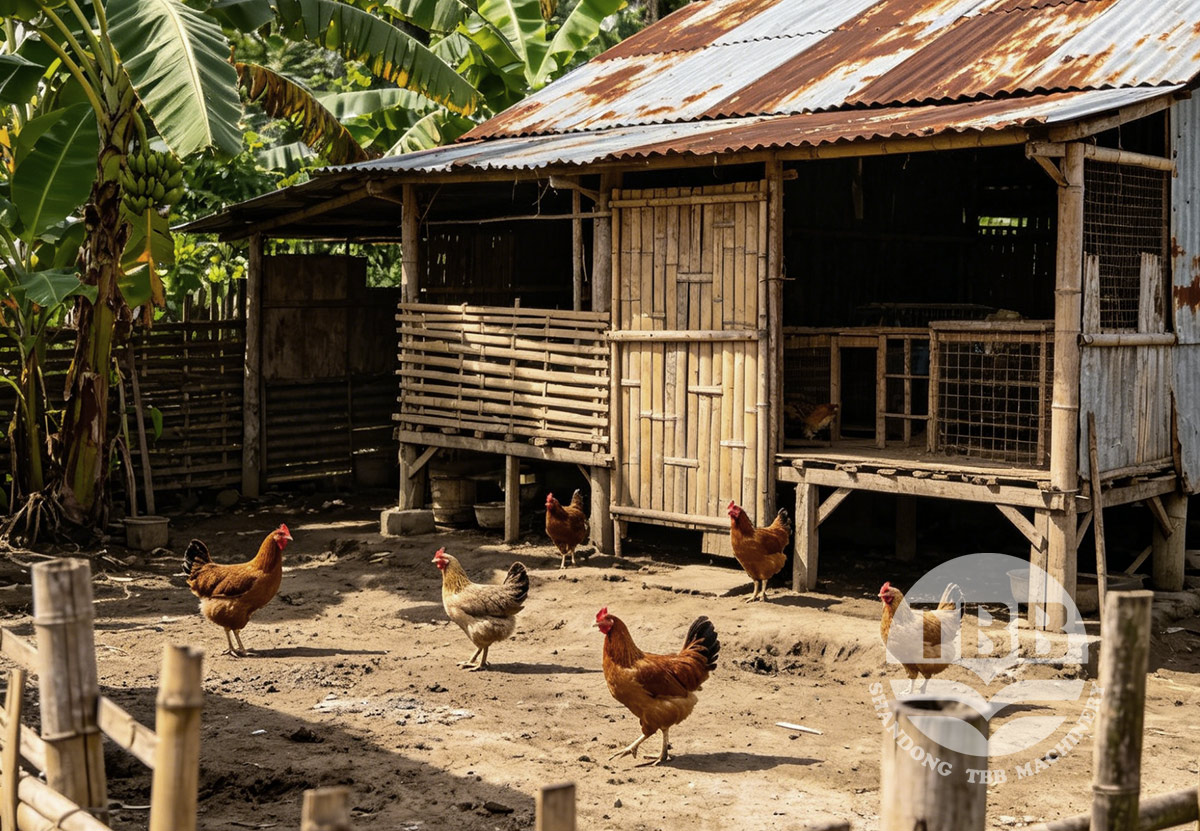
Despite the efficiency, battery cages aren't a universal solution. First, the upfront capital expenditure for a fully automated layer cage system with a 10-year lifespan ranges from PHP 800,000 to PHP 2.5 million for a 5,000-bird module, a daunting figure for small-scale poultry farmers without access to low-interest agricultural financing.
Second, in off-grid areas or islands where power supply is erratic — think parts of Samar or Palawan — a high-tech environmental control system becomes a risk. A 4-hour power outage in a densely stocked battery house can kill thousands of hens from heat stress unless you've invested in a heavy-duty backup generator.
Third, farms near saltwater coasts face severe galvanized cage corrosion, and upgrading to full stainless steel cages can double the investment cost.
Lastly, if your target market consists of local wet markets and sari-sari stores where price per egg is the only buying trigger, the extra cost for enriched or cage-free systems yields zero return, making conventional galvanized layer cages the most cost-effective layer farming solution.
▶ The Bottom Line for Filipino Egg Producers
If you're scaling a commercial egg production business north of 3,000 layers, investing in a high-quality, hot-dip galvanized battery cage system with tropical ventilation engineering is still the surest path to consistent profit per egg. For smallholders or those in hyper-remote locations, a modified semi-intensive setup may keep overhead low enough to weather market swings.
The winning approach in today's Philippine egg industry is hybrid: run a highly efficient automated battery cage core and supplement with a manageable cage-free line if your buyers demand it. Quality of manufacture matters intensely — flimsy, poorly welded cages will collapse, corrode, and cause vent feather loss and foot pad dermatitis faster than you can say "production dip."
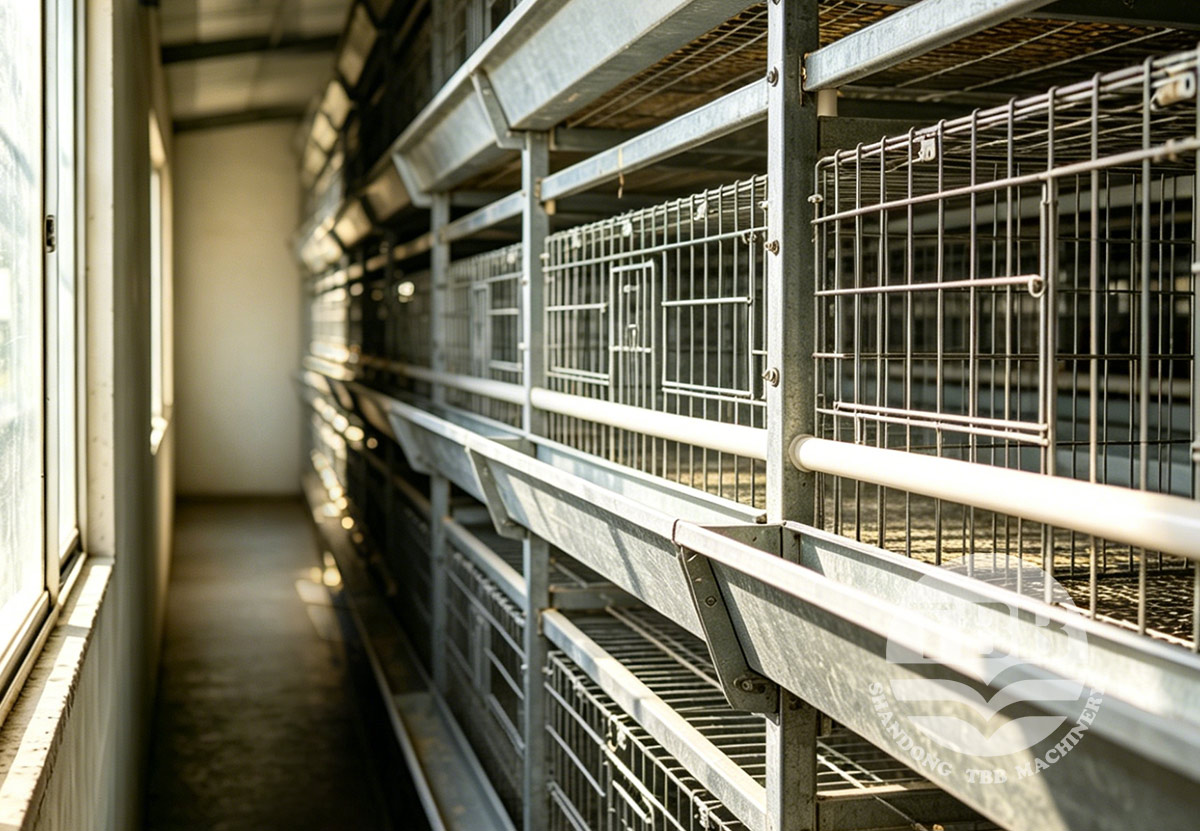
Ready to outfit your farm with durable, climate-adapted layer cages or upgrade your old A-frame sheds to modern H-type battery systems? Contact us today and mention this article to lock in the best price of the year, including free 3D layout design and discounted installation support anywhere in the Philippines — this is the most competitive quote you will find this season.