



News
From 500 to 5,000 Broilers: The Real Profit Numbers Zambia's Poultry Farmers Don't Share
Source: TBBView: 118From 500 to 5,000 Broilers: The Real Profit Numbers Zambia's Poultry Farmers Don't Share
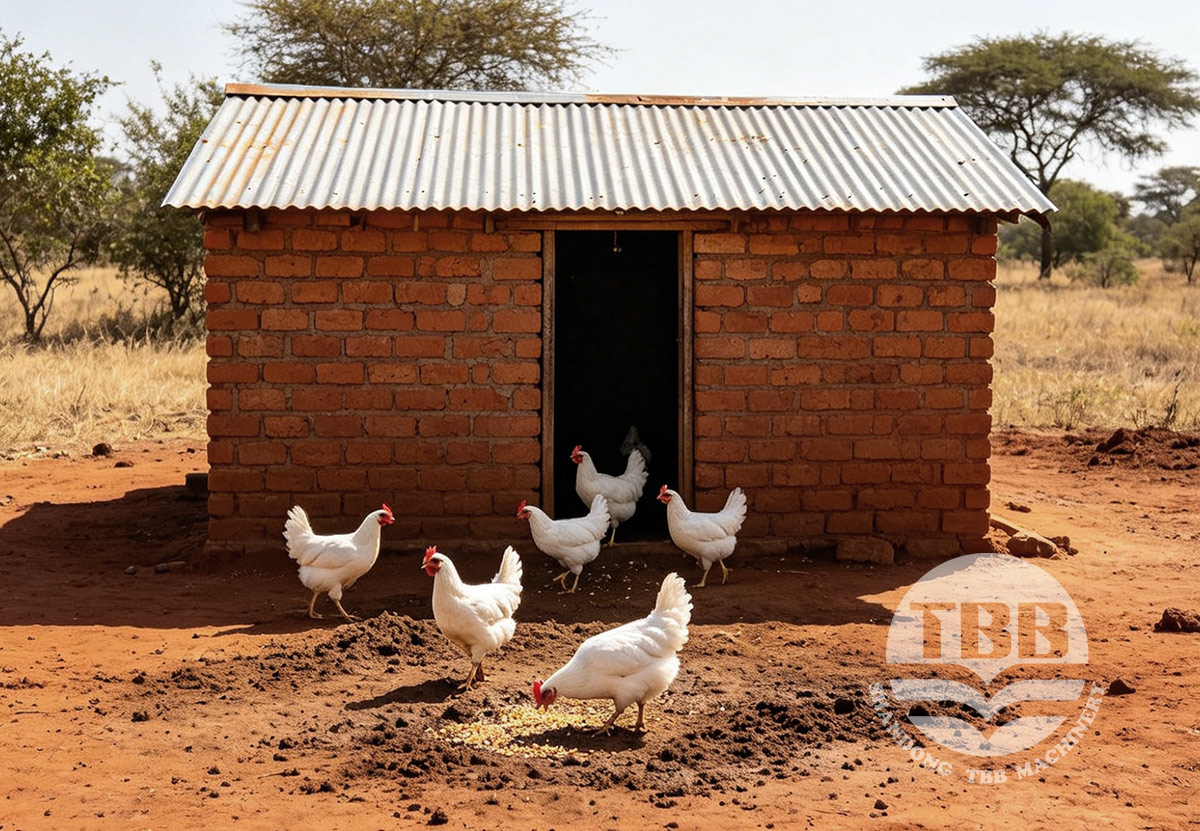
Last month, I knelt in the dust outside a broiler house in Chongwe, going through a farmer's crumpled receipts by phone light. He'd just wrapped his first 500-bird batch and walked away ZMW 8,200 in the red. It wasn't disease or bad weather that sank him. It was backyard math—rounding down feed costs, forgetting to count his own labor, and trusting social media claims of "easy 30% returns in six weeks." We rebuilt his budget line by line. Then we mapped the same cost logic onto a 5,000-bird operation. The gap between the two revealed something most poultry farming guides in Zambia skip entirely.
▶ Day-Old Chicks: The Cheap Ones Cost More
Let's start with the basics. A vaccinated day-old broiler chick from a reputable Lusaka hatchery runs ZMW 13–15 per bird. Cut-rate chicks at ZMW 10–11 look like a steal until you run the real numbers: our on-farm data from 14 smallholdings across Kafue and Chongwe shows unvaccinated flocks average 9–11% mortality, plus poor flock uniformity that drags down average market weight by 150–200g per bird. At 500 birds, that stings. At 5,000, the weight gap alone costs you over 700 kg in lost sales. The savings on chicks vanish before day 21, regardless of your scale.
▶ Feed: Where Every Budget Faces Its Moment of Truth
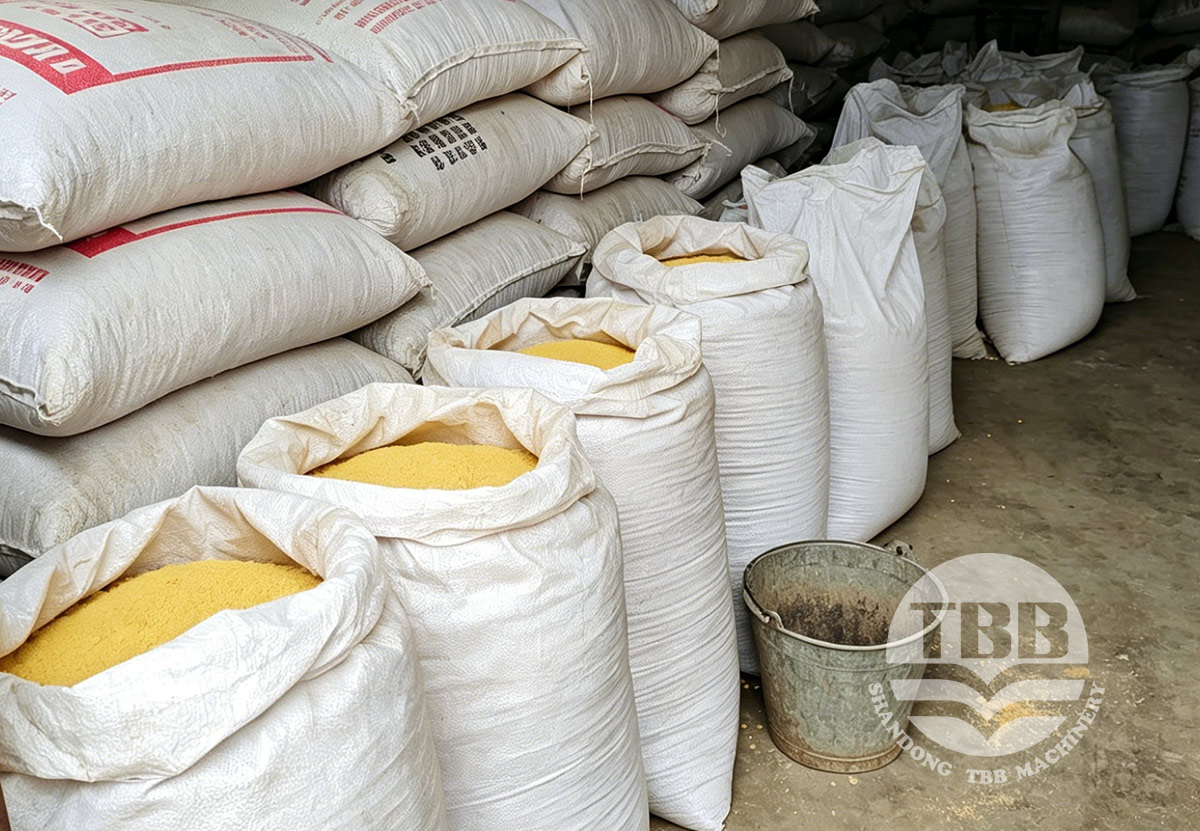
Feed is where every budget faces its moment of truth. To hit a 2.1 kg live weight at day 42, each bird needs 3.7–3.9 kg of feed—split roughly 1 kg starter and 2.8 kg finisher. For 5,000 broilers, you're looking at 370–390 bags total, not the inflated counts you'll see in careless online breakdowns. At current mill prices—starter at ZMW 490–530 per 50 kg bag, finisher at ZMW 460–490—your poultry feed formulation cost lands between ZMW 296,000 and ZMW 338,000. For a 500-bird batch, the feed bill is proportionally similar. But the operational costs around it tell a completely different story.
▶ Hidden Costs Every First-Time Farmer Leaves Out
Here's what almost every first-time farmer leaves out. Brooder heating runs ZMW 1,700–2,600 for a 500-bird house, but ZMW 8,000–14,000 for 5,000. A full vaccine course covering Newcastle, Gumboro, and infectious bronchitis costs ZMW 900–1,300 for a small flock, scaling to ZMW 7,000–11,000 at commercial volumes. Litter, biosecurity, transport to wholesale poultry markets, and equipment maintenance add ZMW 3,200–4,100 for a small setup versus ZMW 25,000–35,000 at scale. These fixed costs don't move proportionally—they cluster, and how you handle them determines whether you're running a business or a very demanding side job.
▶ 500 Birds vs. 5,000 Birds: Side-by-Side Budget Breakdown
Let's put both scenarios side by side.
500-bird batch (deep litter system):
Chicks: ZMW 7,000
Feed (38 bags): ZMW 32,300
Heating, vaccines, litter, transport, misc: ZMW 4,700
Total cost: ZMW 44,000
Revenue at 3% mortality, 2.1 kg, ZMW 39–43/kg: ZMW 39,700–43,800
Net operating profit: ZMW 3,200–5,800
5,000-bird batch (commercial broiler house):
Chicks: ZMW 70,000
Feed (380 bags): ZMW 323,000
Heating, full vaccination, litter, biosecurity, transport, maintenance: ZMW 48,000
Total cost: ZMW 441,000
Revenue at 3% mortality, 2.1 kg, ZMW 39–43/kg: ZMW 397,000–438,000
Net operating profit: ZMW 35,000–58,000
Notice what's missing from both calculations? Your own labor. Most small farmers don't pay themselves a wage, so that ZMW 3,200–5,800 "profit" at 500 birds is effectively a salary for six weeks of daily, early-morning work. This is the unglamorous middle ground no one posts about on TikTok. At 5,000 birds, you're no longer trading your labor for money—you're managing a production system. But that shift only works if your operation can deliver consistent results without you personally filling every feeder.
▶ Three Silent Profit Killers at Any Scale
Three things eat profits at any scale, and they rarely appear in generic farming advice.
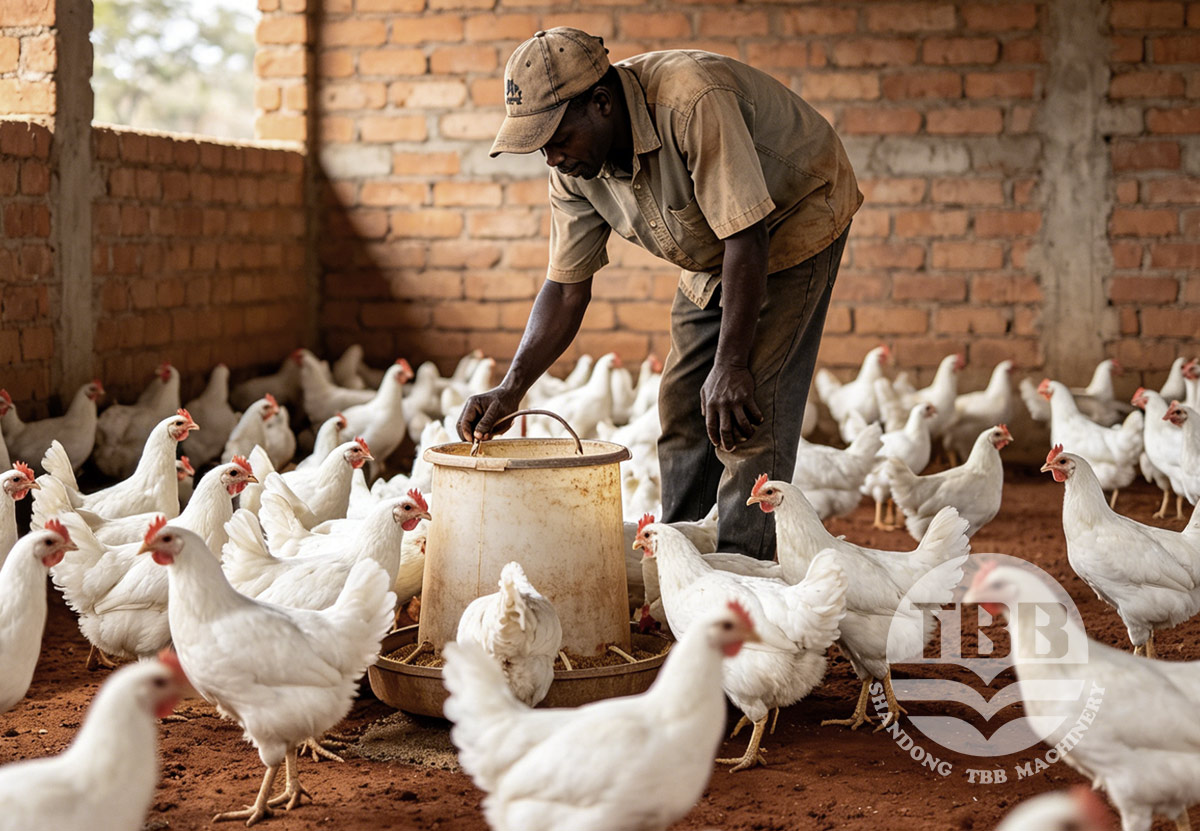
First, unmeasured feed waste. Open trough feeding can lose 8–12% of feed to spillage and spoilage, silently pushing your FCR from 1.8 to 2.1. On 380 bags, that's 30+ bags per cycle—vanished into the litter. Second, biosecurity gaps. One delivery vehicle entering your property without disinfection can introduce Newcastle disease that kills 60% of a flock in five days. At 5,000 birds, that's a ZMW 250,000 loss from a single lapse. Third, holding birds past day 42 waiting for a better price. After week six, broilers put on fat, not muscle, and feed efficiency drops sharply. You'll burn more on extra finisher than you'll gain from a ZMW 2–3 price bump. The growers who consistently profit are the ones who harvest on schedule and time their cycles around month-end paydays and holiday demand peaks—when live broiler prices jump ZMW 6–9 per kg.
▶ Is Broiler Farming Worth It in 2026?
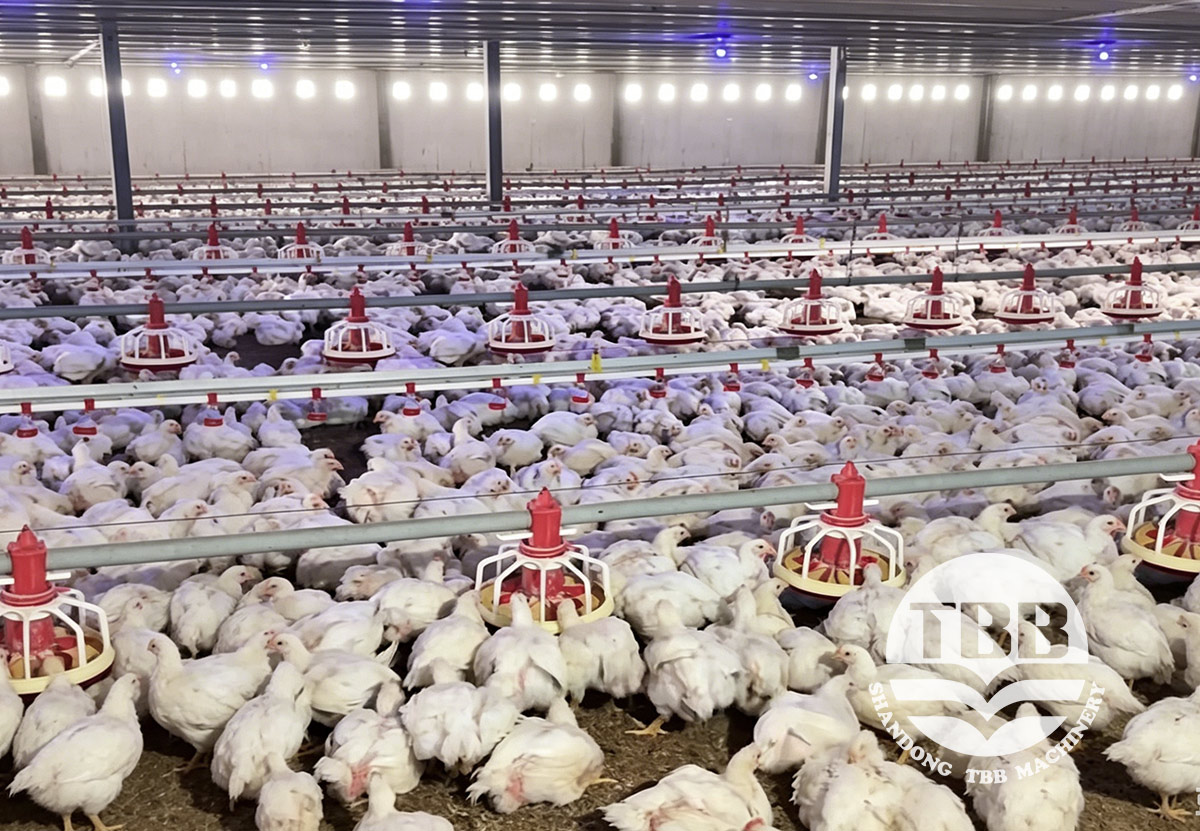
For smaller operators reading this, the path to profitability isn't closed. We've seen 500-bird farmers build sustainable incomes through contract growing agreements with processors, or by selling pasture-raised birds direct to households at a 25–30% premium. These models work without massive capital outlay. But if your goal is independent commercial broiler production at 5,000 birds and above, you're no longer in the chicken business—you're in the efficiency business. The common thread across every profitable large-scale operation we've studied is precision: precise feeding, precise climate control, precise record-keeping. When margins per bird are measured in kwacha, you cannot afford to lose them to human inconsistency.
Is broiler farming worth it in 2026? Without question—at any scale, if you match your production model to your resources. The 500-bird growers we advise who track every bag, weigh birds weekly, and sell on schedule see average annual ROI of 23%. At 5,000 birds, operators who build for efficiency from day one hit those same returns, but on a capital base that makes the number meaningful. The ones who fail at either scale share one trait: they guess instead of measure.
If you want a cost and revenue projection tailored to your target scale and local market conditions, reach out. We charge for detailed projections because they take real work, but we've kept this year's rate as low as we can make it. Every consultation includes a printable broiler FCR tracking sheet—a single tool that typically saves commercial growers ZMW 30,000 or more per batch by catching feed waste early.