



News
Kenya Poultry Farming: Why 80% of Small Farms Fail in Year One
Source: TBBView: 169Kenya Poultry Farming: Why 80% of Small Farms Fail in Year One
Talk to any poultry farmer in Nakuru or Eldoret and you'll hear the same story sooner or later: a neighbour started a layer project with savings and optimism, and within twelve months the birds were gone and the loan wasn't. The numbers behind small scale poultry farming in Kenya are brutal. Based on follow-up visits with smallholder cooperatives and our field team, first-year failure rates sit around 80% for beginners who walk in without a proper plan. That figure sounds extreme until you sit down with the books.
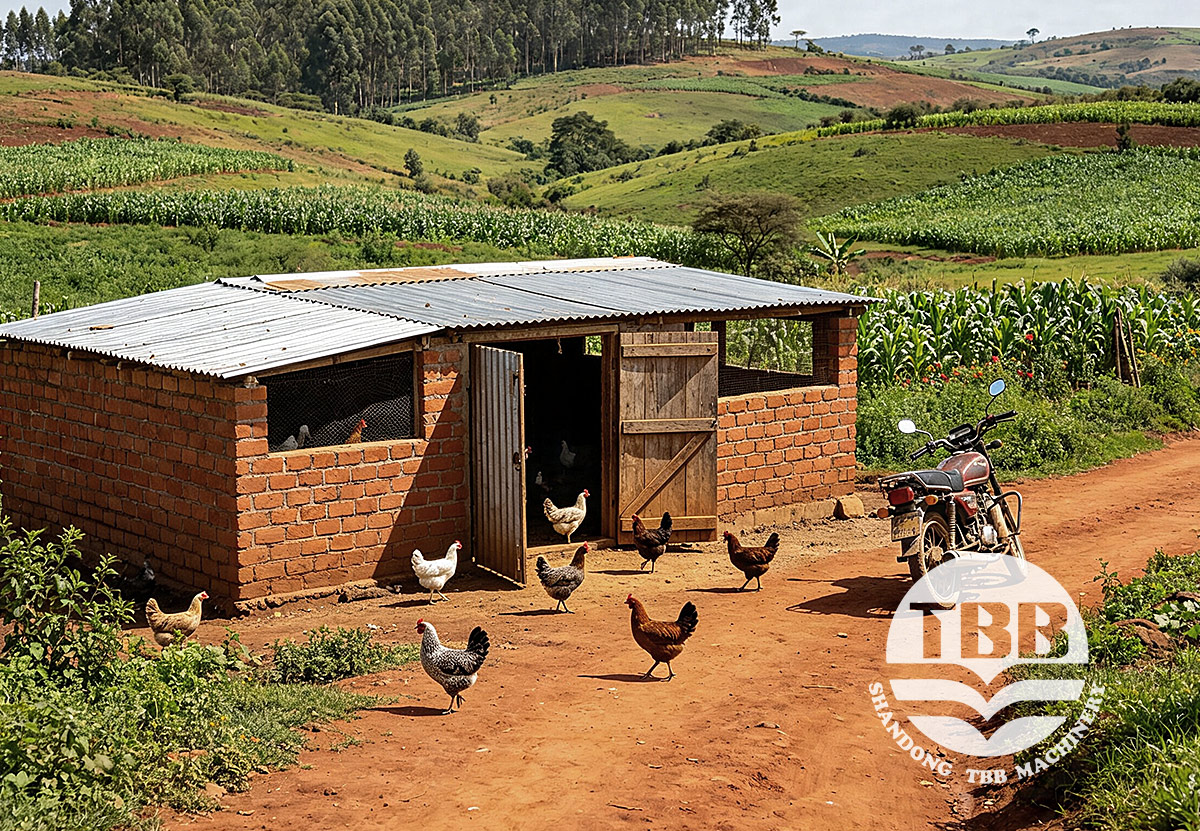
The truth is, most of these farms don't fold because chickens are hard to keep alive. They fold because the business side was never actually built. If you're reading up on poultry farming in Kenya for beginners, here are the five traps that shut most small operations down before they ever reach a second flock.
▶ 1. Undercapitalisation: The Silent Killer
A lot of new farmers price their startup around chicks, cages and a few bags of feed, then assume the eggs will start paying the bills in month four. They don't budget for the four to five months before point-of-lay, or for the swing in poultry feed prices in Kenya, which moved sharply through 2025 and into 2026 as maize and soy costs shifted. Feed is roughly 70% of your running cost, and when a smallholder runs out of cash in week ten, the flock gets underfed and the whole cycle breaks.

Anyone putting together a Kenya layer farming startup costs sheet needs a minimum four-month working capital buffer, not a best-case projection. The survivors are those who could keep feeding birds not yet laying.
▶ 2. Disease: Almost Always Self-Inflicted
Newcastle disease control in Kenya is well understood — there's a vaccination schedule every vet knows — yet farms still skip it to save a few shillings, then lose 30 to 40% of the flock in a single week. Coccidiosis and Gumboro do the same damage quietly. Good poultry disease management isn't expensive: a written vaccination calendar, footbaths at the gate, and restricted visitors. Small farms that treat bird health as a discipline rather than a line item are the ones still standing.

▶ 3. Housing: Where Cheap Gets Expensive
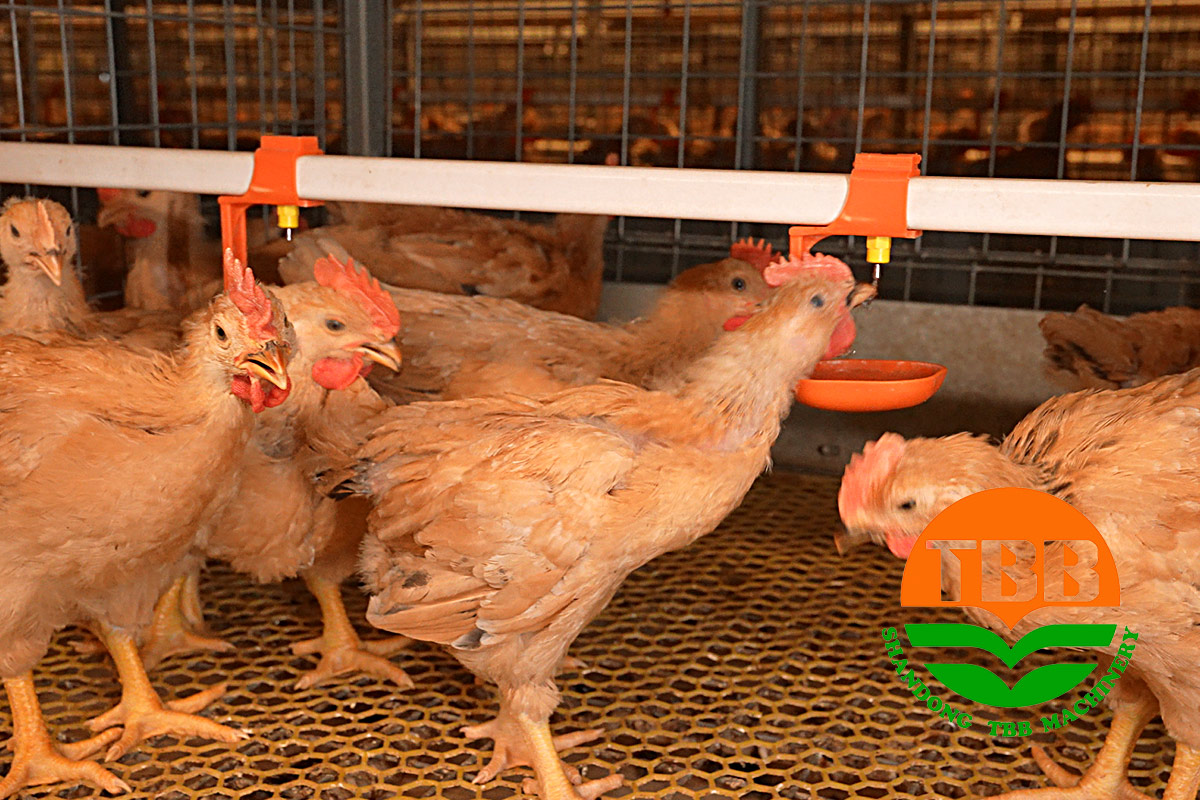
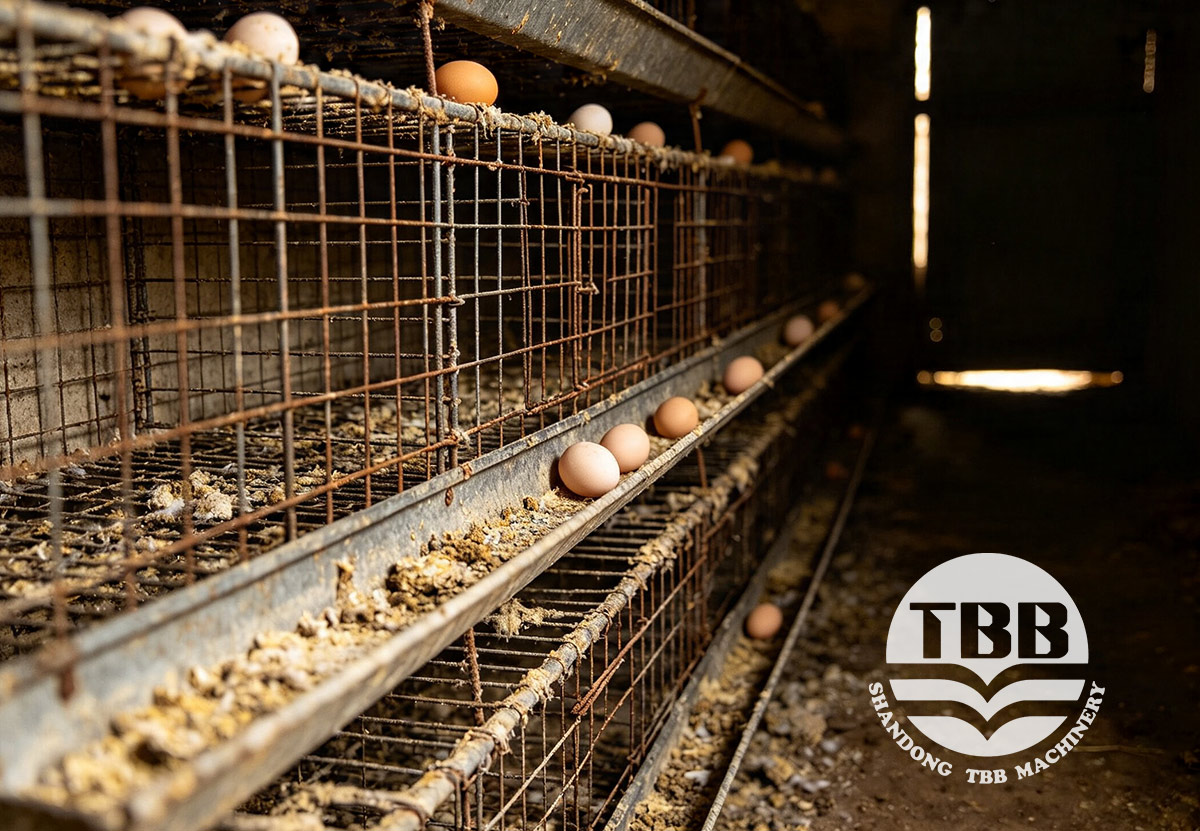
A hot, poorly ventilated shed in Machakos or Kiambu turns into an oven when temperatures climb, and heat stress drives up mortality while egg weight crashes. Farmers who buy the lowest-priced wire often end up replacing rusted cages within a year. If you're comparing layer cage price in Kenya, look at the zinc coating and frame gauge, not just the sticker. A sensible climate smart poultry house in Kenya — built around an automatic chicken feeder, nipple drinkers, a manure belt and an automatic egg collection system — pays for itself by cutting labour and spillage. Reputable poultry equipment suppliers in Kenya and direct importers can spec this for a modest budget — the upgrade that stops a farm bleeding money on wages.
▶ 4. No Records, No Early Warning
Most failed small farms couldn't tell you their real feed conversion, mortality curve or profit per bird if their life depended on it. Poultry record keeping in Kenya is practically nonexistent at the smallholder level, and that's exactly why owners never see a problem until it's already a crisis. A notebook, a simple spreadsheet, or one of the farm apps is enough to catch a dip in production before it becomes a loss. You can't fix what you aren't measuring.

▶ 5. The Market You Never Planned For
Plenty of beginners sell every egg through a broker at the gate and never question the price. When the Kenya egg market price dips, they absorb the hit with no alternative channel. The farms that clear year one usually lock in a buyer early — a hotel, school or retailer — or join a cooperative with real bargaining power.
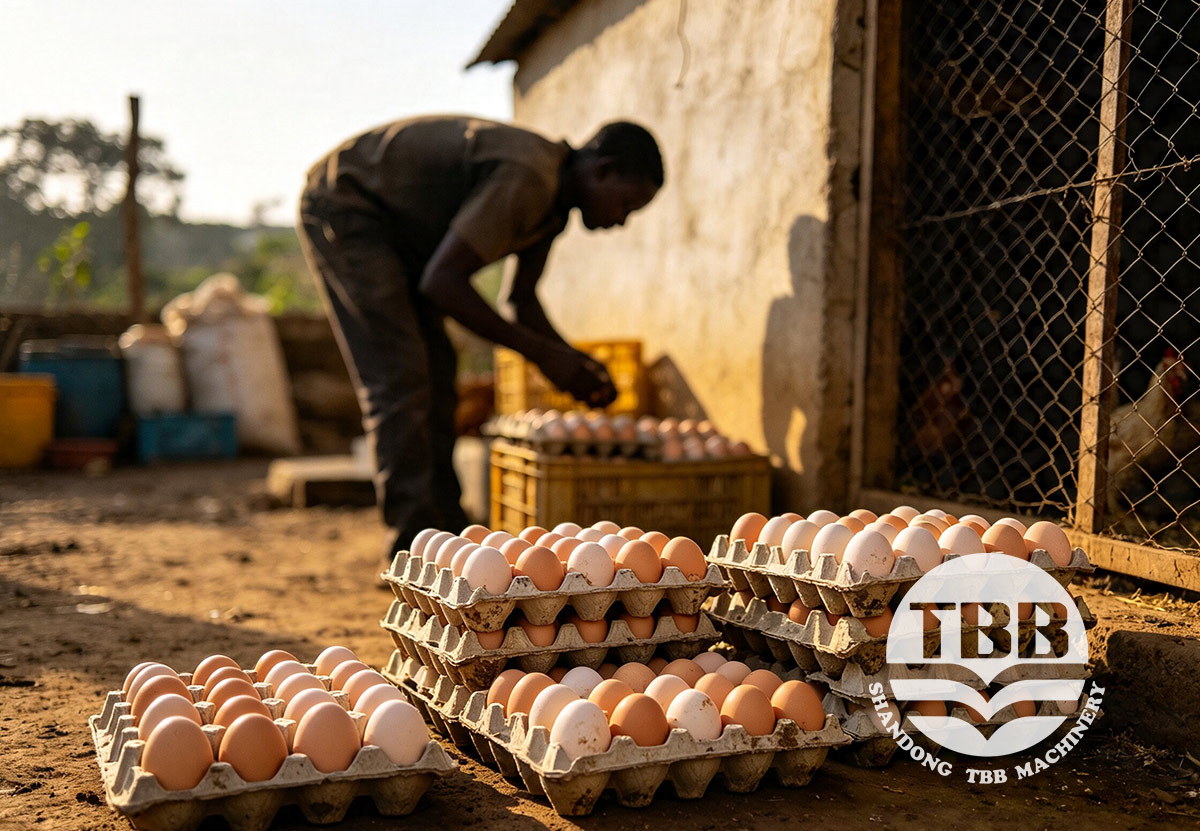
Understanding the poultry value chain in Kenya before you start is worth more than any fancy feeder, because a great flock with no buyer is just an expensive hobby.
So can a small farm actually beat the odds?
Yes. Take a Machakos layer farmer we helped last year: he began in cheap rusted wire with three people collecting by hand, losing around 8% of eggs to cracks and breakage. After switching to hot-dip galvanized cages with an automatic egg collection system, breakage dropped below 2% and one worker now runs the whole shed. The upgrade paid for itself in just over a year — proof the winners share a clear pattern: enough cash to survive the ramp-up, a strict health calendar, housing built for local heat, real numbers in a book, and a market lined up before the first chick arrives. None of that requires luck. It requires treating the farm like a business from day one.
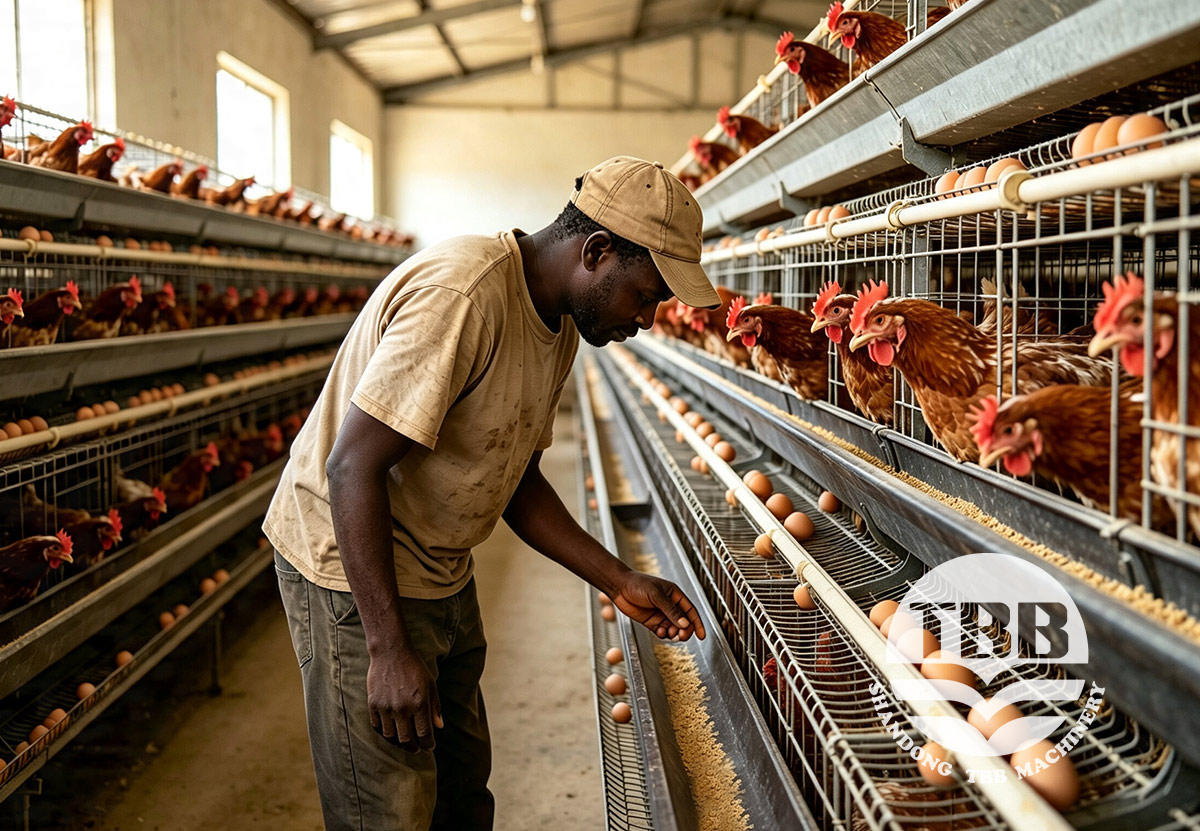
If you're planning a layer or broiler setup in Kenya and want the equipment side done right, talk to us before you buy. We're currently offering our most competitive poultry equipment pricing of the year, including complete layer cage systems, automatic feeders and climate-smart housing packages tailored to Kenyan conditions. Reach out now and we'll send a custom layout and quotation — this year's preferential rates are reserved for farmers who move early, and delivery slots for 2026 are filling fast.
www.tobettermachinery.com | WhatsApp: +86-176 1655 3000