



News
5 Poultry Equipment Mistakes That Cost Sierra Leone Farmers Thousands
Source: TBBView: 1215 Poultry Equipment Mistakes That Cost Sierra Leone Farmers Thousands
On a humid Tuesday morning in Kenema, layer farmer Alimamy Kamara walked into his 3,000-bird poultry house to find 60 of his best hens dead and nearly two hundred eggs smashed on the concrete floor. The culprit wasn't Newcastle disease or a sudden heat wave—it was a cheap, uncoated battery cage that had rusted straight through the floor mesh in less than eight months. Alimamy lost over NLe 14,000 (roughly $650) in a single night, and his story is far from unique. Across Freetown, Bo, Makeni and Waterloo, small-scale and commercial poultry farmers are haemorrhaging thousands of dollars every cycle because of preventable equipment mistakes.
After auditing over 200 farms from Lungi to Kailahun, our team has identified five recurring poultry equipment failures that drain bank accounts and push promising operations to the edge. Fixing these doesn't always require a massive capital outlay—it starts with knowing what to look for and which corners you absolutely cannot cut.
▶ Mistake #1: Choosing the Wrong Drinking System for West African Conditions
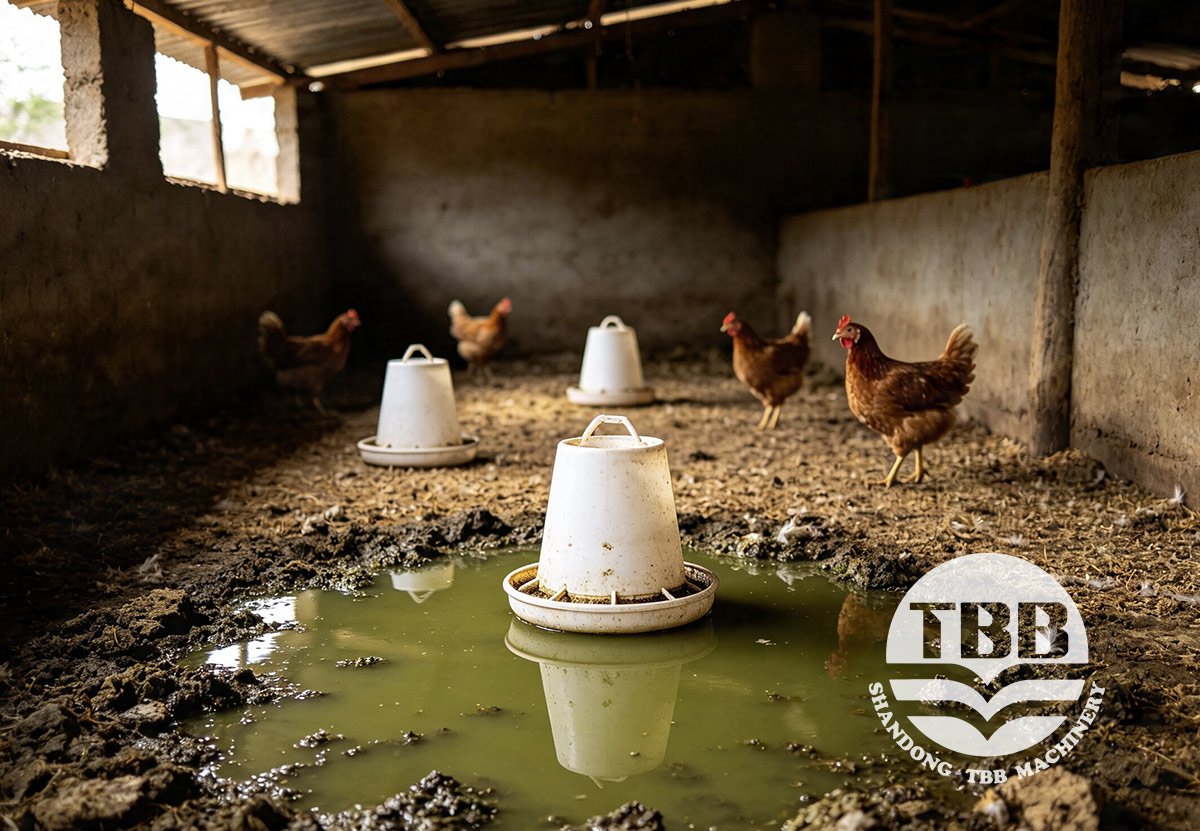
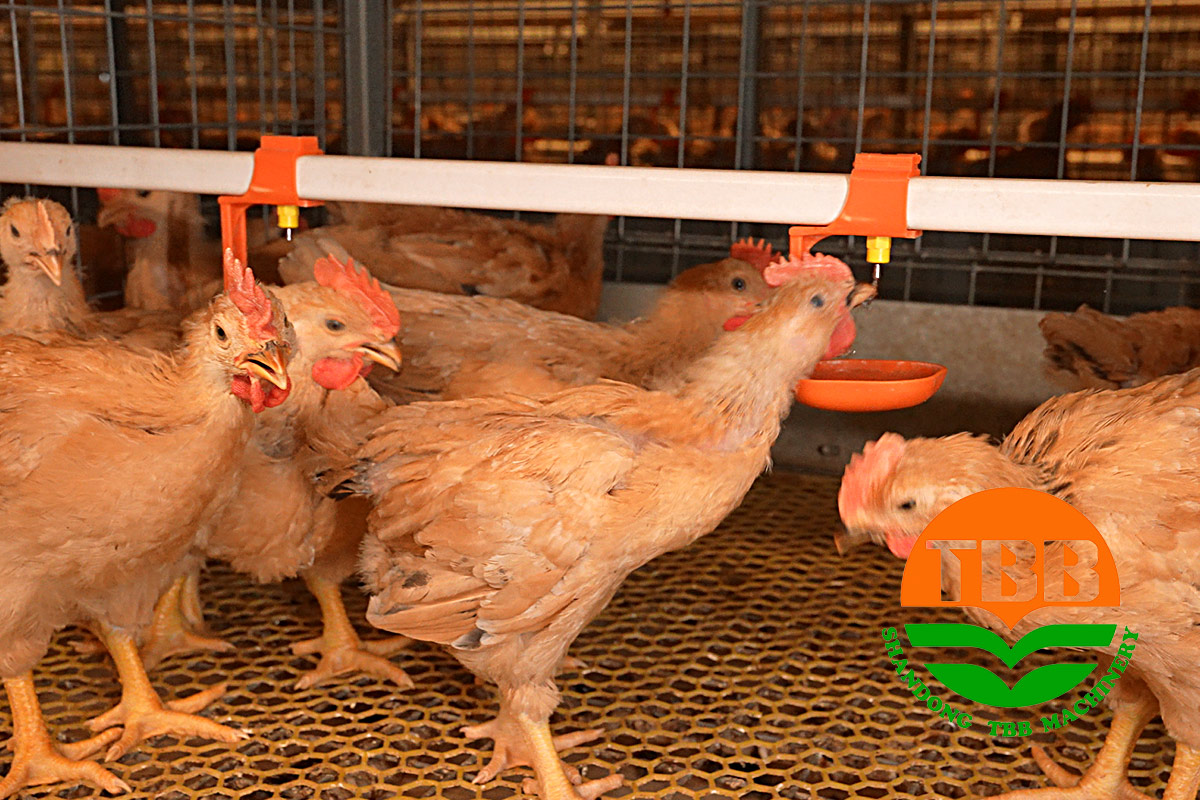
Walk into any typical broiler pen during the rainy season and you'll often see cheap imported bell drinkers sitting in puddles of greenish, foul-smelling water. While these drinkers seem affordable upfront, their tendency to leak and tip over creates persistent wet litter problems. Damp litter breeds coccidiosis and necrotic enteritis, sends ammonia levels soaring, and causes respiratory stress that quietly kills your profit margin. We recently visited a 4,500-bird broiler farm in Waterloo where a leaking drinker line—installed without pressure regulators—led to a 12% mortality spike in week 5. The farmer simply didn't know that poultry nipple drinker installation in Sierra Leone's humid climate requires low-flow nipples with drip cups and proper height adjustment for layers.
Solution: Invest in a sealed nipple drinker system, even for open-sided houses. Adding a basic water pressure regulator and flushing lines weekly reduces biofilm buildup. For farmers still using bell drinkers, hanging them at back height and checking rubber seals every three days stops most leaks. Mastering nipple drinker maintenance for tropical climates keeps litter dry, cuts coccidiostat costs, and flattens your mortality curve.
▶ Mistake #2: Underpowered Ventilation and Relying on Windows Alone
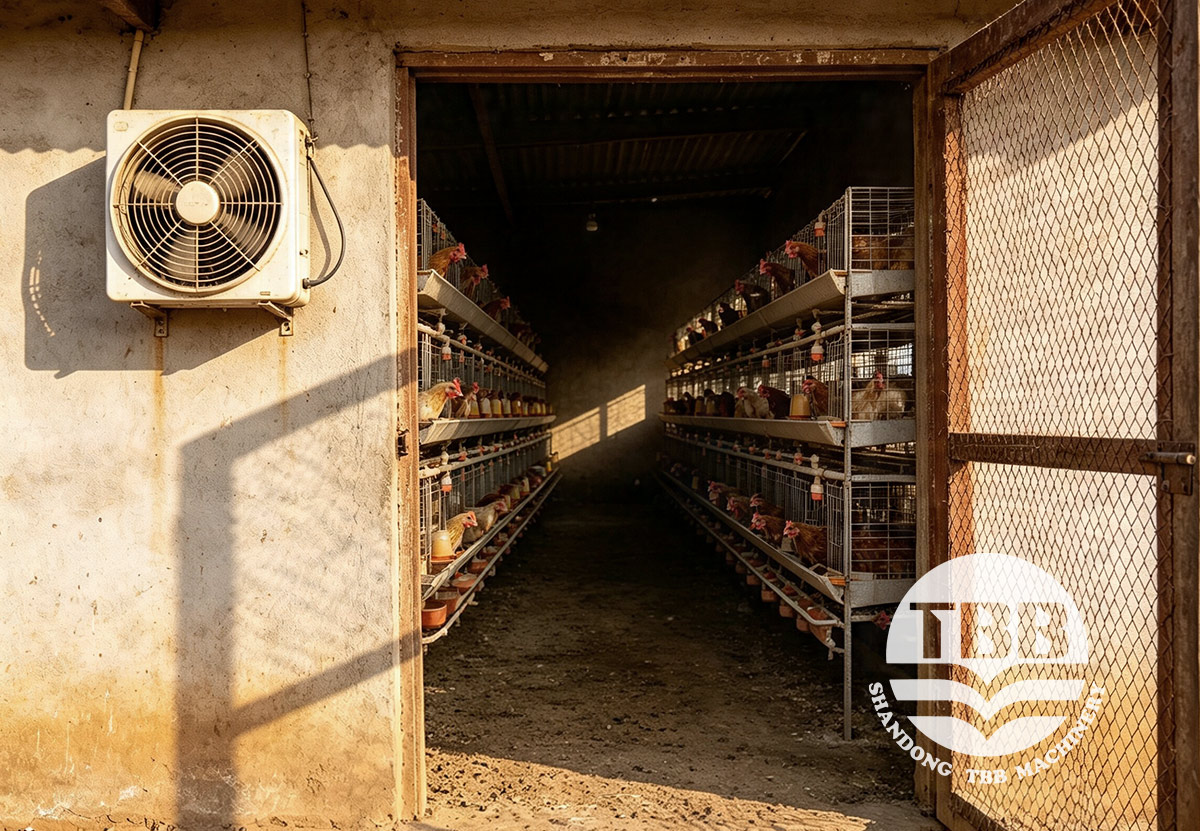
Sierra Leone's coastal humidity creates a hidden danger inside poultry houses: excessive ammonia and stagnant air. Many farmers try to save money using undersized exhaust fans or skipping mechanical ventilation entirely, trusting the breeze from wire-mesh side curtains. That gamble backfires spectacularly when temperatures climb above 32°C and the air goes dead. We documented a broiler farm near Freetown that installed a small bathroom-style exhaust fan instead of a properly sized 36-inch unit. During peak dry season, heat stress mortality jumped to 7% in the final week, wiping out an estimated NLe 8,000 in profit. Equally common is missing circulation fans in deep litter houses, where ammonia builds near the floor and damages respiratory tracts long before you smell it.
Solution: Calculate exhaust fan sizing for humid climates by moving at least 4 cubic metres of air per hour per bird in closed sections. Even open houses benefit enormously from a temperature-controlled exhaust fan on the leeward wall paired with rot-resistant adjustable side curtains. A quick search for tunnel ventilation conversion cost in West Africa shows small retrofits pay for themselves within two cycles through reduced mortality and improved feed conversion.
▶ Mistake #3: Buying Cheap, Non-Galvanized Poultry Cages
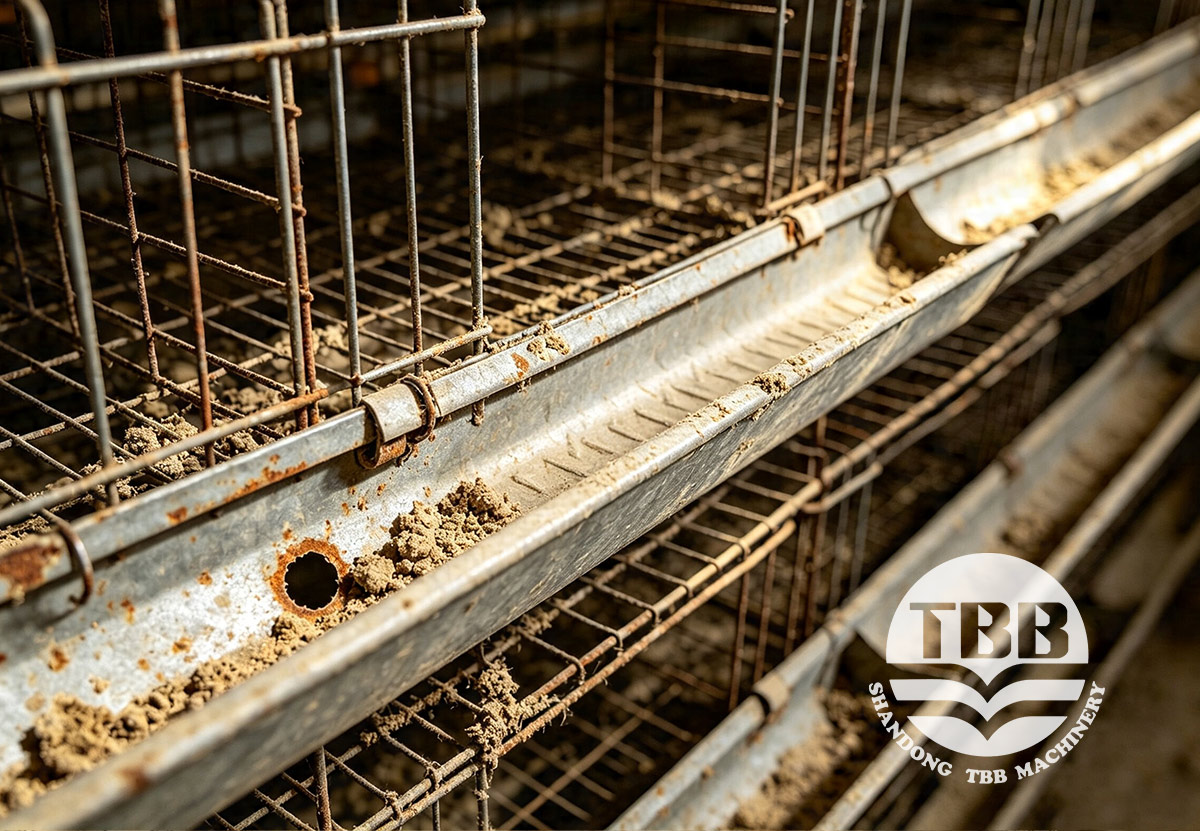
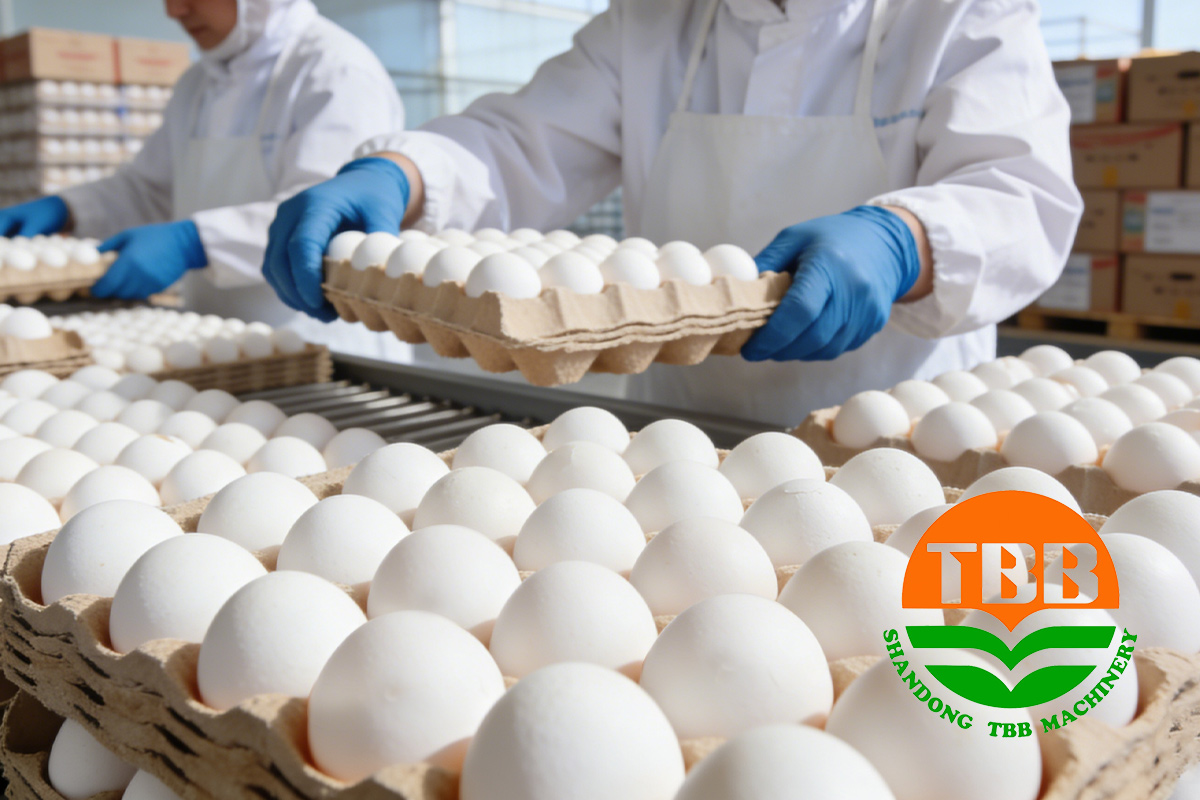
The temptation to save $20 per unit on imported layer cages is enormous, but uncoated wire and cold-rolled steel cannot survive Sierra Leone's high humidity, acidic droppings and frequent cleaning. Within six to nine months, rust spots bloom on the bottom wire, welds snap, and egg breakage rates climb above 5% as the floor slope flattens. A farmer in Bo told us she was collecting 20 fewer trays of eggs per week from her "new" 128-cage block—cracks and reject eggs soared because a rusted-out battery cage floor slope held manure instead of letting eggs roll out.
Solution: Demand hot-dip galvanized poultry cage specifications with a zinc coating of at least 275 g/m². Look for suppliers that provide a written two-year rust-through guarantee. Searching for galvanized layer cage suppliers in Africa or rust-proof poultry cages for tropical climates connects you with manufacturers who understand West African conditions. The small price premium is nothing compared to lost birds, broken eggs and medication expenses from early cage failure.
▶ Mistake #4: Unreliable Brooders and Incubators Without Power Backup
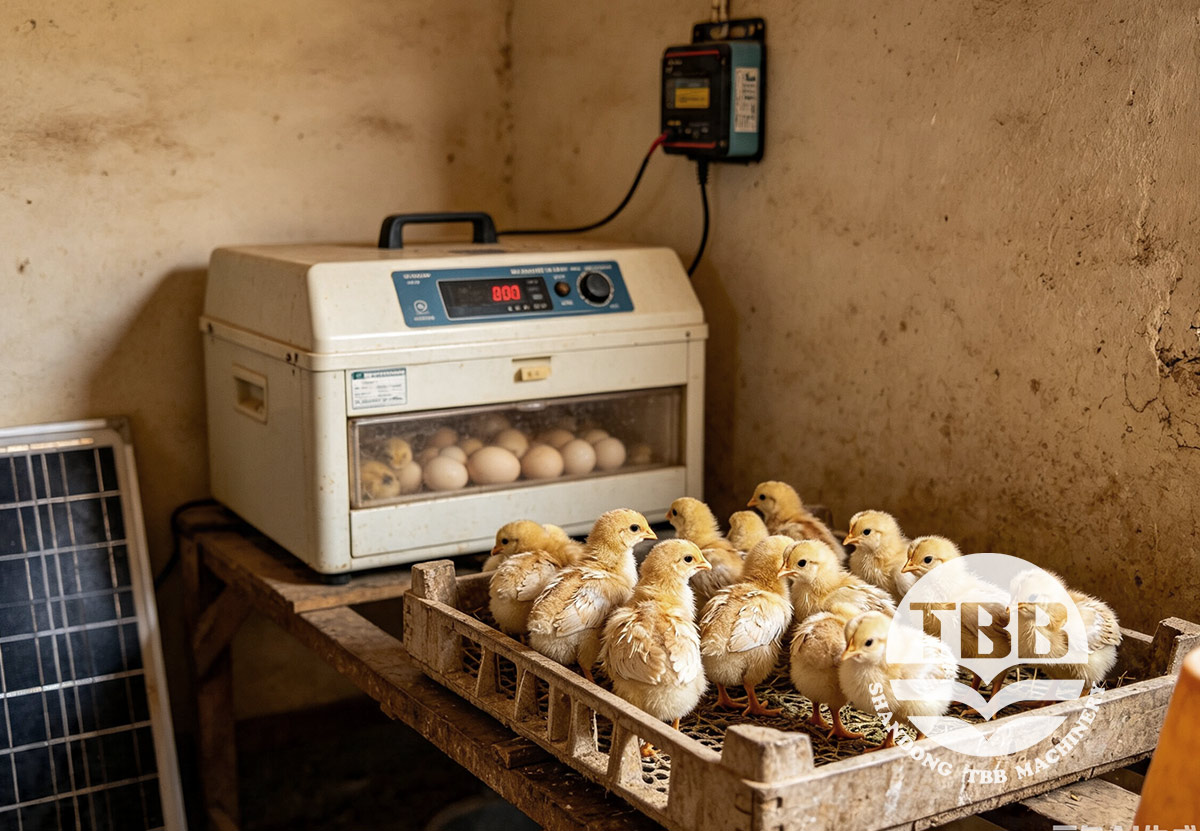
Day-old chicks are fragile—a single 90-minute temperature dip can wipe out hundreds of birds overnight. In peri-urban Freetown where grid power fails 3–5 times weekly, many farmers still rely on charcoal or kerosene brooders. Beyond fire risk, these produce uneven heat zones (up to 8°C difference across the same pen) and release carbon monoxide that suppresses chick immunity. Last month, a hatchery operator in Makeni lost 500 day-old chicks after a cheap imported incubator shut down during a two-hour power cut with no solar backup. The search term solar-powered egg incubator in Freetown is climbing fast as farmers seek reliable alternatives.
Solution: Opt for a forced-air incubator with an automatic solar inverter kit and temperature logging. For brooding, infrared electric brooders with thermostatic controls deliver safer, more even heat, cutting the day-old chick mortality that plagues poorly equipped houses. Pair this with a simple digital thermometer placed at chick level—it costs less than NLe 200 but prevents disasters.
▶ Mistake #5: Poor Feed Storage and Conveyance That Invites Mycotoxins
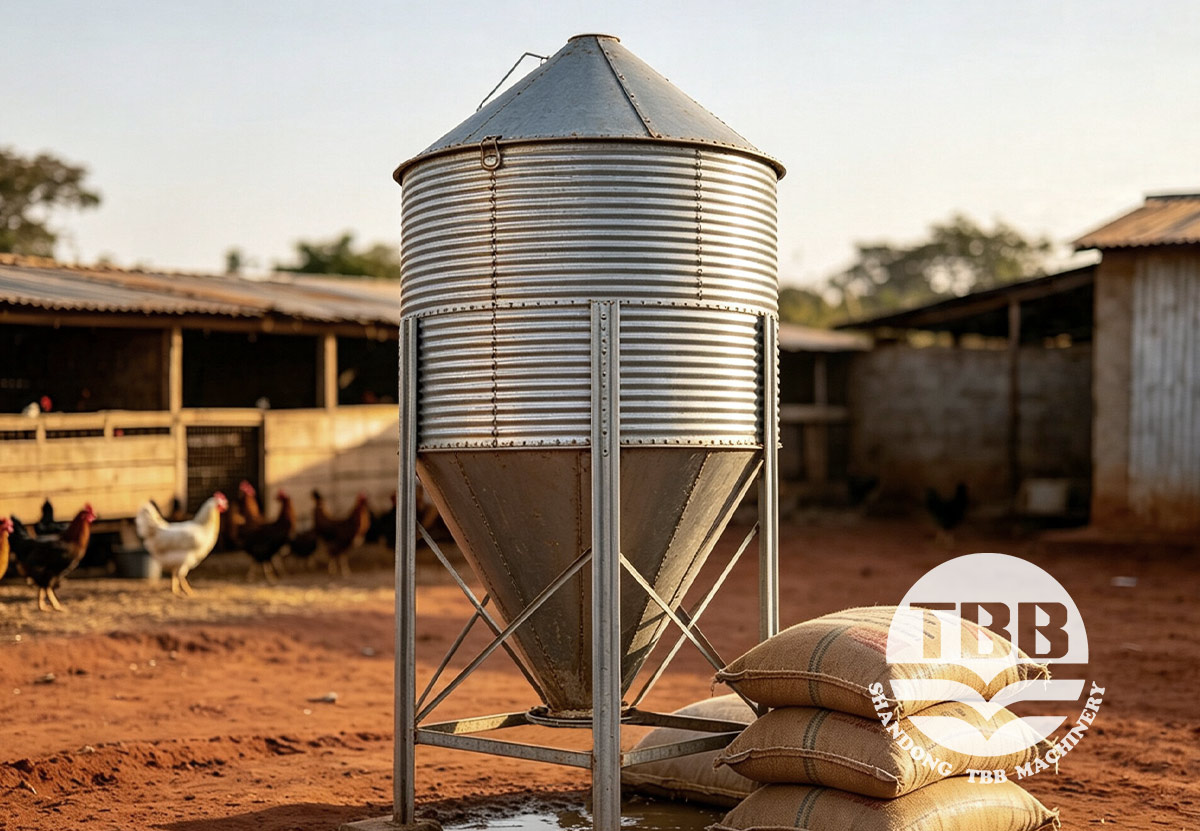
Sierra Leone's rainy season turns improperly stored poultry feed into a mycotoxin factory within days. We've seen farmers store expensive layer mash in recycled oil drums with loose lids, only to discover mould creeping up from the bottom cone. Mycotoxin contamination suppresses immunity, slashes egg production by 15–20%, and causes chronic liver damage. Search volume for feed silo condensation problems in humid climates is rising because condensation inside uninsulated silos creates the exact damp spot where Aspergillus fungi thrive.
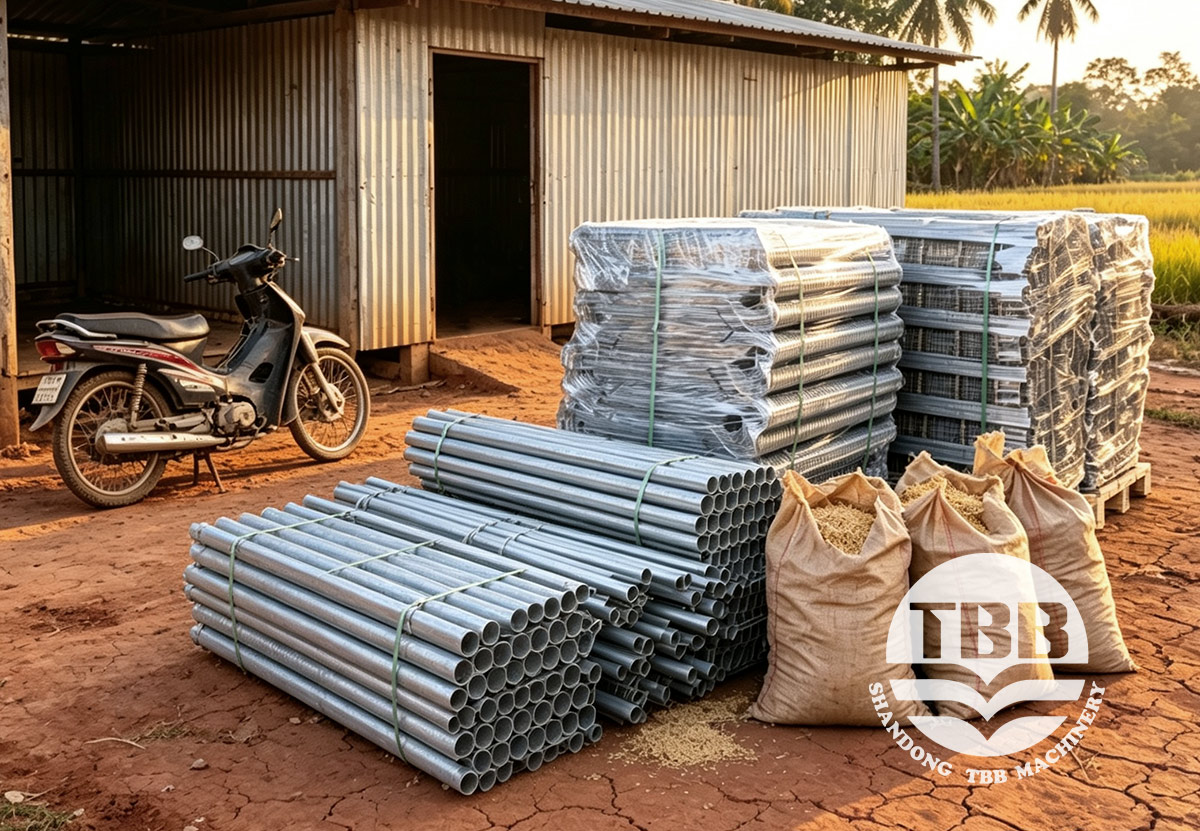
Solution: Store feed in tapered, galvanized feed silos with sealed lids and a raised base to block ground moisture. If a silo is out of reach, use moisture-proof food-grade sacks on wooden pallets inside a ventilated room—never directly on concrete. For farms with auger systems, inspect boots and drop tubes weekly. Farmers searching for mycotoxin binder application equipment in Sierra Leone already know prevention is far cheaper than treating aflatoxin-poisoned flocks.
Stop the Bleeding—Lock In This Year's Best Price by July 31
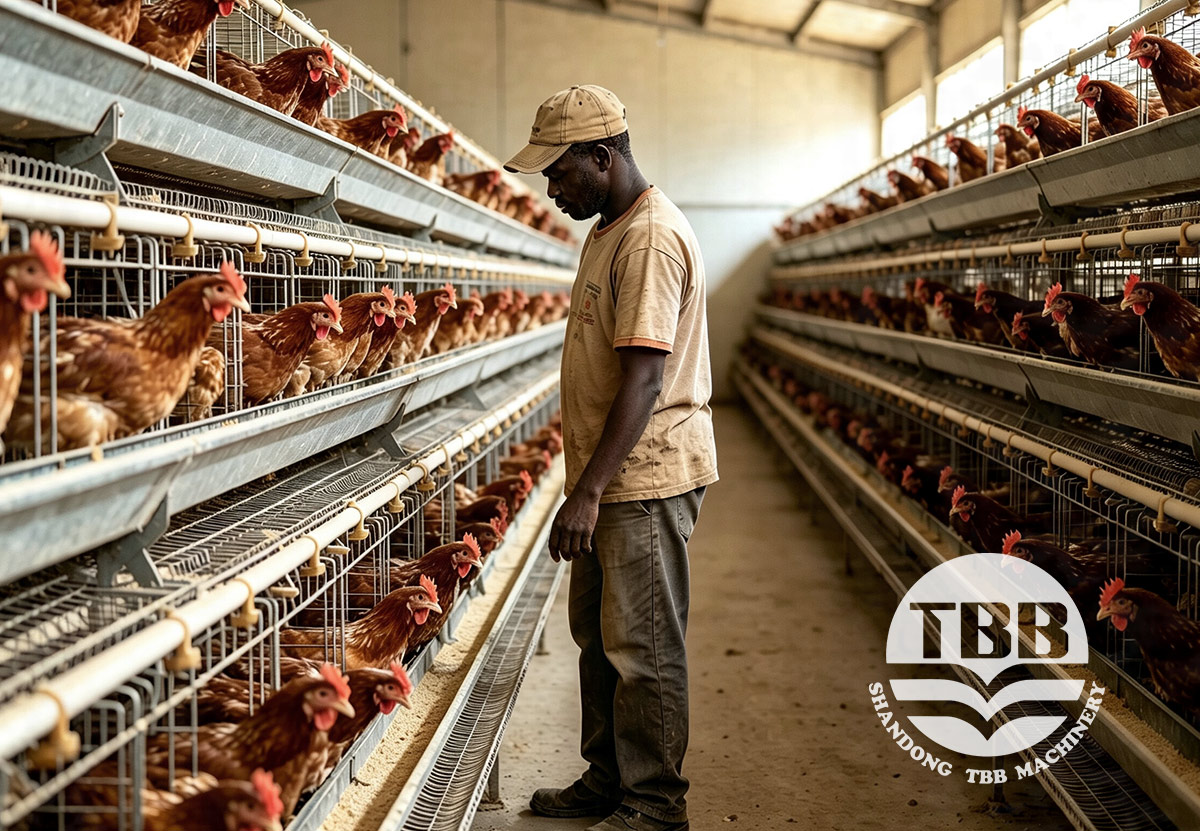
Every one of these mistakes is fixable, and farmers who address them see rapid turnaround. Alimamy Kamara replaced his rusted cages with hot-dip galvanized units, added a correctly sized exhaust fan, and installed nipple drinkers with drip cups. Three cycles later, his mortality is below 2% and egg breakage is almost zero—recovering all his losses and then some.
If any of these equipment failures sounds familiar, don't wait until another flock pays the price. Our poultry equipment specialists at Sierra Poultry Solutions design resilient, climate-smart setups tailored to your budget—whether you're starting a 200-bird layer unit in Waterloo or expanding a 5,000-broiler operation in Bo.
Mention this report before July 31st and get 8% off your entire equipment order plus a free farm layout consultation (valued at NLe 2,500). This offer covers nipple drinker systems, exhaust fans, hot-dip galvanized layer cages, solar-ready incubators and sealed feed silos. Only 32 consultation slots remain for July—we sold out last quarter in 11 days.
Contact us via WhatsApp or call our Freetown office today. Let's build a poultry setup that makes you money, not one that costs you thousands.