



News
How to Choose a Reliable Poultry Equipment Supplier from China
Source: TBBView: 83How to Choose a Reliable Poultry Equipment Supplier from China
The global poultry equipment market has seen a significant shift toward Chinese manufacturing over the past decade. With competitive pricing, rapid production cycles, and increasingly sophisticated engineering capabilities, Chinese suppliers now dominate large segments of the international market for layer cage systems, broiler housing equipment, and automated poultry farm infrastructure. However, not all manufacturers deliver equal value. For farm owners and project developers evaluating potential partners, distinguishing between commodity traders and genuine equipment specialists can mean the difference between a twenty-year asset and a costly mistake.
Look Beyond the Brochure: Signs of Real Manufacturing Capability
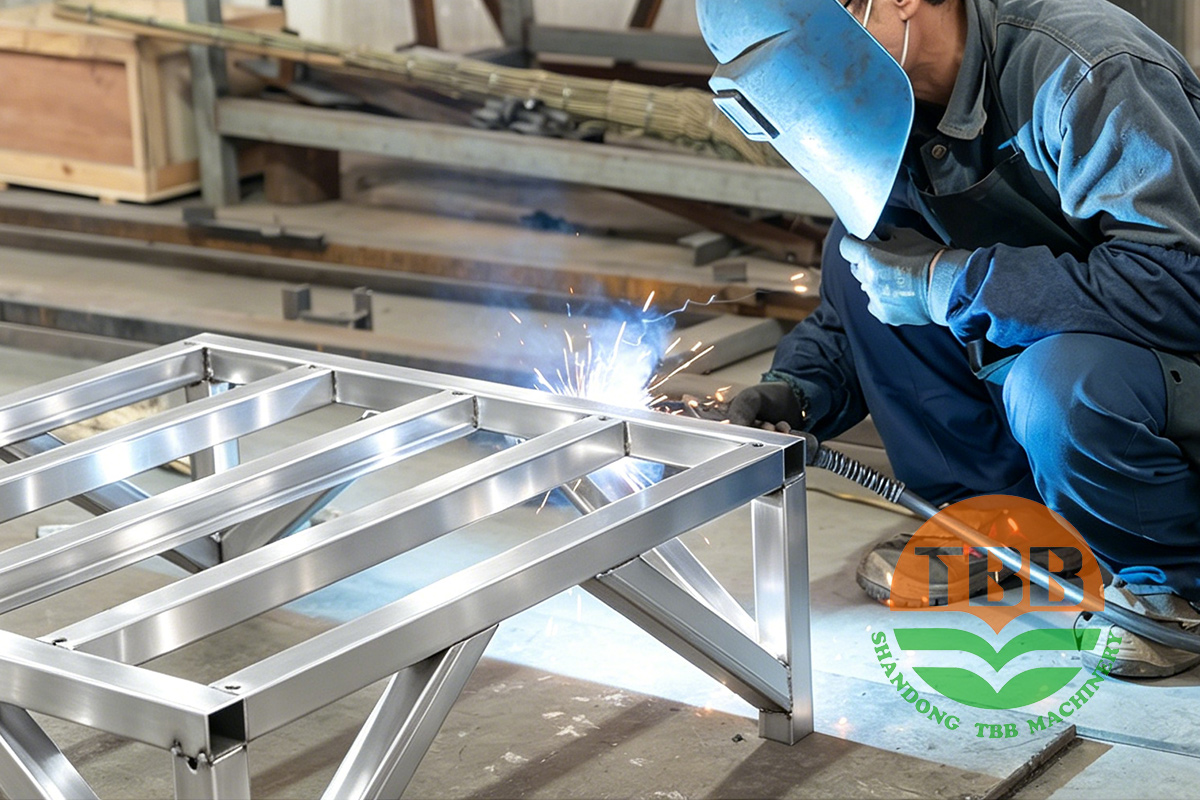
When sourcing poultry housing systems from overseas, the first filter should be manufacturing depth. Trading companies and middlemen can produce impressive websites and catalogues, but they lack control over material specifications, quality assurance protocols, and production timelines. Direct manufacturers, by contrast, maintain in-house fabrication facilities with documented processes for welding, galvanizing, and component assembly.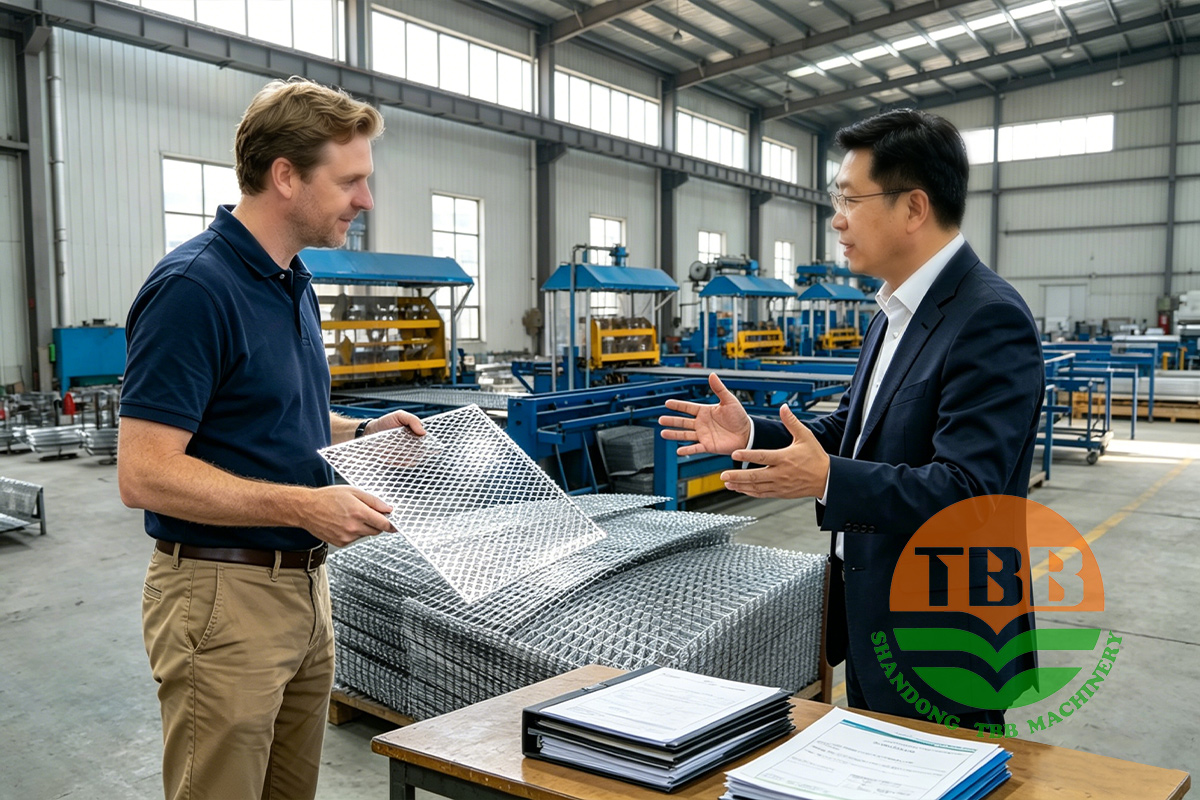
Request documentation of the supplier's actual production facility. Do they operate their own galvanizing baths, or do they subcontract surface treatment? Can they provide material certificates for the steel grades used in their cage frames? For hot-dip galvanized poultry cage equipment destined for high-ammonia environments, the difference between genuine 275g/m2 zinc coating and inferior electro-galvanizing becomes apparent within three to five years of operation. A reliable Chinese poultry equipment manufacturer should welcome these technical questions and provide verifiable specifications.
Evaluate Technical Competence Through Engineering Details
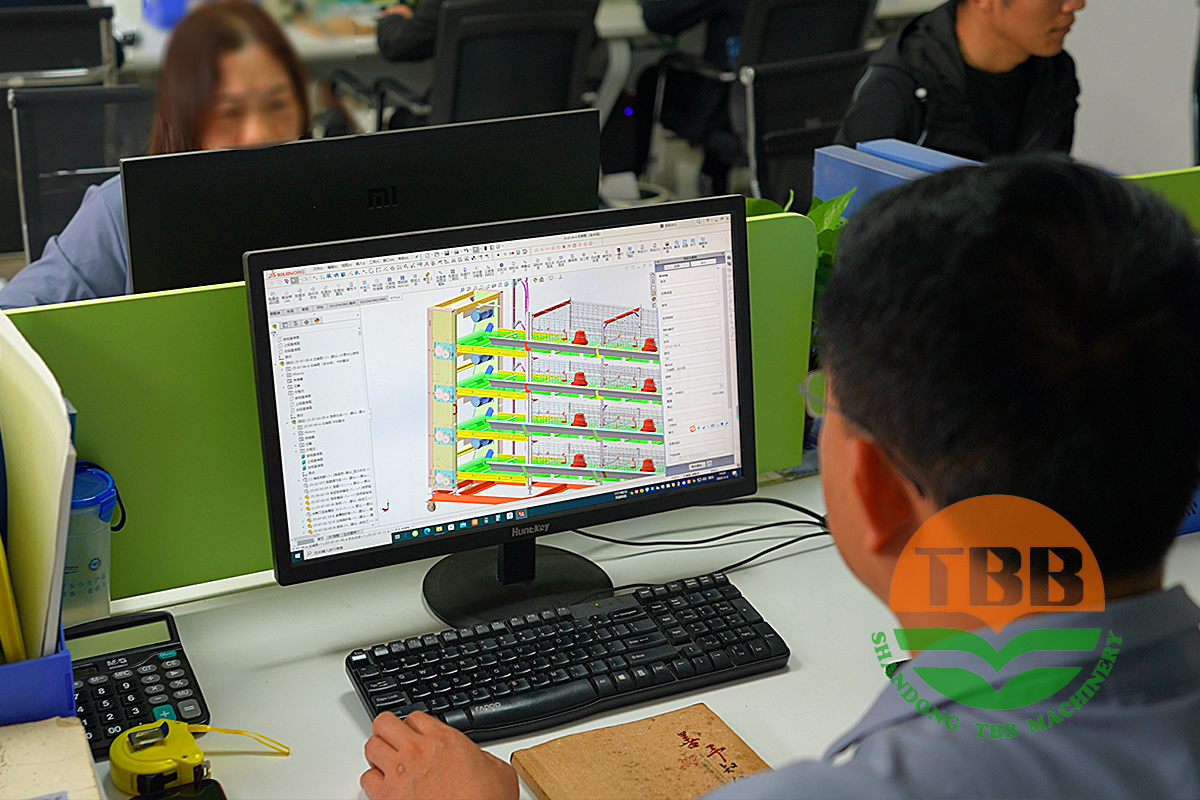
Poultry house design and equipment specification require specialized knowledge that generic metal fabricators rarely possess. During initial discussions, assess whether the supplier asks detailed questions about your climate conditions, target flock density, and intended production cycle. Do they inquire about your local feed characteristics, water quality, or regional disease pressure? These questions indicate practical experience with poultry farm automation in diverse global contexts.
Examine their approach to system integration. Modern commercial layer operations depend on coordinated function between cage structures, automatic feeding systems, egg collection conveyors, manure removal equipment, and environmental control technology. A qualified supplier should demonstrate understanding of how these subsystems interact and offer customized configurations rather than one-size-fits-all packages. Request case studies or reference installations with similar scale and climate conditions to your project.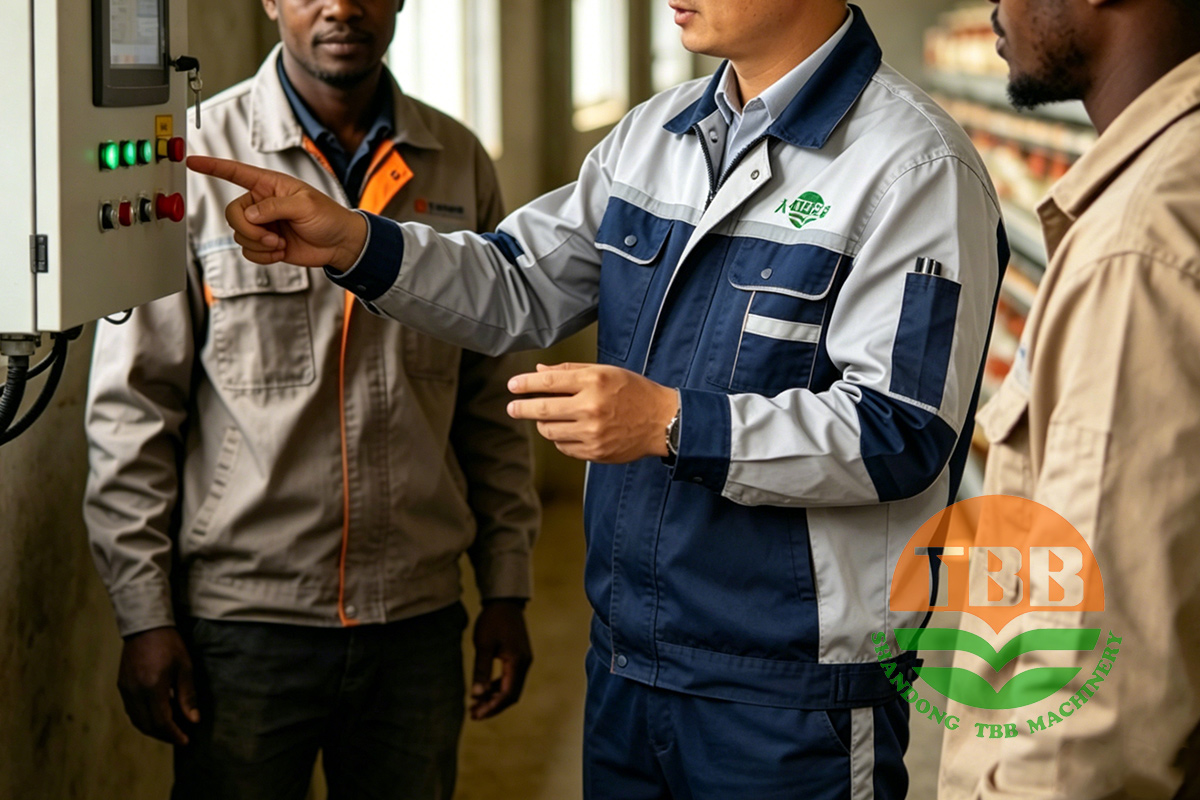
Assess After-Sales Support Infrastructure
Equipment installation represents only the beginning of the supplier relationship. For automated poultry farm systems operating continuously in demanding conditions, technical support availability directly impacts productivity and mortality rates. Before committing, clarify the supplier's service capabilities in your region. Do they maintain spare parts inventory accessible to your location? Can they provide installation supervision or remote troubleshooting support? What is their documented response time for critical component failures?
The most dependable Chinese poultry equipment exporters have developed structured after-sales programs including video documentation, multilingual technical manuals, and dedicated support channels. Some maintain regional service partnerships or have established demonstration facilities where your team can observe equipment operation before purchase. These investments in customer success indicate long-term business orientation rather than transactional commodity selling.
Verify Credentials and Track Record
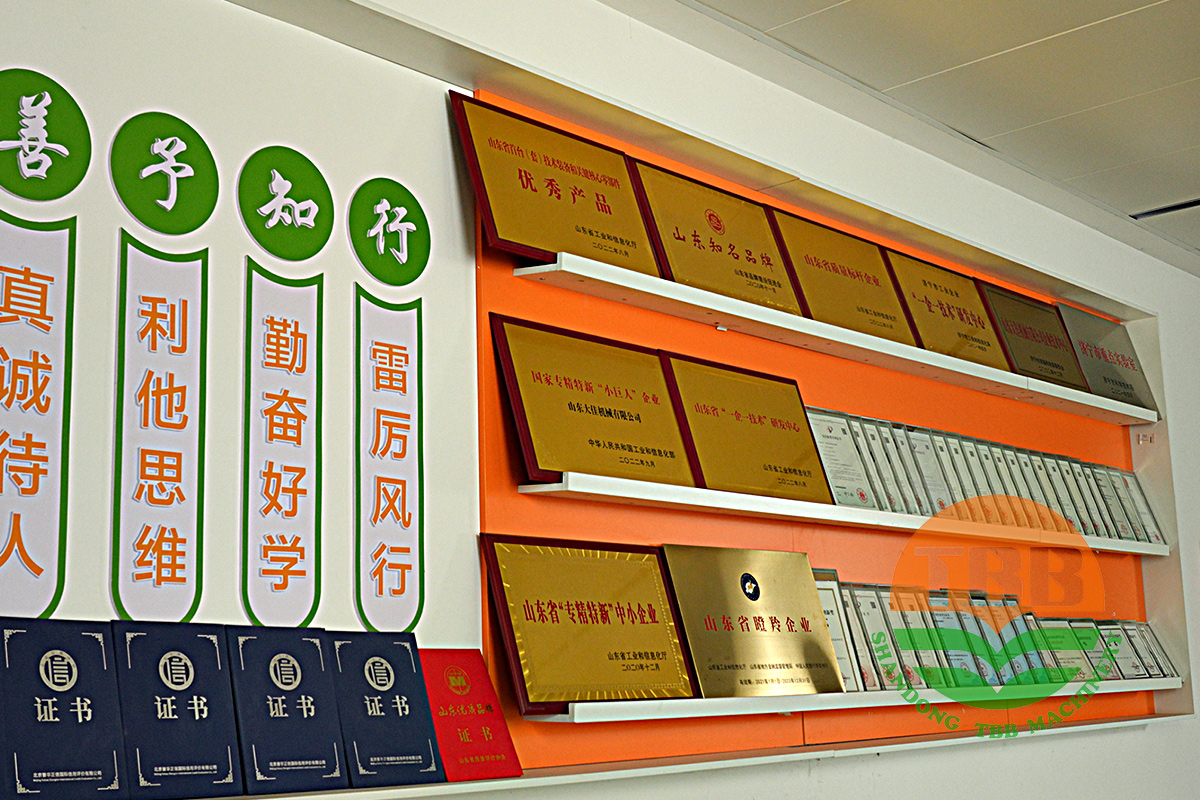
Legitimate manufacturers should readily provide business registration documentation, quality management certifications, and intellectual property portfolios. Look for ISO 9001 quality system certification at minimum, with additional credentials such as CE marking for European market equipment or relevant agricultural machinery certifications for your destination country. Patent registrations indicate active investment in product development rather than simple replication of existing designs.
Export experience matters significantly. Suppliers with established track records serving multiple international markets have already navigated shipping logistics, customs documentation, and voltage or regulatory adaptations that first-time exporters may mishandle. Request a client reference list with contactable farm operators in regions similar to yours. Speaking directly with existing users about their experience with delivery timelines, installation support, and equipment durability provides invaluable insight that marketing materials cannot replicate.
Making the Final Decision
Suppliers with established export records to diverse markets-such as those serving operations across Indonesia, Tajikistan, Nigeria, and similar regions-typically demonstrate the logistical and technical adaptability required for successful international projects. Look for manufacturers who maintain in-house galvanizing facilities, precision welding capabilities, and registered intellectual property portfolios, as these indicate genuine production depth rather than trading operations.
Contact us to discuss your project requirements. Our technical team prepares customized equipment proposals within 24 hours.