



News
Iraq's Layer Cage Import Market 2026: Tariffs, Logistics, and Margins
Source: TBBView: 121Iraq's Layer Cage Import Market 2026: Tariffs, Logistics, and Margins
Iraq's egg sector is entering 2026 with more momentum than most regional markets expected. Domestic demand sits near seven billion table eggs a year, and Baghdad's ongoing import restrictions on competing poultry products—including a recent freeze on frozen chicken—have tilted the playing field firmly toward local producers. For roughly 500 layer farms in federal Iraq, alongside some 1,840 poultry operations across the Kurdistan Region, that protection means one thing: capacity must expand, and expansion starts with cages.
For equipment importers, the question is no longer whether to buy layer cages, but how to land them cheaply and compliantly. This piece breaks down the three variables that decide your margin on a container of battery cages or automatic layer cage systems bound for Iraq: the 2026 tariff schedule, the Umm Qasr logistics chain, and the hidden cost of a cage that does not fit your house.
▶ Tariffs under Cabinet Decision No. 957
Iraq rolled out a revised customs framework in early 2026 under Cabinet Decision No. 957, replacing patchwork border rates with a single, electronically cleared schedule of about 16,400 tariff lines. Most agricultural and industrial equipment—including galvanized layer cage frames, cage accessories, and automatic feeding lines—is generally cleared under machinery classifications (primarily HS Code 84362900) rather than as finished consumer goods, which keeps the base duty rate in the 0%–5% range.
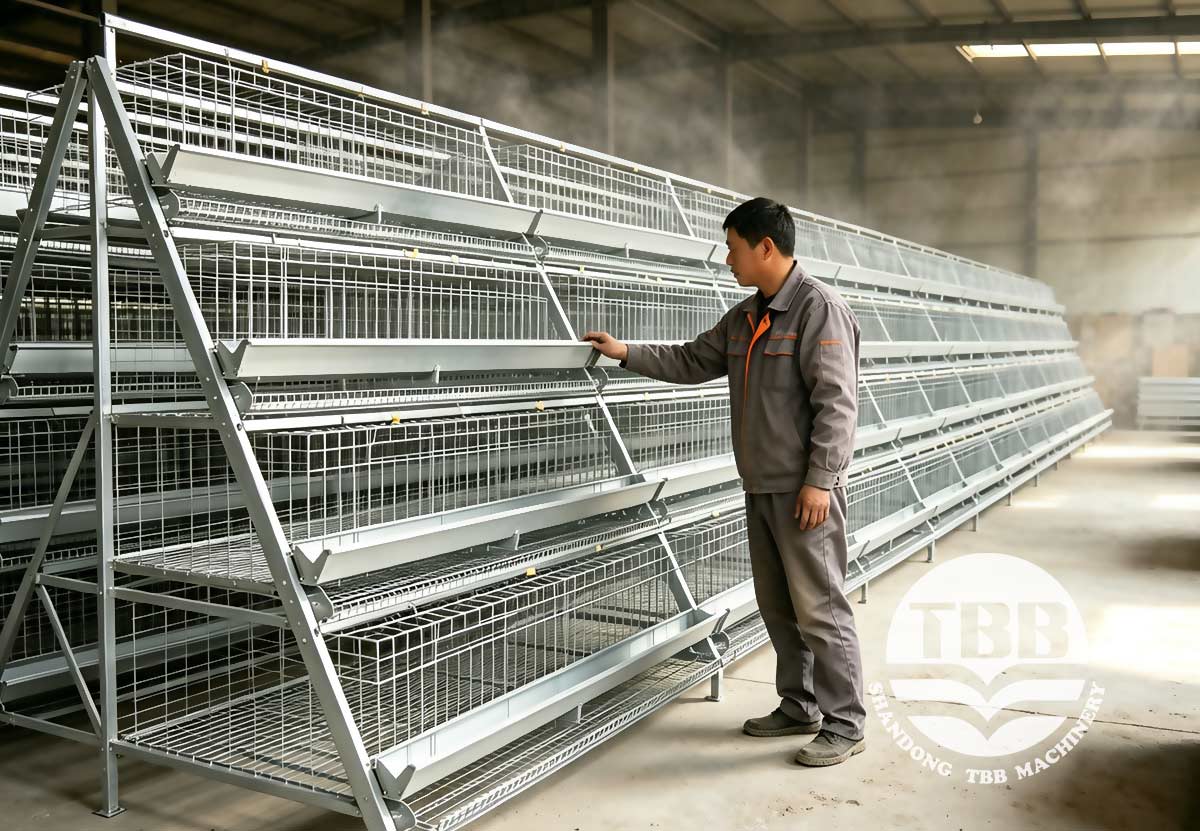
That is good news for any Chinese layer cage supplier shipping to Iraq.
The catch is VAT. While essential foodstuffs stay at 0%, many equipment categories carry a 15% VAT on the post-duty customs value. A poultry cage import duty in Iraq may look tiny on paper, yet the full landed cost—freight, marine insurance, port handling at Umm Qasr, clearance broker fees, and domestic trucking to Baghdad or Erbil—commonly adds 30%–50% on top of the ex-works price. Importers who quote only the FOB number are the ones who run out of margin before the first bird enters the house. To get a realistic landed cost calculation for Iraq, you must factor in every line item from the Chinese factory gate to your farm's concrete floor.
▶ The Umm Qasr route and clearance realities
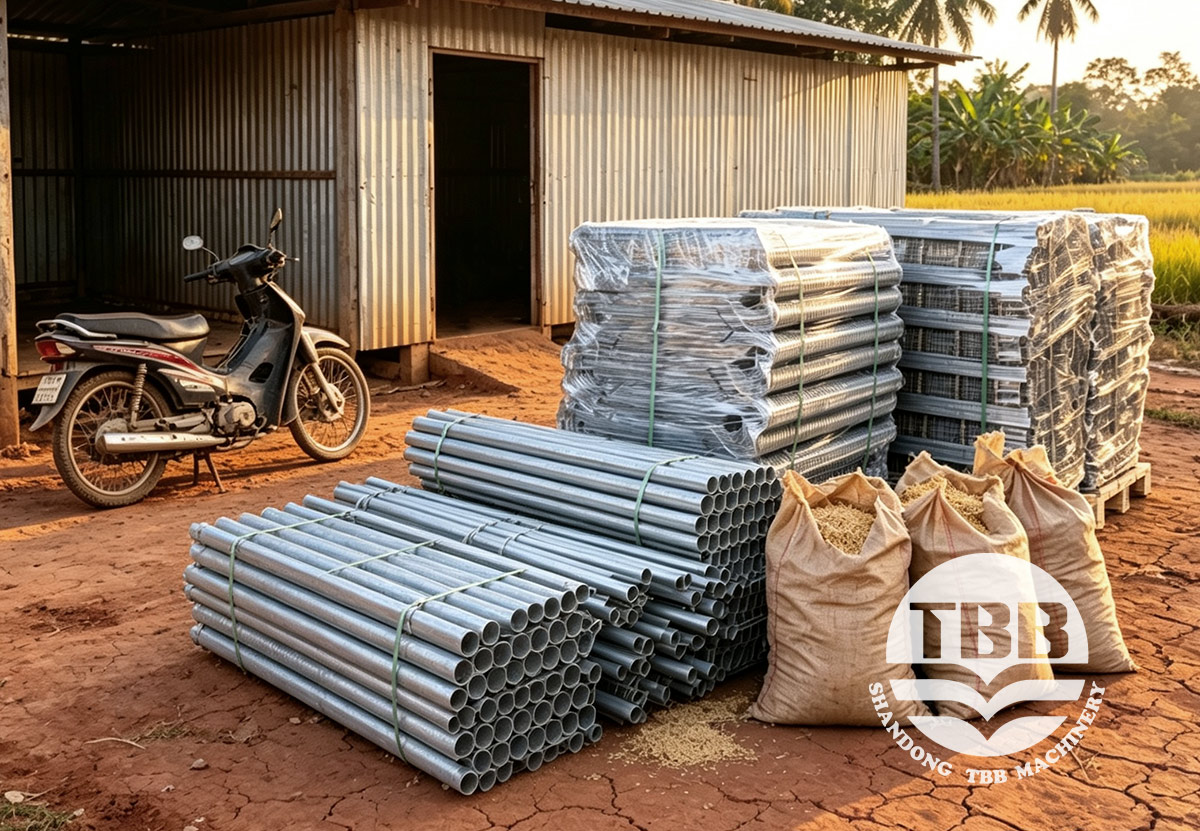
Almost every sea container from a Chinese layer cage factory follows the same path: Ningbo or Shanghai, through the Malacca Strait and Suez, into the Arabian Gulf, and finally to Umm Qasr Port.
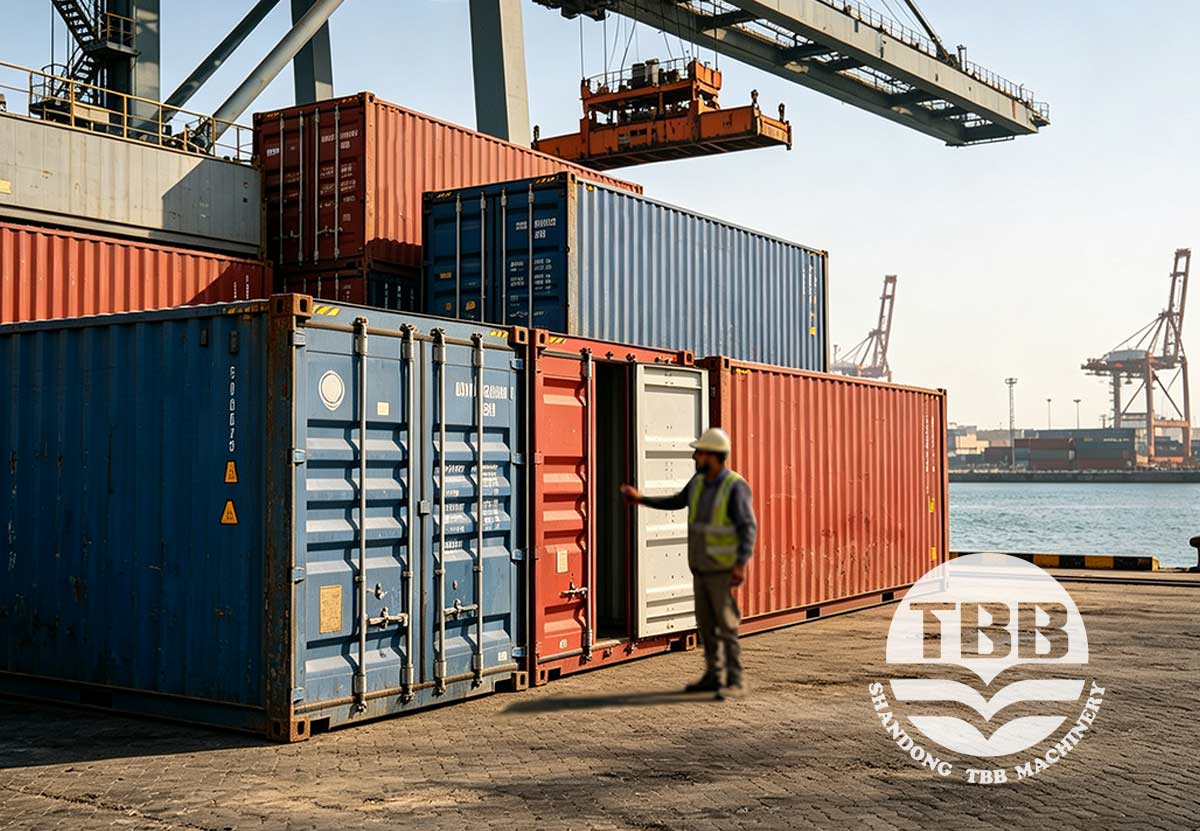
Transit runs 25–35 days, and the real risk is not the ocean—it is the paperwork. Iraq's new ASYCUDA system demands electronic pre-arrival submission: a commercial invoice at true value, a packing list, a certificate of origin stamped by the Chinese Chamber of Commerce and authenticated by an Iraqi consulate, plus a quality certificate for any coated or galvanized steel.
A mismatch between the importer's registered name and the invoice, or a reassessed customs valuation, can stall a container for weeks—we have seen Umm Qasr clearance delays stretch beyond 20 days for first-time shippers. The practical fix most Iraqi buyers use is a clearance broker who tracks the shipment from the Chinese port and submits documents before the vessel arrives. Done right, clearance drops from the typical three weeks to about seven days.

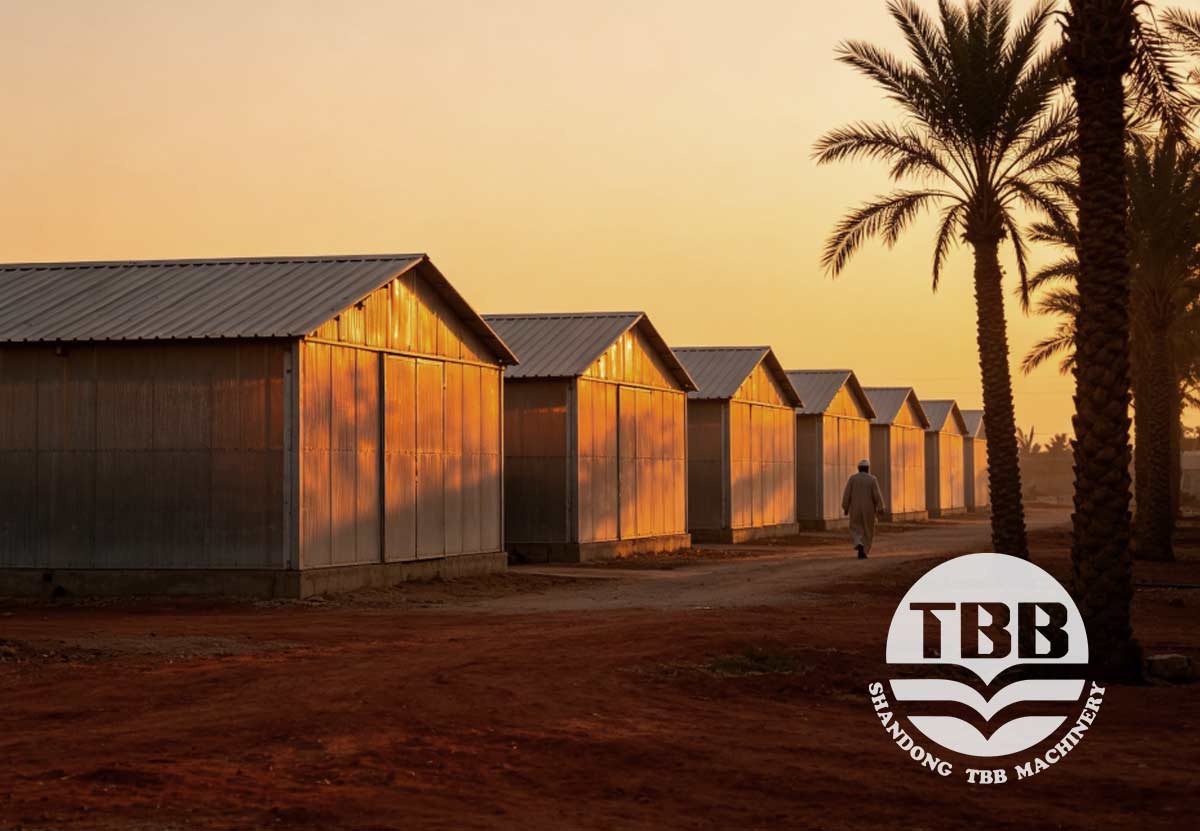
One footnote for the north: the Kurdistan Region runs its own clearance procedures, and many buyers route cages through Turkey or the Ibrahim Khalil crossing to avoid federal port congestion. If your house is in Erbil or Sulaymaniyah, factor that alternative lane into both cost and lead time when you price a layer cage import to Iraqi Kurdistan. It may add trucking miles but can cut total door-to-door time by nearly a week during peak congestion at Basra. For an Iraq Kurdistan layer cage import, the Erbil and Sulaymaniyah lanes reward buyers who size a galvanized battery cage to local house dimensions instead of accepting a catalogue default—and a layer cage supplier Sulaymaniyah or Erbil teams up with usually knows the crossing paperwork cold.
▶ Where the margin actually hides
Tariff and freight are visible. What eats a layer farm's profit is quieter. Feed already accounts for roughly 70% of production cost in Iraq, and feed prices climbed 30%–40% through 2025 on currency pressure and disrupted feed imports. On top of that, a cage specified wrong—wrong row length, wrong tier count, wrong walkway width—forces on-site cutting that wastes steel and labor, and a light-gauge frame corrodes faster in house humidity and has to be replaced early. Those are the costs that never appear on a supplier's quotation.
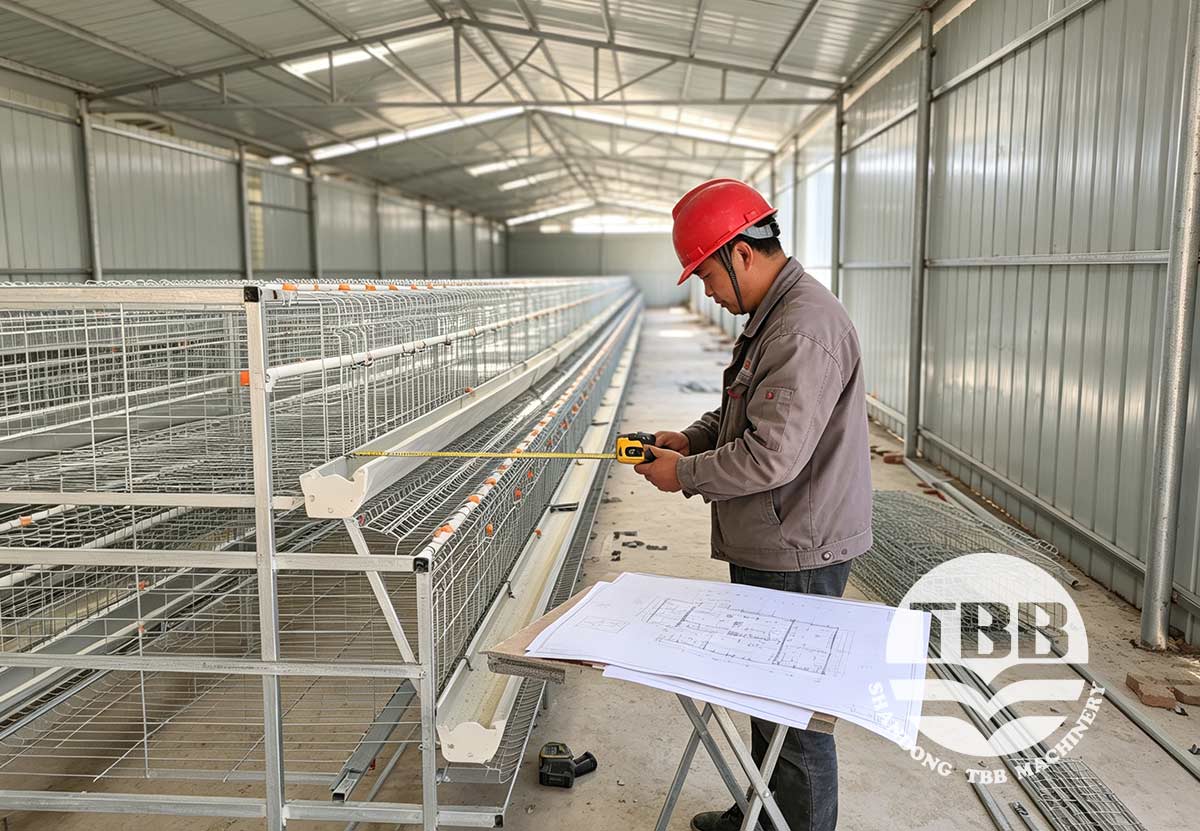
A worked example makes it concrete. Take a 20,000-bird house at a realistic ≈290 eggs per hen a year: that is about 5.8 million eggs annually. Even at a conservative $0.15 farm-gate price per egg, revenue lands near $870,000 a year, and feed takes roughly 70% of that before chicks, labor, and power. Now assume a properly galvanized, correctly sized cage trims feed wastage by 5% and holds mortality two points lower. Five percent of the feed bill returns about $30,000 a year to the bottom line; two points of mortality on 20,000 birds keeps roughly 400 more hens in lay, worth several thousand dollars in eggs. Against a cage investment that typically runs 8%–12% of total house cost, that payback shows up inside the first year—provided the cage actually fits the building and the birds. That is the real return on investment for cage systems in Iraq, and it far outweighs a few percentage points of tariff difference.
▶ Buying smart in 2026
The Iraq layer cage import market in 2026 rewards buyers who treat the purchase as a landed-cost problem, not a unit-price one. Confirm the HS classification early, budget for the 15% VAT where it applies, lock a broker before the container sails, and specify the cage to the house rather than accepting a catalogue default. A supplier who handles knock-down packing, marks every carton to your layout, and ships flat to your gate removes most of the risk that turns a good quote into a late, expensive delivery. Also, pay close attention to the galvanization thickness and weld quality—cheaper cages may save you $2,000 upfront but cost you three times that in early rust replacement under Iraq's humid coastal and riverine conditions.
▶ Your next step
If you are scoping a layer house this year, talk to us before you commit to a quotation. We will size the cage to your building, confirm the documentation your broker needs, and provide a full landed-cost breakdown that includes every customs line item and logistics contingency.
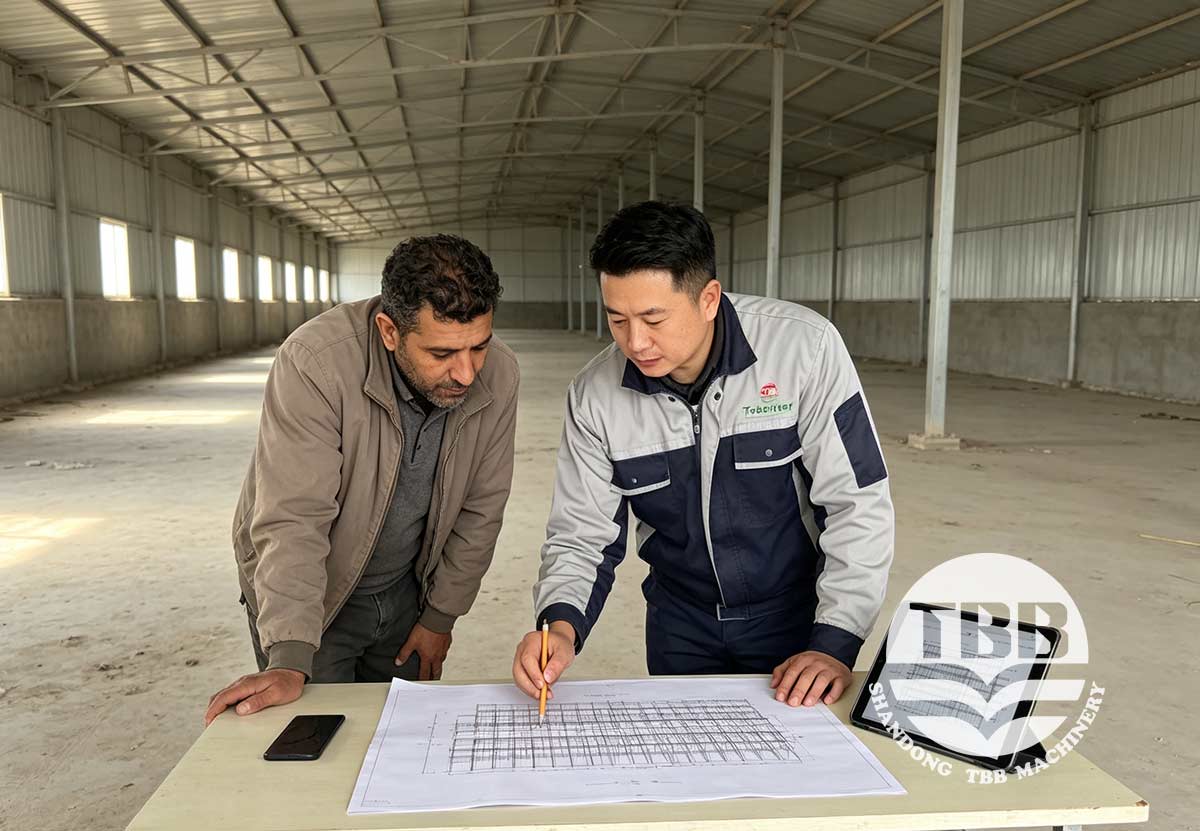
Better yet, we are running a special import-support package for 2026: for qualifying orders placed this year, we will cover the first container's customs clearance coordination fee and include complimentary on-site installation supervision for your first house.
That support package is built for Iraqi buyers who want to protect their margins while the current protective policy window stays open. Contact us today—we will give you this year's best price, tailored to your exact farm layout and shipping schedule. Don't leave your poultry expansion to chance; let's build it together, one correctly specified cage at a time.