




News
Essential Guidelines for Chick Beak Trimming (7-10 Days Old)
Source: TBBView: 137Essential Guidelines for Chick Beak Trimming (7-10 Days Old)
Beak trimming is a vital management practice in modern poultry farming, essential for both layer and broiler chicks. Performing this task correctly helps prevent damaging behaviors such as feather pecking and cannibalism, while also significantly reducing feed waste. When executed accurately at 7-10 days old, the procedure causes minimal stress and lays the foundation for long-term flock harmony. For farmers utilizing high-density housing, such as an automatic broiler cage system for commercial farms or a layer battery cage with automatic egg collection, proper beak treatment is even more critical to maintain peace in a confined environment.
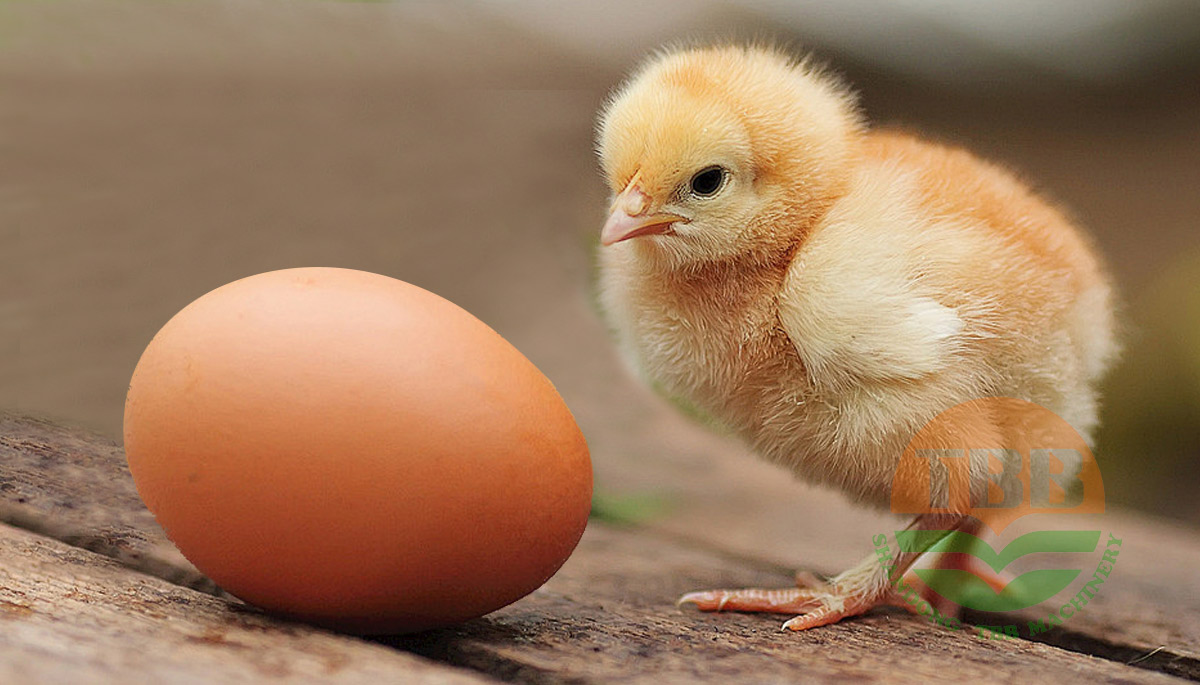
To ensure safe and effective results, follow these professional guidelines:
1. Prepare the Chicks and Equipment
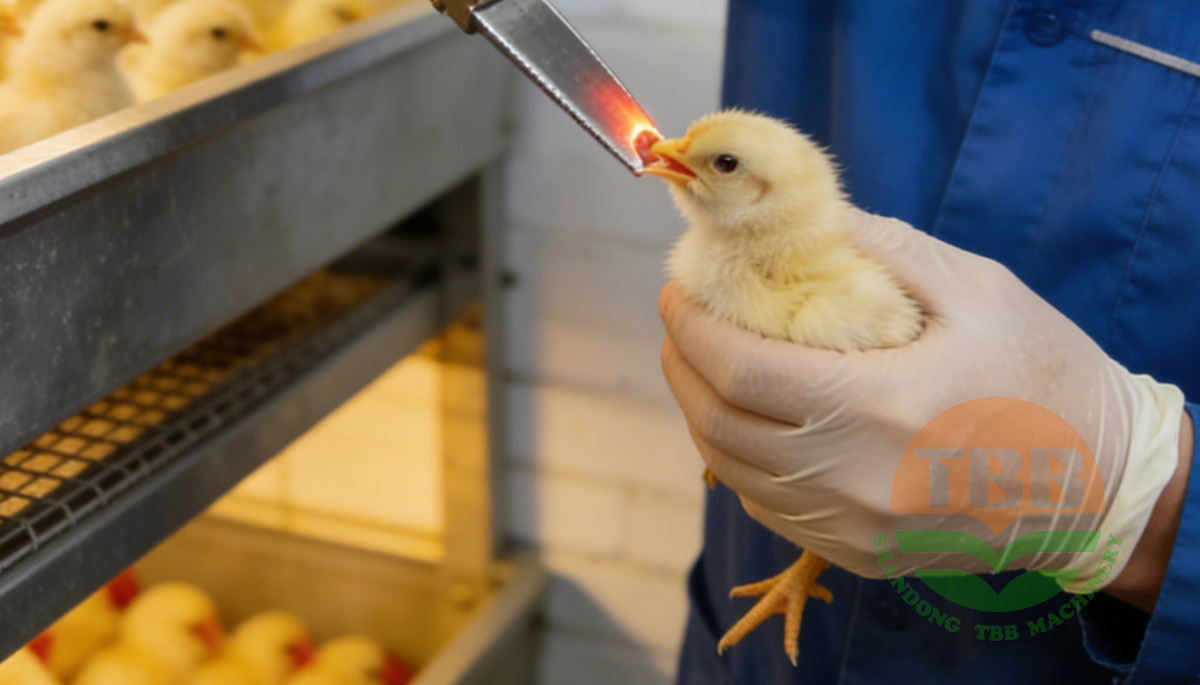
Begin by fasting the chicks for 4-6 hours prior to trimming; this reduces the risk of bleeding and minimizes digestive stress during handling. Always use professional-grade tools, such as hot-blade or infrared trimmers, which are synonymous with high-quality automatic equipment for broiler farms. Ensure all equipment is thoroughly cleaned and disinfected. If you are using a hot-blade trimmer, adjust the temperature to precisely 600-700°C. This intense heat guarantees a clean cut and instant cauterization to prevent bleeding. As a one-stop poultry equipment supplier, Shandong Tobetter Machinery offers precision tools designed for these critical procedures.
2. Execute the Trim Correctly
For chicks aged 7-10 days, the standard procedure involves trimming the upper beak to roughly one-third of its original length, while the lower beak should be cut slightly shorter to prevent over-trimming. The cut should be made at a 45-degree angle; this specific angle prevents the beak from growing back irregularly or developing sharp edges. Hold the chick gently but firmly, ensuring you avoid pressing on its throat or chest to prevent suffocation. Proper technique here reduces stress and promotes faster healing, which is essential for maintaining high poultry equipment to increase survival rate standards.
3. Post-Trim Care and Monitoring
Post-trim care is critical for recovery. Immediately after the procedure, provide clean, fresh drinking water supplemented with electrolytes and vitamins for 3-5 days. To accommodate the chicks' sensitive beaks, ensure the feed is soft and easily accessible; you may need to adjust feeder heights slightly to avoid pain while eating. The design of modern housing, like a space-saving multi-layer chicken cage, often allows for easy adjustments to feeder and drinker lines to aid in this recovery phase.
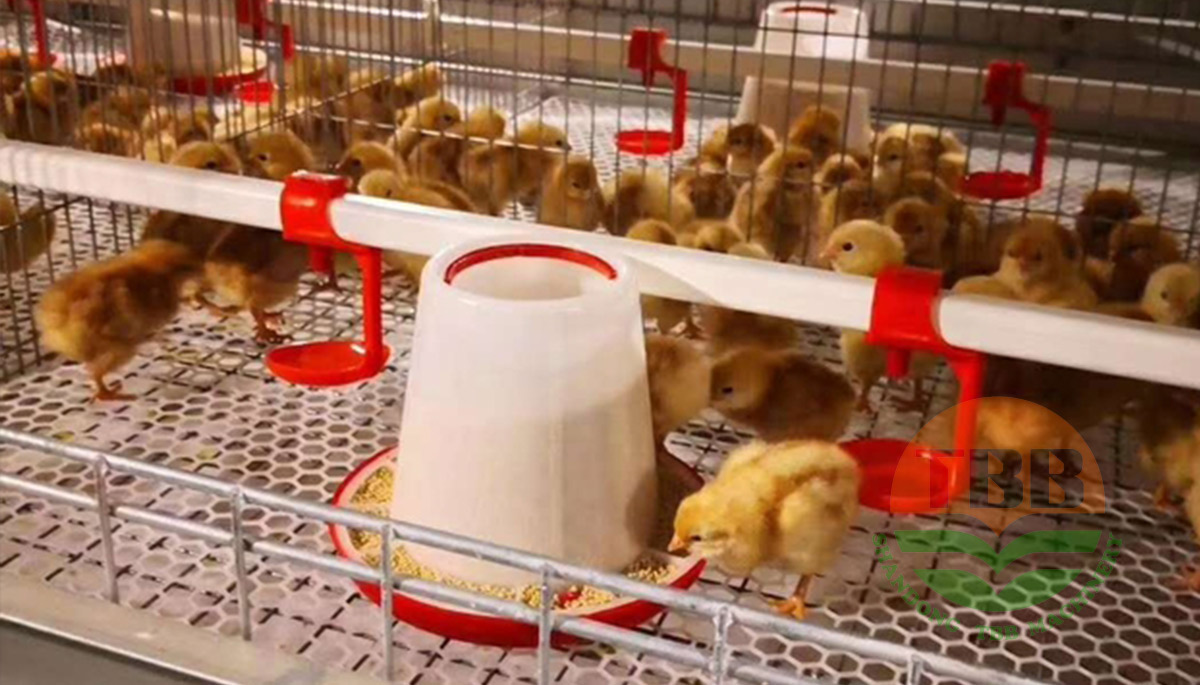
Monitor the flock closely for any signs of bleeding, infection, or difficulty accessing food and water. If issues arise, isolate and treat affected chicks immediately to prevent complications. With proper management and reliable equipment from trusted suppliers, these challenges can be minimized.
For professional results and peace of mind, partner with Shandong Tobetter Machinery. We provide durable solutions and 24/7 after-sales support for poultry equipment, ensuring your farm operates smoothly from hatch to harvest. Whether you are upgrading your housing or seeking expert advice, our goal is to help you achieve optimal flock health and productivity.