



News
Optimizing Profitability: A Comprehensive Guide to Improving Feed Conversion Ratio (FCR) in Broiler Production
Source: TBBView: 70Optimizing Profitability: A Comprehensive Guide to Improving Feed Conversion Ratio (FCR) in Broiler Production
In modern broiler production, feed accounts for 60-70% of total operating costs, making efficiency the cornerstone of profitability. The most critical measure of this efficiency is the Feed Conversion Ratio (FCR). A lower FCR signifies that less feed is required to produce one kilogram of live weight, directly boosting profit margins. For a standard 42–45 day cycle, achieving an FCR between 1.8:1 and 1.95:1 is a key indicator of superior farm management. This guide details a strategic, integrated approach to optimizing FCR through precision nutrition, impeccable feed and farm management, and advanced housing systems, such as the automated poultry house cage system.
1. Precision Nutrition: The Foundation of Efficient Growth
Broilers' nutritional needs evolve rapidly. A phased feeding program with scientifically formulated diets is essential for optimal FCR.
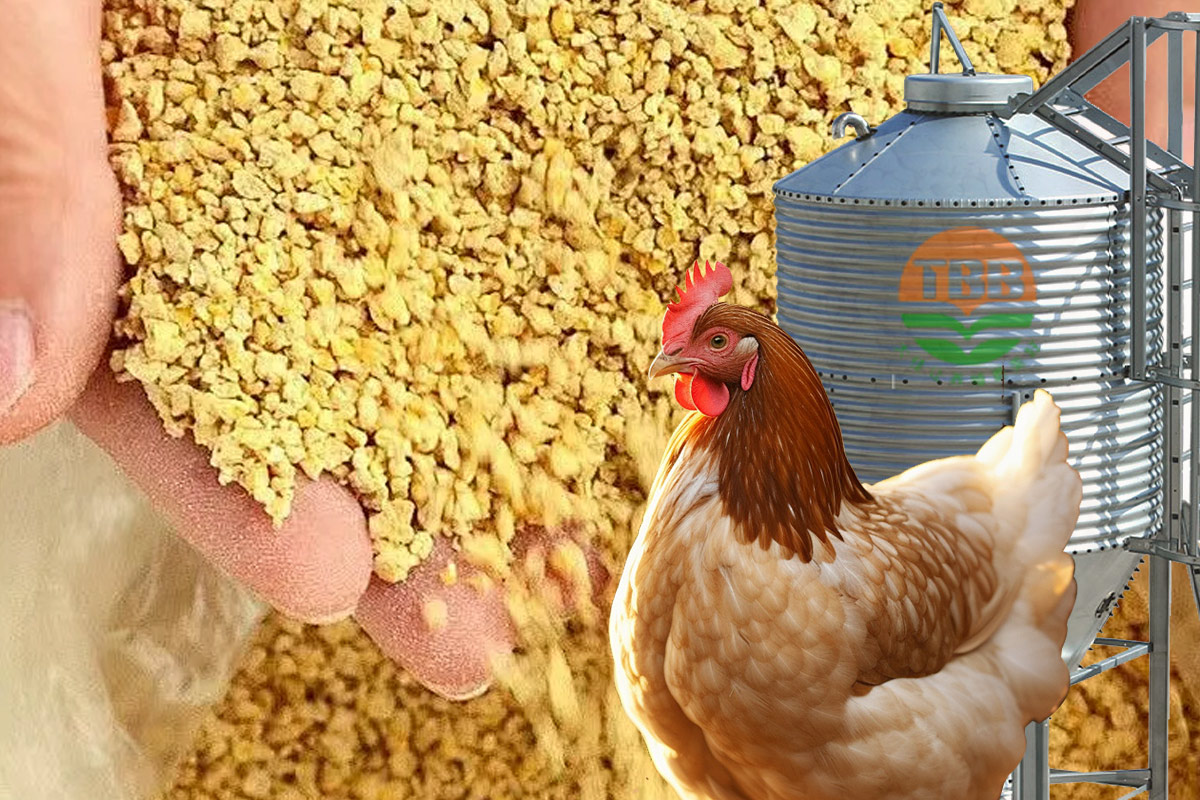
——Starter Phase (Days 0–21): This phase is crucial for digestive and immune system development. Feed must be highly digestible with a crude protein level of 20–22%. The physical form is equally vital; fine crumbles (2–3 mm) encourage early intake and improve accessibility.
——Grower Phase (Days 22–35): During this period of rapid skeletal and muscle growth, the diet should sustain momentum without excess. A crude protein level of 18–20%, balanced with critical amino acids like lysine and methionine, is fundamental.
——Finisher Phase (Days 36 to Market): The focus shifts to final weight gain and feed efficiency. Diets here typically contain 16–18% crude protein but higher energy density. The inclusion of high-energy ingredients like corn or soybean oil meets metabolic demands for finish while promoting a favorable FCR.
TBB: Are you maximizing growth in each phase with precise nutrition? Our automated feeding systems within a full automatic poultry cage farming system deliver tailored, stage-specific feed with zero waste directly to the bird, ensuring every gram of nutrition counts.
2.Feed Quality and Hygiene: Protecting Your Investment
The best formulation loses value through poor handling. Rigorous feed quality control is a direct investment in FCR.
——Storage: Store feed in a cool, dry, and well-ventilated environment. Moisture causes caking, nutrient loss, and mold. Facilities must be sealed against rodents and pests.
——Contamination Prevention: Mycotoxins from mold are silent profit killers, impairing liver function and immunity while destroying nutrient absorption. Discard any suspect feed immediately.
——Feeder Management: Clean feeders regularly to prevent buildup of stale, unpalatable, or contaminated feed, which birds avoid, leading to significant waste.
3.Strategic Feeding Management: Maximizing Intake & Uniformity
How feed is presented is as important as its composition. Intelligent practices ensure every bird thrives.
——Schedule & Frequency: A consistent schedule of 4–6 meals daily mimics natural behavior, stimulating appetite and improving gut health. Offering only what the flock consumes in 30–40 minutes per feeding maintains freshness and prevents selective eating.
——Feeder Space & Adjustment: Overcrowding causes competition, stress, and uneven growth—all detrimental to flock-wide FCR. Feeder space must be meticulously adjusted as birds grow. In a modern poultry cage with feeding, drinking, manure, egg collection, adjustable feeder lines ensure every bird in H-Type 3–5 Tier Broiler Caging Equipment has equal, stress-free access without spillage.
4. Beyond Feed: The Integrated System Approach
FCR is a whole-farm outcome. These supporting factors are crucial:
——Water Quality & Availability: Clean, cool water is essential for digestion and metabolism. Any deprivation instantly reduces feed intake and worsens FCR.
——Bird Health & Biosecurity: Subclinical diseases or parasites divert nutrients from growth to immune response. A robust health program is foundational.
——Environmental Comfort: Birds under thermal stress (heat or cold) expend energy on regulation, not growth. Optimal temperature, ventilation, and air quality are powerful drivers of feed efficiency. An automated poultry house cage system with integrated climate control is key to maintaining this perfect environment consistently.
Conclusion: The Path to Management Excellence & Superior FCR
Improving FCR requires the consistent execution of multiple best practices in nutrition, management, and health—viewing every kilogram of feed as a strategic investment. Ultimately, precision in these areas transforms feed efficiency into enhanced profitability and operational sustainability.
TBB: Ready to Systemize Your Success? Achieving and maintaining a superior FCR consistently is the true challenge. This is where integrated automation becomes indispensable. Imagine a full automatic poultry cage farming system that delivers precise nutrition on schedule, provides optimal water and environment, and minimizes stress through designs like H-Type 3–4 Tier Stacked Back-to-Back Broiler Cage. Such a system turns these best practices into automated, data-driven results.
Discover how our tailored automation solutions can help you lock in your target FCR and transform efficiency from a goal into a guaranteed outcome. Contact us for a free, customized efficiency plan today.